
Last updated November 25, 2026
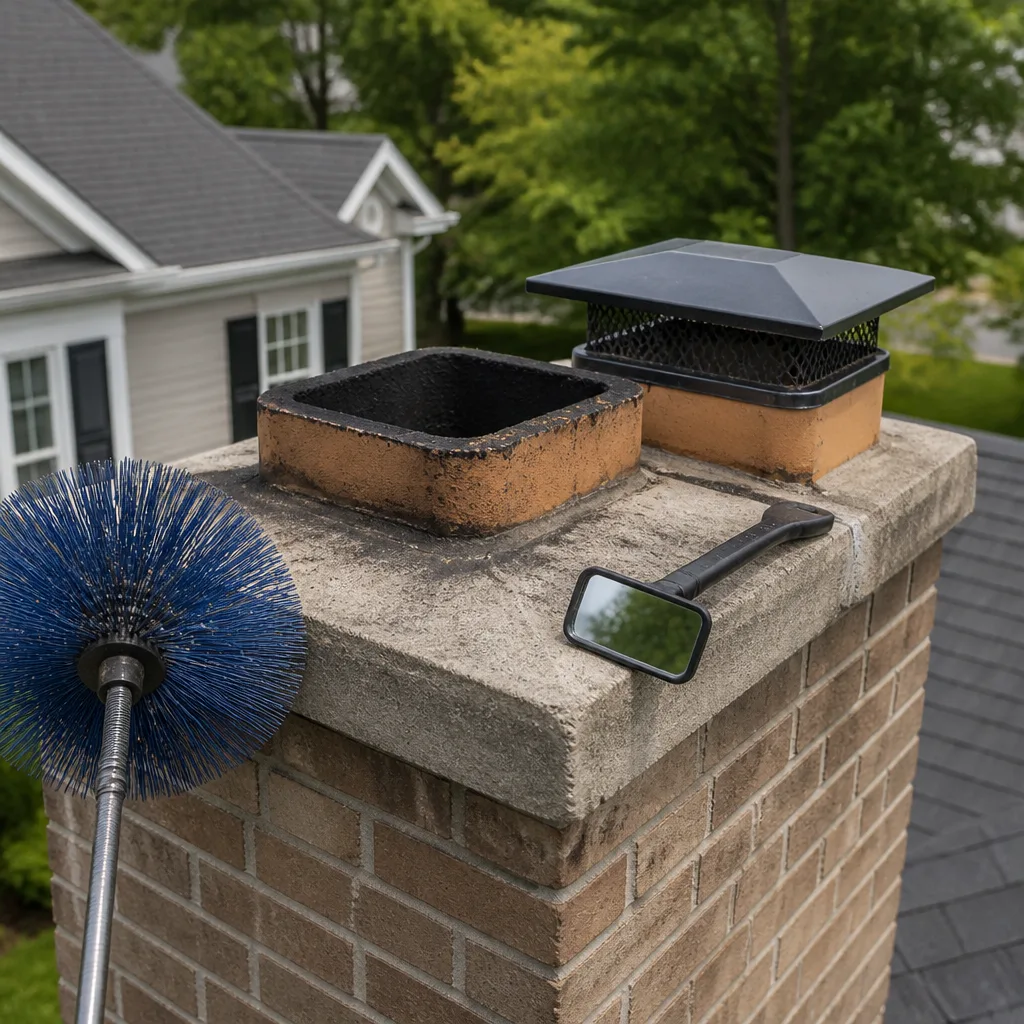 Sweep & inspection
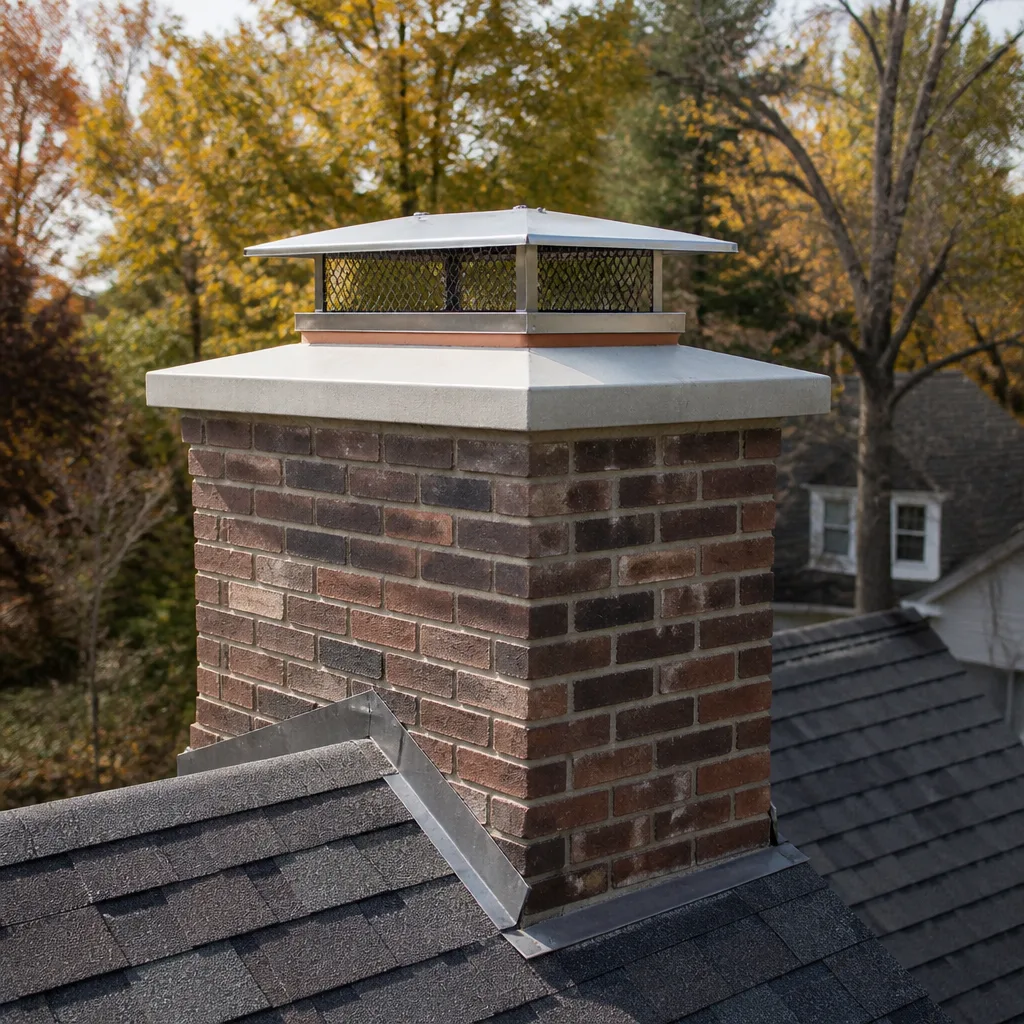 Caps & crowns
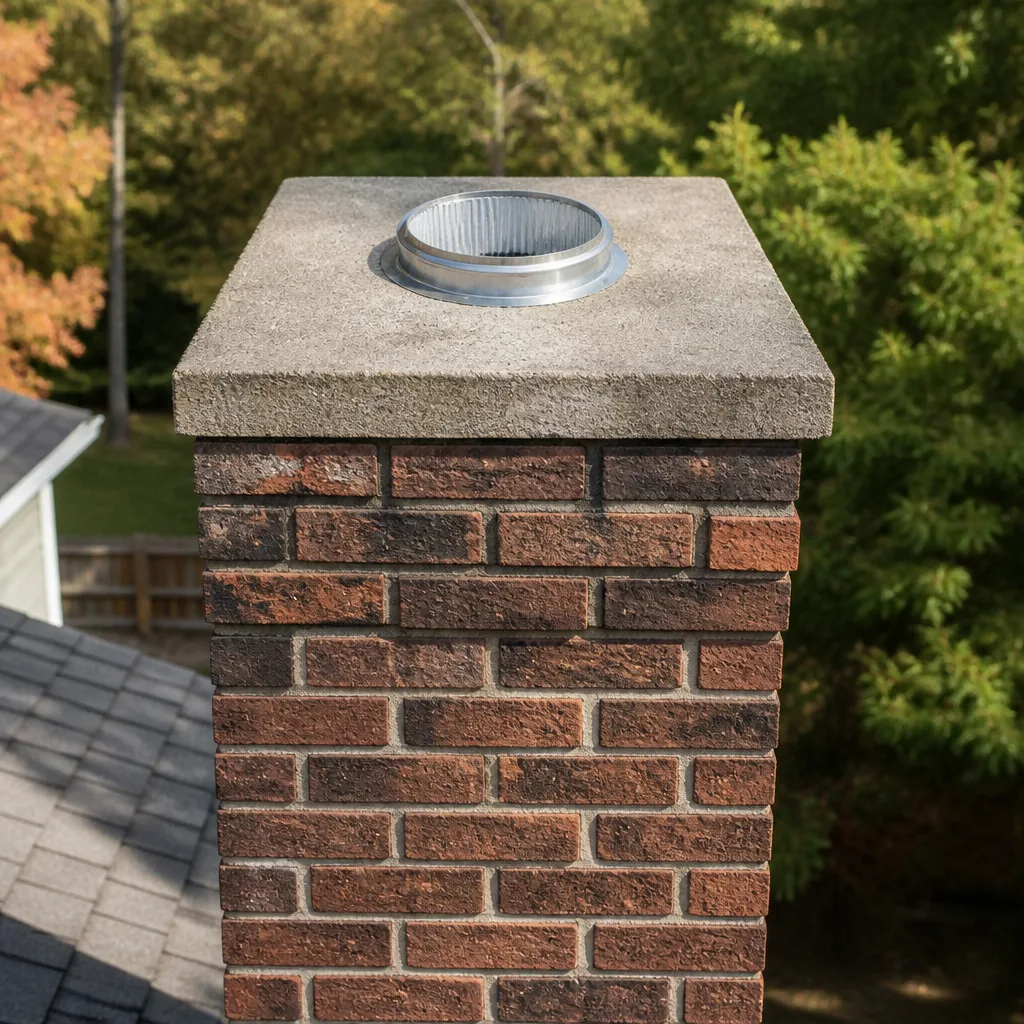 Flue relining
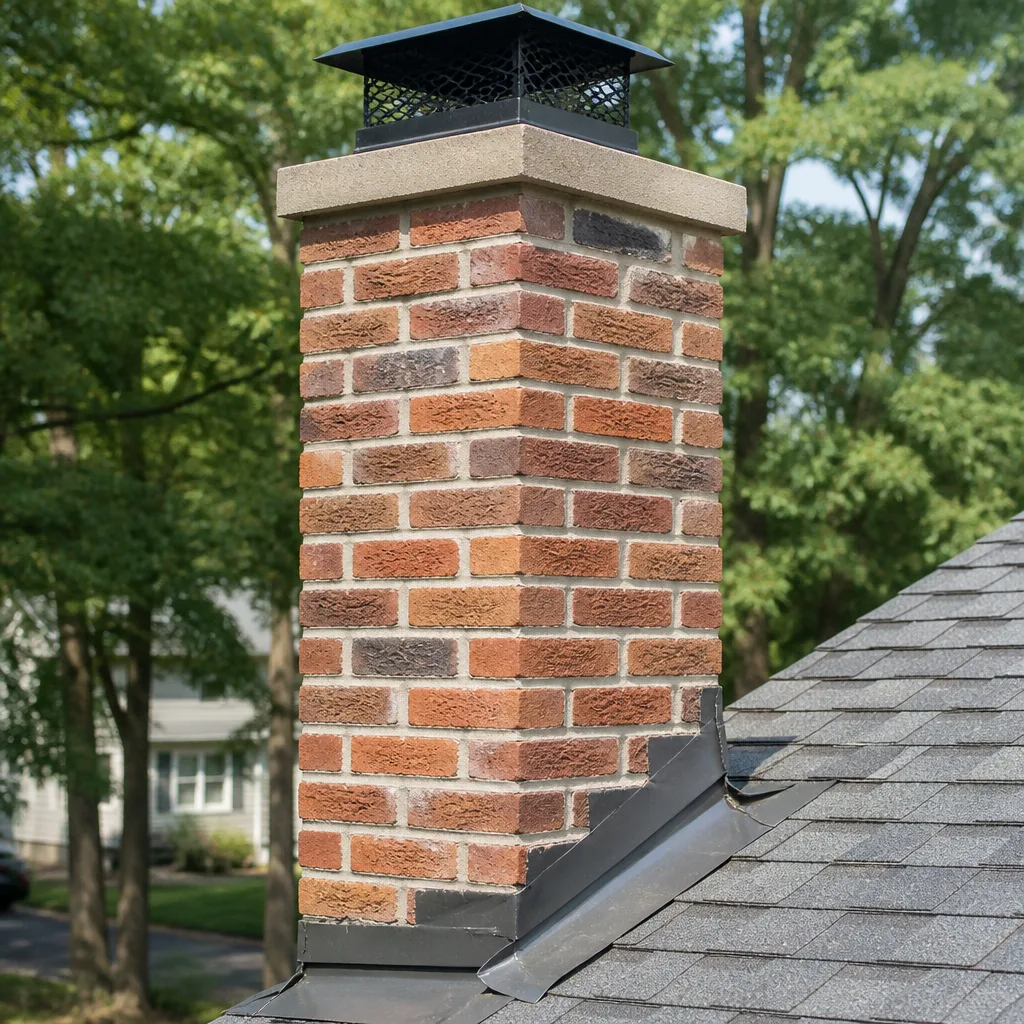 Masonry repair
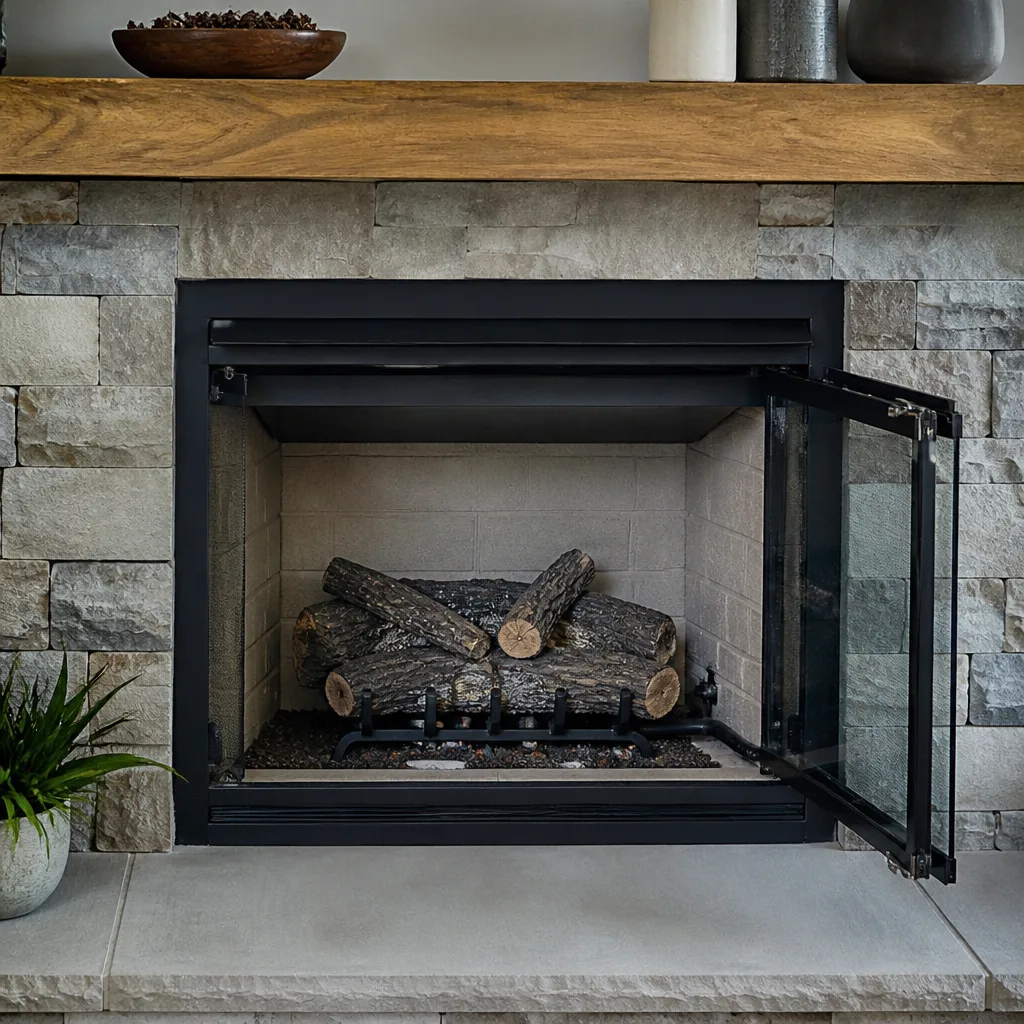 Gas fireplace service
Level 1 sweep and inspection to the NFPA 211 annual standard - flue, crown, cap, and flashing checked and photographed
Chimney sweep logs do not sweep chimneys. They loosen some creosote - which then falls where a brush and vacuum still have to collect it.
Seasonal Chimney Cleaning Care for La Habra: Year-Round Homeowner’s Guide
The advice to schedule your chimney cleaning before the heating season was written for places with real winters, not for La Habra. Here, the fireplace runs a few months at most, and the most damaging chimney events happen in the off-season, when nothing is burning at all. Santa Ana winds, spring nesting, and summer moisture do more harm to a neglected flue than a winter of steady use ever will. This guide lays out a year-round care calendar built for La Habra’s actual climate: when to sweep, when to inspect, what to check between visits, and why the standard fall reminder misses the real risk windows.
Quick Answer
In La Habra, the best chimney care follows a year-round calendar rather than a single fall sweep. Book a professional inspection in early spring after nesting season and again in early fall before Santa Ana wind events and the first fires. Between visits, watch the cap, crown, and firebox for moisture or animal activity. A sweep is scheduled per job, with a flat price agreed before booking, camera inspection and a photo report included.
Styles & brands we work with
- Sweep & inspection
- Caps & crowns
- Flue relining
- Masonry repair
- Gas fireplace service
Table of Contents
- Why Standard Fall Chimney Advice Doesn’t Fit La Habra
- Santa Ana Winds and Fall Backdraft Risk
- Spring Nesting Season: Birds, Rodents, and Blocked Flues
- Summer Moisture Intrusion Through Crowns and Caps
- The Optimal Service Timing Window for La Habra
- What to Observe Between Professional Visits
- Why Industry-Grade Materials Matter for Long-Term Chimney Health
- Common Mistakes to Avoid
Why Standard Fall Chimney Advice Doesn’t Fit La Habra
Most chimney care advice assumes four distinct seasons: a wet, cold winter, a slow spring thaw, a hot summer, then a cool fall when everyone lights the first fire. La Habra doesn’t work that way. Winters are mild, the heating season is short and interrupted, and the fireplace may sit idle for weeks between uses. The seasonal pressures that damage a chimney here are different from those in the Northeast or Midwest, so the care calendar has to be different too.
The real La Habra risk windows line up with three local patterns:
- Fall Santa Ana winds create pressure swings and backdraft conditions that test a chimney’s venting performance before the first fire of the season.
- Spring nesting season brings birds and rodents looking for sheltered cavities, and an uncapped flue is exactly that.
- Summer heat and dry conditions don’t stop moisture intrusion through a cracked crown or missing cap, because even a dry season has morning condensation and occasional humidity swings.
You’ll notice that none of these risks happen during the heating season. They happen when the fireplace is off, which is precisely when most homeowners stop thinking about their chimney. That’s the central point of this guide: in La Habra, off-season chimney care carries more weight than the fall sweep alone. Our technicians have up to 14 years of experience, and the pattern we see across La Habra is consistent: the chimneys that fail inspection are often the ones that sat untouched from April through October.
La Habra’s housing stock adds to the picture. Many homes here have older masonry chimneys that were built for a different era of fuel and appliance use. Those chimneys still vent today, sometimes for gas appliances, sometimes for wood, and their crowns and caps have spent decades in the local sun and dust. The structure doesn’t care whether you’re burning a fire; it weathers anyway. Understanding that distinction between the fireplace season and the chimney’s actual service life is the first step in year-round care. And it’s why a professional La Habra Chimney Sweep Pros visit covers more than just sweeping ash.
Santa Ana Winds and Fall Backdraft Risk
Santa Ana wind events are the most underrated chimney hazard in Southern California. These strong, dry, offshore winds can create negative pressure around a home, and a chimney that hasn’t been inspected after summer may not vent properly when those conditions hit. The result is backdraft: smoke pushed back down the flue and into the living space instead of up and out.
A backdrafting chimney is more than a smoky room. It means the venting system isn’t moving exhaust the way it should, and combustion gases can enter the home. That’s why fall inspection timing in La Habra matters more than a generic pre-winter sweep. Here’s how the fall window works:
- Inspect before the first Santa Ana event. A Level I or Level II inspection checks the flue for soot buildup, obstruction, and structural damage that interferes with draft.
- Check the cap. A damaged or missing cap lets debris in and can worsen pressure problems around the flue termination.
- Confirm the firebox and damper operate correctly. A damper that won’t open fully or close securely reduces control over draft.
- Test ventilation during the first cool evening. A small fire lets you observe whether smoke draws up cleanly or lingers.
If smoke rolls back into the room during a Santa Ana event, the safest move is to stop burning and have the chimney inspected before the next fire. A backdraft isn’t something to troubleshoot by trial and error. The chimney is a venting system, not just a fireplace feature, and a trained technician can trace the cause: a blocked flue, a damaged cap, a warped damper, or a liner that’s lost integrity. If the inspection turns up a damaged liner, a HeatShield restoration or a DuraFlex reline may be the right fix, and we identify it and fix it without handing the job to another contractor.
Spring Nesting Season: Birds, Rodents, and Blocked Flues
Spring is when a chimney in La Habra is most likely to become a nesting site. Birds and rodents look for warm, sheltered cavities, and an uncapped flue is an open invitation. A blocked flue is a serious problem waiting to happen: it can stop proper venting, and when fall arrives and someone lights a fire, the obstruction can push smoke and carbon monoxide back into the home.
The species most often associated with blocked flues in La Habra include:
- Birds that nest on the chimney crown or drop material down the flue.
- Rodents that climb into unprotected chimney cavities and bring nesting material with them.
- Squirrels that are drawn to the top of the chimney as a sturdy, warm shelter.
The right move is a post-nesting inspection, scheduled after the spring nesting window closes so nests aren’t disturbed mid-season. That inspection should confirm the flue is clear, the cap is intact, and no nesting material or animal remains are lodged inside. If you hear scratching, chirping, or fluttering from the chimney during spring, that’s the cue to book an inspection rather than wait until fall.
Prevention is straightforward. A properly fitted chimney cap with mesh screening blocks animals from entering while still allowing exhaust to vent. Cap and crown work is a dedicated service category for us because it addresses the #1 moisture entry point on any chimney and the most common animal entry point at the same time. When you book a chimney sweep in spring, ask for a cap check in the same visit. Inspected, cleaned, and protected in one visit is how we prefer to work, because a sweep that reveals an open flue and leaves it open hasn’t solved the problem.
Summer Moisture Intrusion Through Crowns and Caps
It’s tempting to think that a dry La Habra summer means no moisture risk to the chimney. It doesn’t. The crown, the concrete top of the chimney, and the cap are the first defense against water, and both take a beating from sun and heat over the years. A hairline crack in the crown lets water in during morning condensation, an occasional humid stretch, or a single rain event, and that water travels down the masonry.
The damage pattern from moisture intrusion usually looks like this:
- Cracked or spalling crown. Water gets behind the concrete and freezes or cycles in a way that widens cracks over time, letting more water in.
- Missing or loose cap. Without a cap, rain and debris enter the flue directly.
- Deteriorated mortar joints. Moisture in the masonry erodes mortar, and the chimney shell weakens.
- Saturated refractory or firebox material. Interior damage from long-term moisture can eventually call for a fireplace repair rather than a cleaning.
This is why cap and crown work is one of our five core services. A sweep-only company cleans the flue and leaves the top of the chimney alone, but the top is where moisture problems begin. Repairing or replacing a crown and fitting a proper cap is a moisture-prevention measure, not a cosmetic detail. When we inspect a chimney, we look at the crown the same way we look at the flue: as a structural component that determines how the system behaves for years.
The materials matter here. We work with recognized industry-grade products rather than generic hardware-store substitutes, including Famco caps and Gelco crown repair materials. That’s not a brand-name flourish; it’s a performance standard. A cap that fails after a few seasons is worse than no cap at all, because it gives false confidence. If your crown looks cracked from the yard, or your cap looks bent, rusted, or missing, that’s a summer inspection worth booking.
The Optimal Service Timing Window for La Habra
La Habla’s fire weather calendar and its heating season overlap in ways that shape when to book professional service. Planning around those overlaps gives you the best chance of catching problems before they become expensive.
Here’s the practical calendar we recommend for La Habra homeowners:
- Early spring (March to April). Book a post-nesting inspection and sweep. Confirm the flue is clear and the cap is intact. This is the single most valuable off-season visit.
- Late summer (July to August). A good time for a crown and cap check before fall. Also a good time for a flue inspection if you burned heavily the previous season.
- Early fall (September to October). Inspect before Santa Ana wind events and before the first fire. This is the window that prevents backdraft surprises.
- Mid-to-late fall and winter. Burn season. Watch for smoke rollback or unusual smells and book a sweep if you notice either.
The fall inspection is the one most people know about, but the spring one is the one most people skip. In our experience, a spring inspection catches the animal and nesting issues that would otherwise surface as a fall surprise. It also spreads the work out so the fall visit is a quick confirmation rather than a scramble. If you burned a lot of wood the previous season, use the spring visit to clear soot and creosote and to confirm the liner is sound. For full structural findings, including cracked tiles or masonry movement, a chimney repair plan is often built during this visit.
One practical note about timing: book early in each window rather than late. A sweep is scheduled per job with a flat price agreed before booking, and the calendar fills fastest in the weeks before the first cold nights. Getting on the schedule in early September is easier than trying to get in mid-October.
What to Observe Between Professional Visits
You don’t need equipment to do a useful mid-season check. A few minutes at the fireplace and a walk outside can tell you a lot about what’s changed since the last professional visit. Think of this as observation, not inspection; it’s how you decide whether it’s time to call.
From inside the house, watch for:
- Smoke rollback. Smoke drifting back into the room rather than up the flue is a sign the venting path is obstructed or the pressure balance has shifted.
- Unusual odors. A strong smoky or creosote smell outside of burning hours can signal buildup or a draft issue.
- Animal activity. Scratching, fluttering, or chirping from the chimney, especially in spring, points to a nest or intruder.
- Visible debris. Fallen soot, nesting material, or bits of mortar around the firebox floor deserve attention.
From outside, stand back and look at the chimney top:
- Crown condition. Obvious cracks or crumbling concrete are a moisture risk.
- Cap condition. A bent, rusted, or missing cap leaves the flue exposed.
- Masonry appearance. Loose bricks, whitish staining, or missing mortar suggest moisture or settling.
- Bird or animal presence. Visible nests or movement around the chimney top means an inspection is due.
None of these observations tell you what to fix, and they’re not a substitute for a camera inspection. But they do tell you whether to book a professional visit sooner rather than later. If you see any one of the signals above, call (855) 337-1997. We answer 24/7, and a call outside dispatch hours is booked into the next opening, Sunday through Friday, 7am to 7pm.
Why Industry-Grade Materials Matter for Long-Term Chimney Health
The long-term health of a chimney depends as much on the materials used to repair it as on the frequency of cleaning. A chimney is a venting system exposed to heat, moisture, and combustion byproducts, and generic materials fail faster than professional-spec products in that environment. That’s why we work with recognized industry-grade brands, including DuraFlex flexible liner systems, HeatShield flue resurfacing, Olympia Chimney components, and Copperfield products, alongside Famco caps and Gelco crown materials.
Two of these deserve a closer look because they change outcomes:
- HeatShield flue resurfacing. A damaged flue liner doesn’t always need full demolition or a complete reline. The HeatShield system resinates the flue from the inside, which often saves homeowners significant cost compared with a full reline. It’s not a shortcut; it’s a recognized method for restoring a liner’s integrity.
- DuraFlex flexible liners. Many La Habra chimneys have bends or offsets in the flue path. Rigid liner systems can’t handle those without major modification. DuraFlex flexible liners allow proper relining of chimneys with offsets, which is a structural advantage, not a marketing one.
The reason we care about this is accountability. When an inspection finds a problem, we identify it and fix it, rather than referring the repair to a separate crew that may use whatever materials are on hand. Built to last, not patched to pass is the difference between a chimney that passes inspection this year and one that keeps passing for the next decade. Industry-grade materials are how that distinction is made in practice.
Common Mistakes to Avoid
- Treating the fall sweep as the whole calendar. In La Habra, spring nesting and summer moisture cause more structural damage than the heating season. A single fall visit leaves you blind to both.
- Skipping the inspection because the fireplace “wasn’t used much.” A chimney weathers whether or not you burn. Crown cracks, animal intrusion, and mortar erosion happen with no fire in the box at all.
- Hiring a sweep-only service for a structural issue. Cleaning a flue with a cracked crown or damaged liner doesn’t solve the underlying problem. Ask up front whether the company handles crown, cap, and liner work itself.
- Ignoring a smoky first fire of the season. Smoke rolling back into the room during a Santa Ana event is a present safety concern, not a quirk of the weather. Have it inspected before the next fire.
- Leaving the flue open through spring. An uncapped flue is a nesting site. Check the cap after nesting season and have it repaired if it’s compromised.
- Assuming a dry summer means no moisture risk. Condensation, humidity swings, and rain events all find a cracked crown. A dry climate slows the process but doesn’t stop it.
- Waiting until the first cold snap to book. The schedule fills in the weeks before the first fires. Booking in early fall, or even late summer, keeps you from scrambling.
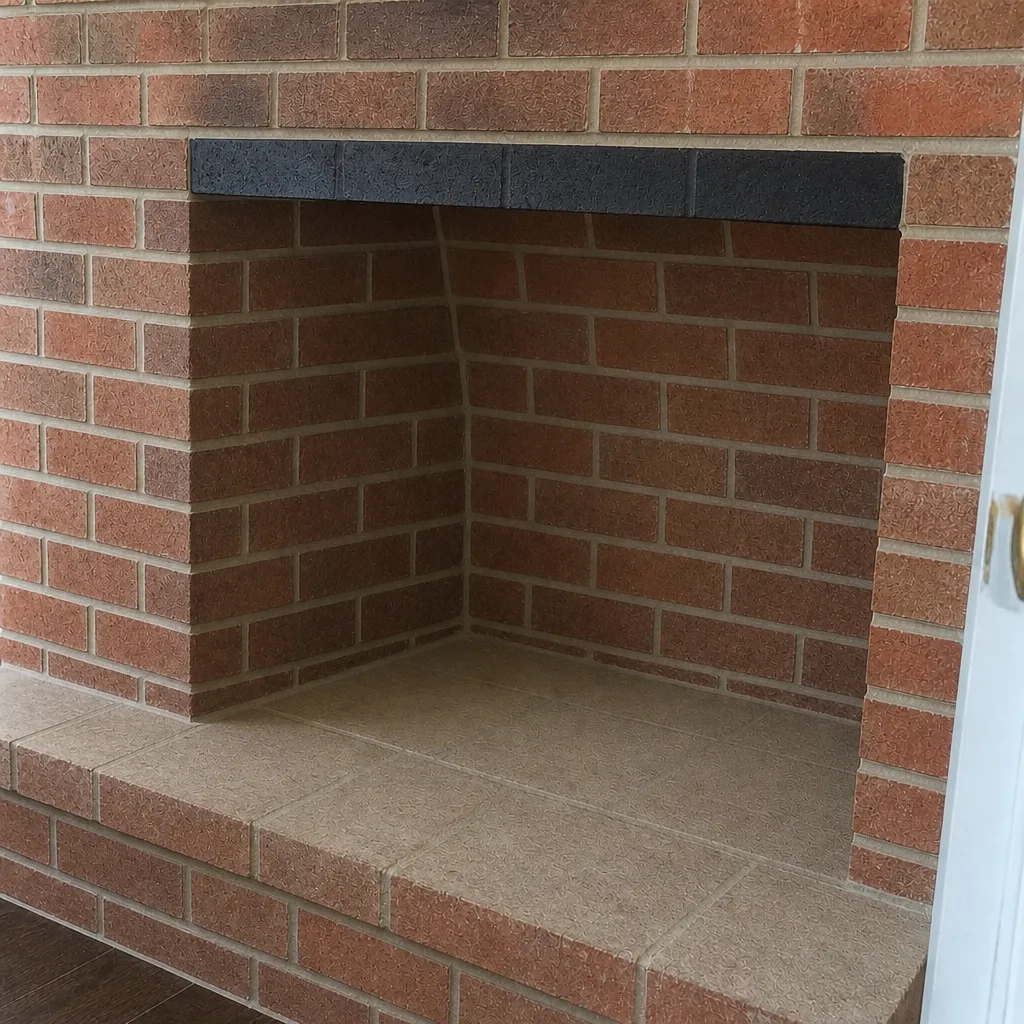
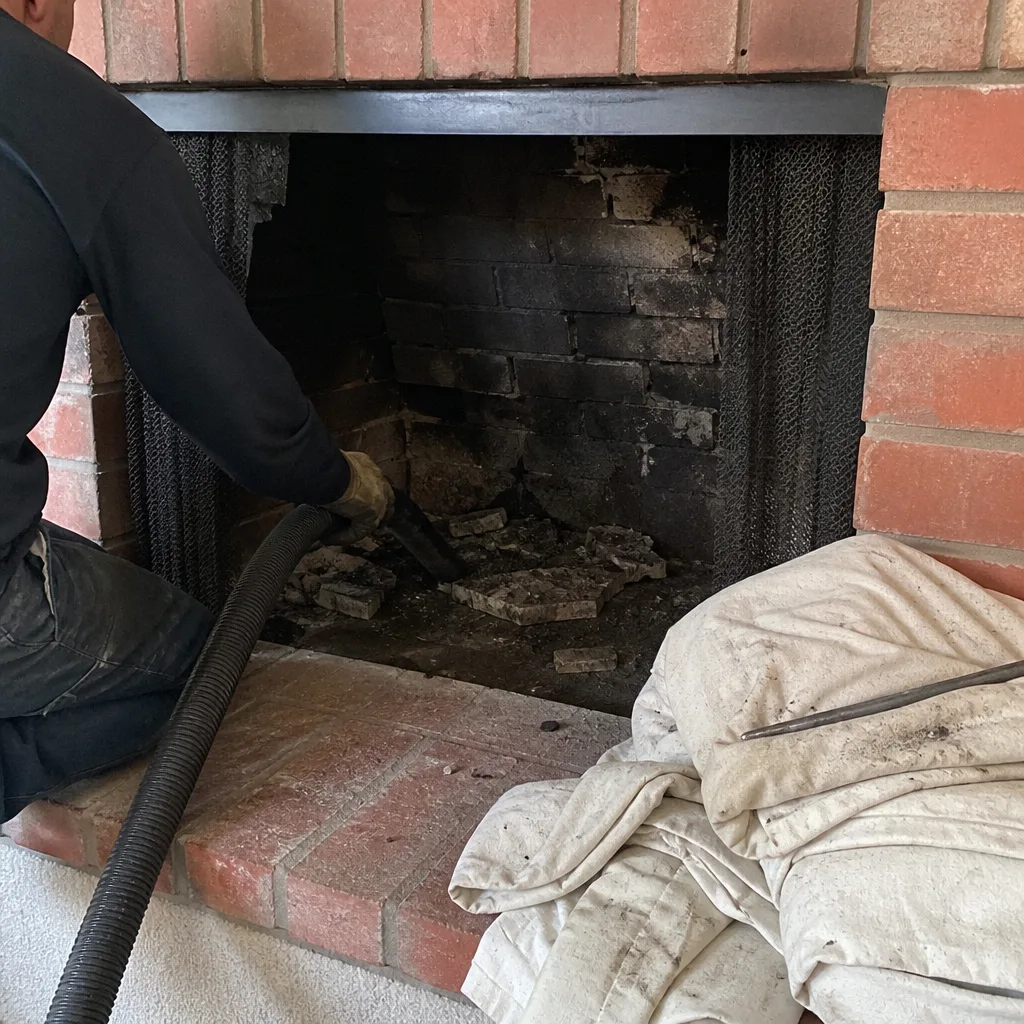
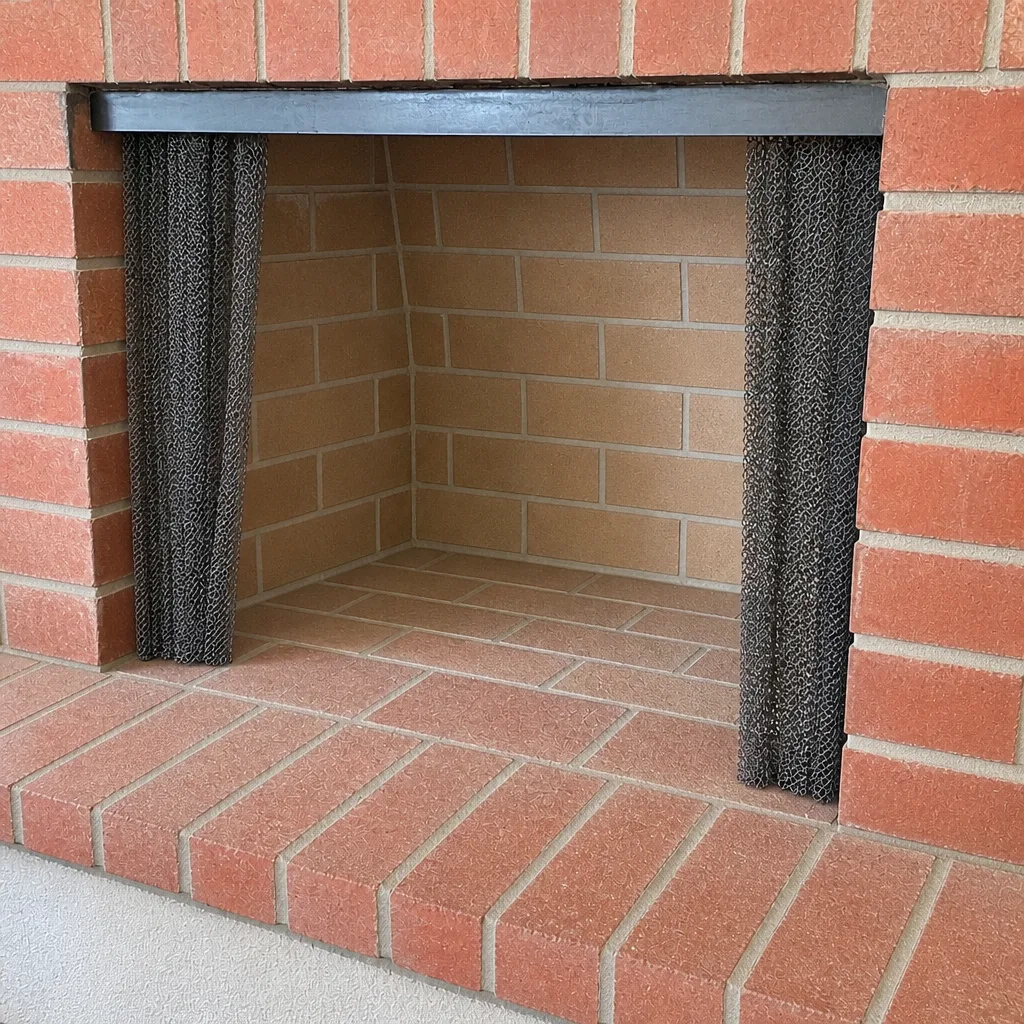
See the difference
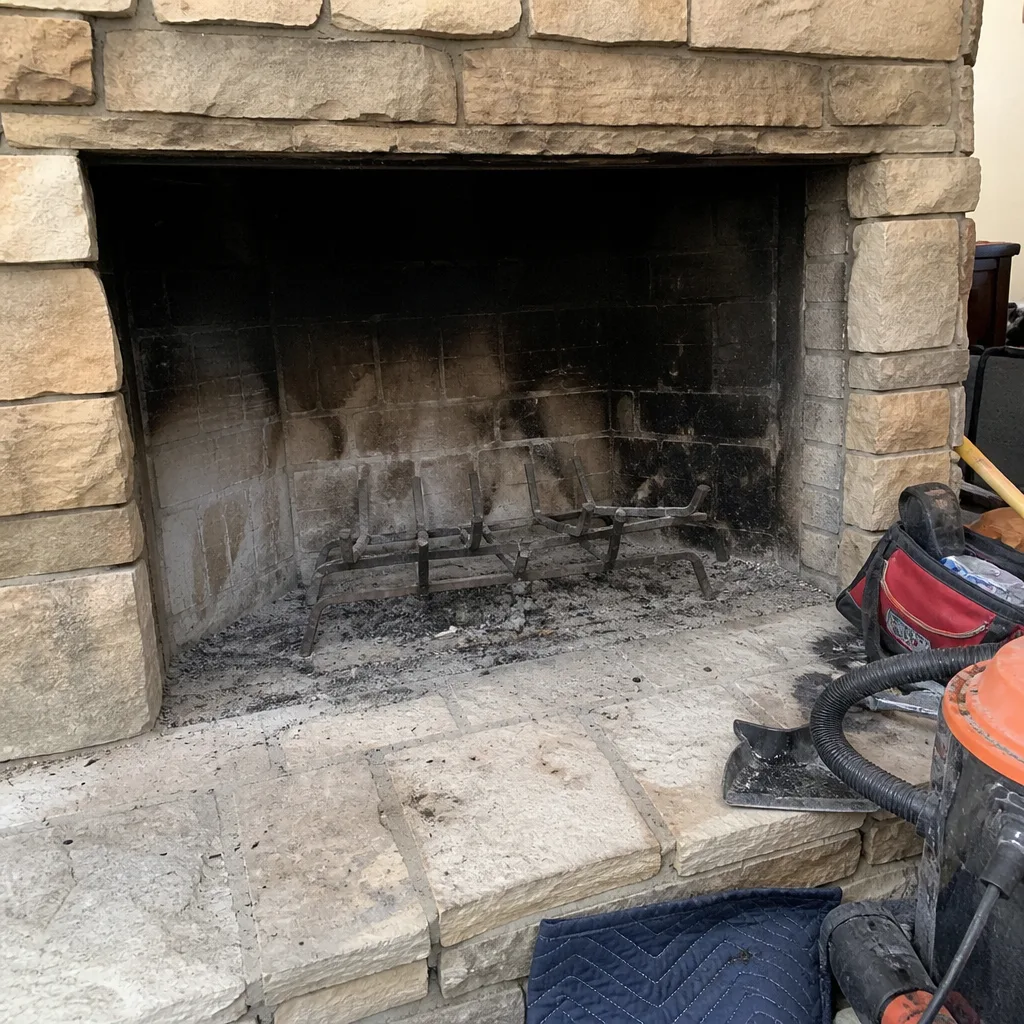 Before
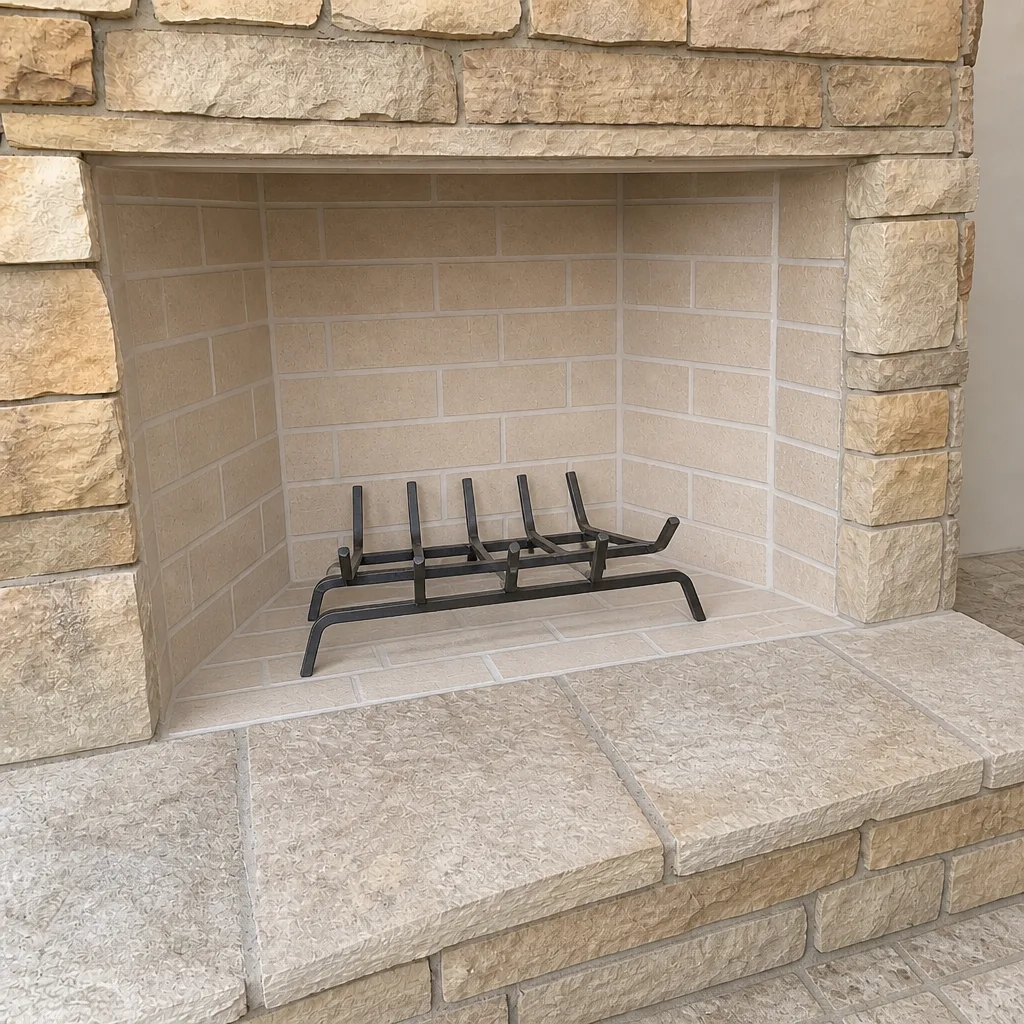 After
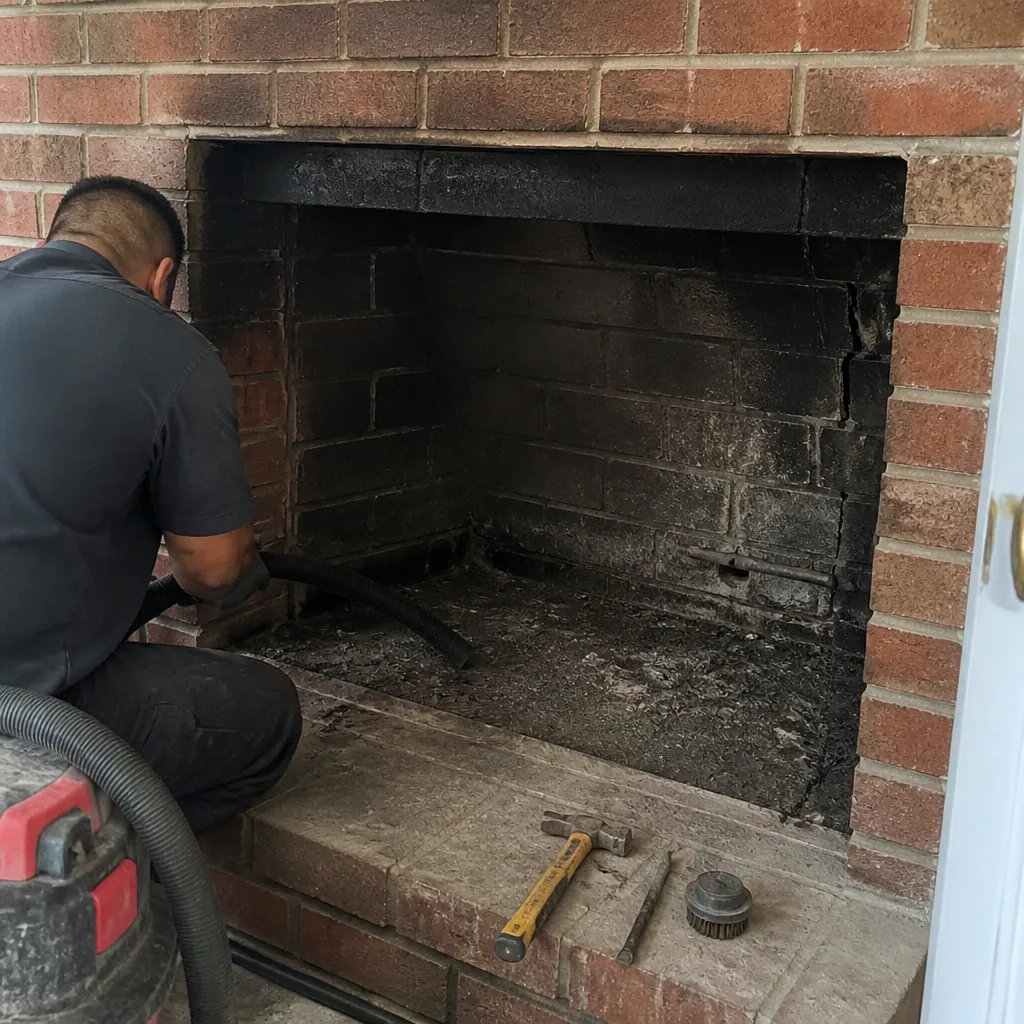 Before
 After
 Before
 After
When to Call a Professional
Some situations are clear signs to call. If you see smoke roll back into the room during a fire, hear animals in the chimney, notice cracking in the crown or a missing cap, or smell a strong creosote odor between fires, book an inspection rather than waiting for the next scheduled visit. If you’ve just moved into a La Habra home and don’t know when the chimney was last inspected, that counts too. A camera inspection with a photo report included shows you exactly what’s inside the flue, so you’re not asked to take anyone’s word for it. If a problem turns up, we show you the evidence and fix it in the same project, and we’ll tell you plainly when work can wait. La Habra Chimney Sweep Pros offers free estimates in La Habra. Call (855) 337-1997. We answer 24/7. Fast dispatch from 7am to 7pm, Sunday through Friday.
Frequently Asked Questions
Most La Habra chimneys need sweeping once a year if the fireplace gets regular use during the heating season, and a professional inspection at least once a year even if it doesn’t. Because the off-season risks here are significant, we recommend two checkpoints: a post-nesting inspection in spring and a pre-fall inspection before Santa Ana wind season. Heavy wood burners may need a sweep more often than once a year. Call (855) 337-1997 for an exact recommendation for your chimney.
Skipping a sweep lets soot and creosote build up inside the flue, and creosote is the fuel for chimney fires. Skipping the inspection is the bigger risk in La Habra, because it’s how animal nests, crown cracks, and liner damage go unnoticed until they cause a smoky room or a repair that could have been prevented. The chimney can weather and obstruct with no fire in the box at all. Call (855) 337-1997 to get on the schedule before fire season.
A repair is often enough, and a full reline isn’t always necessary. Some damaged flues can be restored from the inside using HeatShield flue resurfacing, which typically costs less than full demolition and relining. When a liner is beyond restoration, a DuraFlex flexible liner allows proper relining even in chimneys with bends and offsets. You’ll see the camera evidence before any recommendation is made. Call (855) 337-1997 for an exact quote; estimates are free.
Santa Ana winds are the strong, dry offshore wind events that hit La Habra in fall, and they can create negative pressure around a home that pushes smoke back down a chimney instead of drawing it up. That’s why fall inspection timing here matters more than a general pre-winter sweep. A chimney with an obstruction, a damaged cap, or a compromised liner is most likely to backdraft during these events. Have it inspected before the first Santa Ana winds. Call (855) 337-1997 with questions.
Yes. Spring nesting season is when birds, rodents, and squirrels most often enter La Habra chimneys, looking for a warm, sheltered cavity, and an uncapped flue is the easiest entry point. A nest blocks the flue, which can stop proper venting and cause smoke and carbon monoxide problems when the fireplace is next used. A properly fitted cap prevents this, and a post-nesting inspection confirms the flue is clear. Call (855) 337-1997 to book an inspection.
A chimney sweep in La Habra is priced per job, with a flat price agreed before booking rather than a quoted hourly rate. The estimate is free, and the written estimate sets the final price. The visit includes camera inspection and a photo report so you can see what we find. Pricing depends on the flue condition, access, and any additional work discovered during inspection. Call (855) 337-1997 for an exact quote; estimates are free.
The Bottom Line
Chimney care in La Habra follows the climate, not the standard fall-cleaning script. The highest-risk windows here are the off-season ones: spring nesting, summer moisture through a cracked crown, and fall Santa Ana backdraft. Book a professional inspection and sweep after nesting season, again before the first fires, and between visits, watch for smoke rollback, animal activity, and crown or cap damage. Industry-grade materials, from HeatShield to DuraFlex, are what make a repair durable rather than temporary. Inspected, cleaned, and protected in one visit is how the whole system stays sound year-round. Call (855) 337-1997 for a free estimate; we answer 24/7 and dispatch from 7am to 7pm, Sunday through Friday.
Written by the team at La Habra Chimney Sweep Pros.