
Last updated November 25, 2026
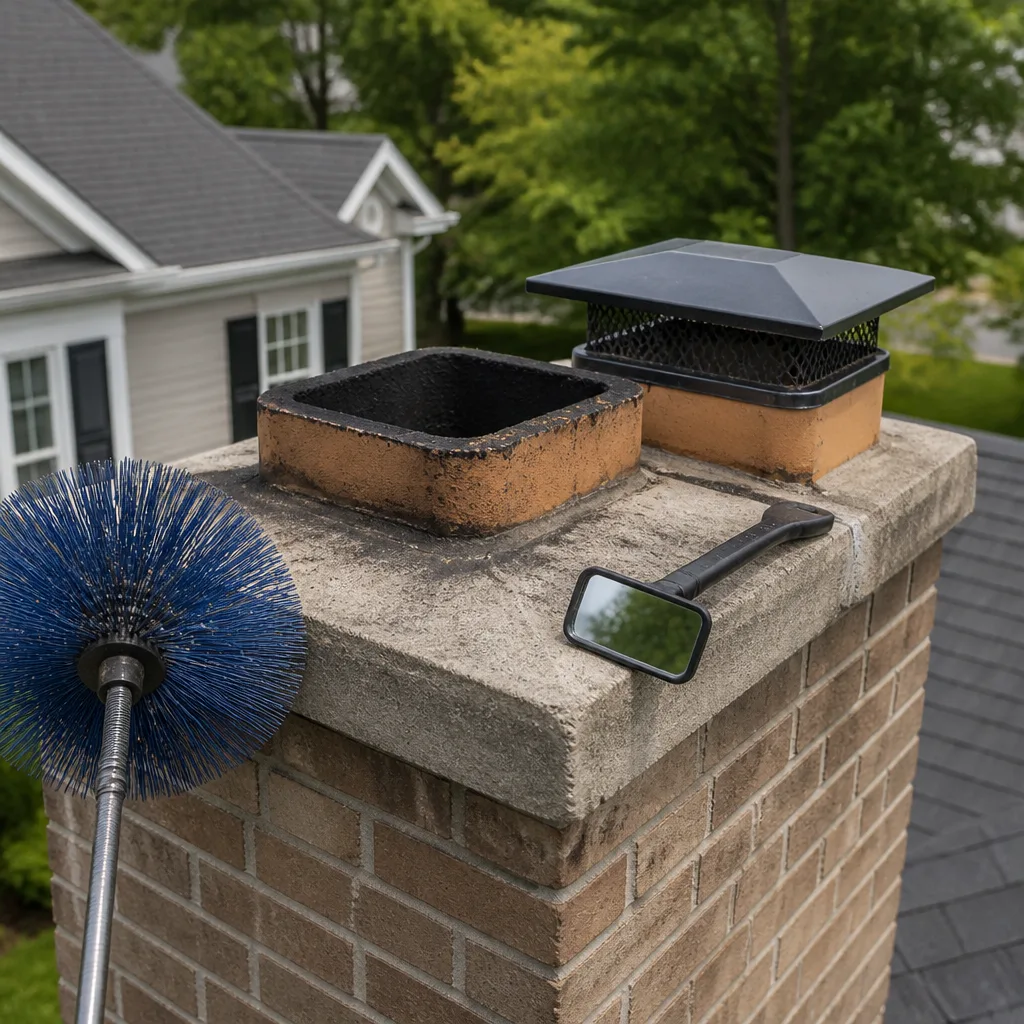 Sweep & inspection
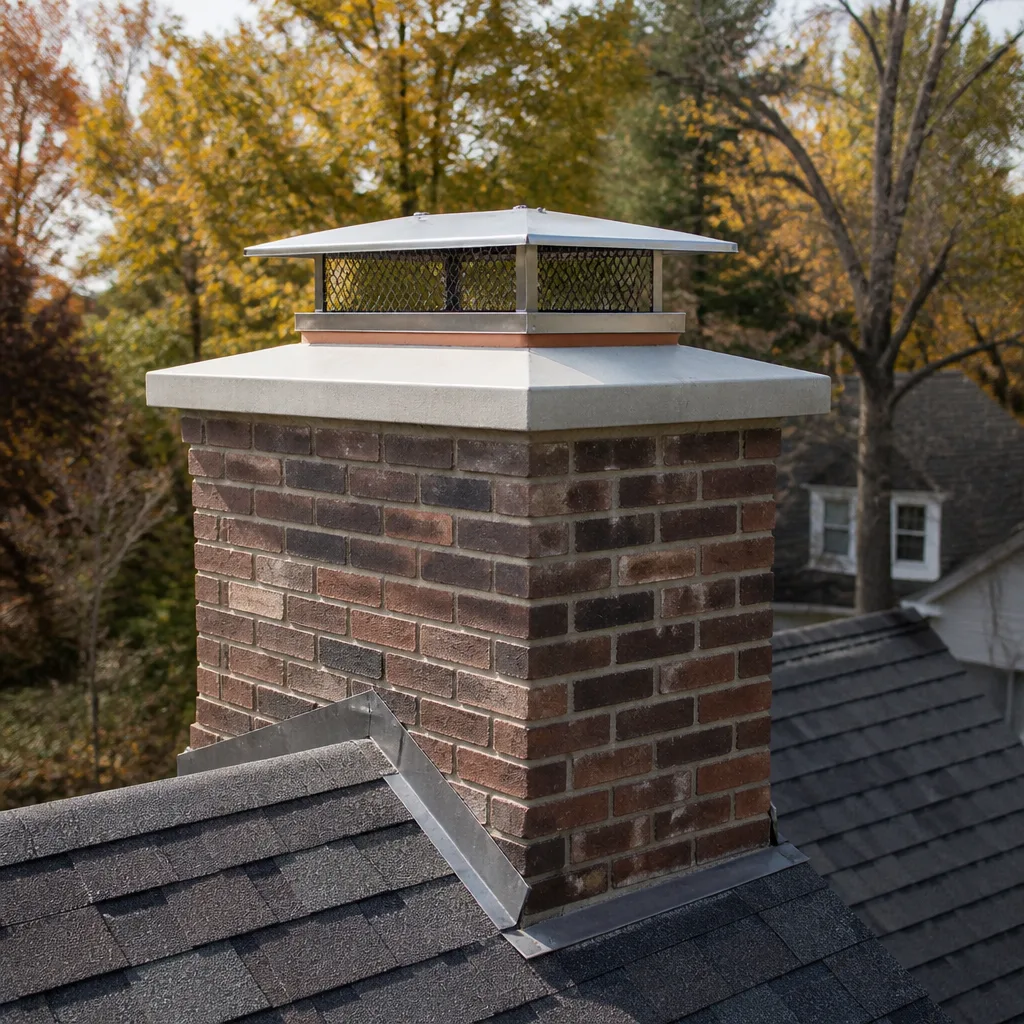 Caps & crowns
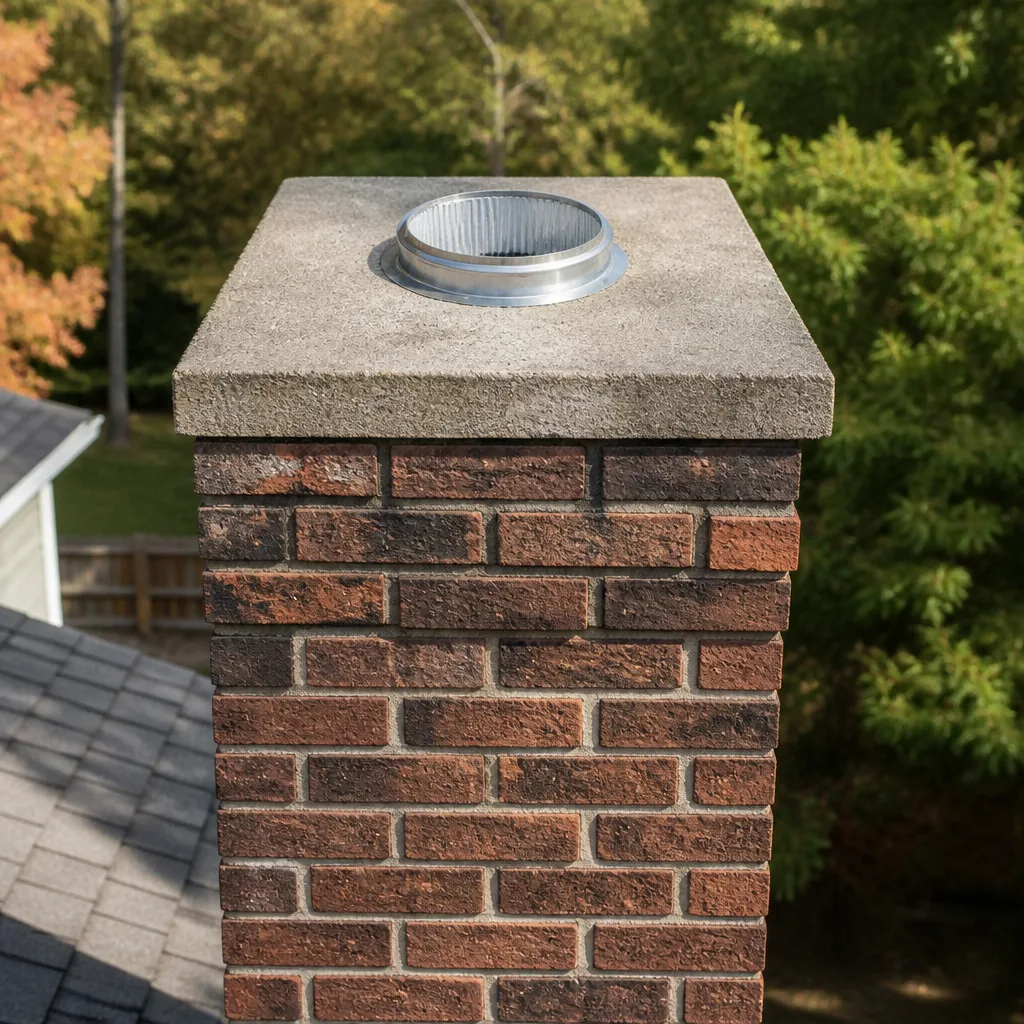 Flue relining
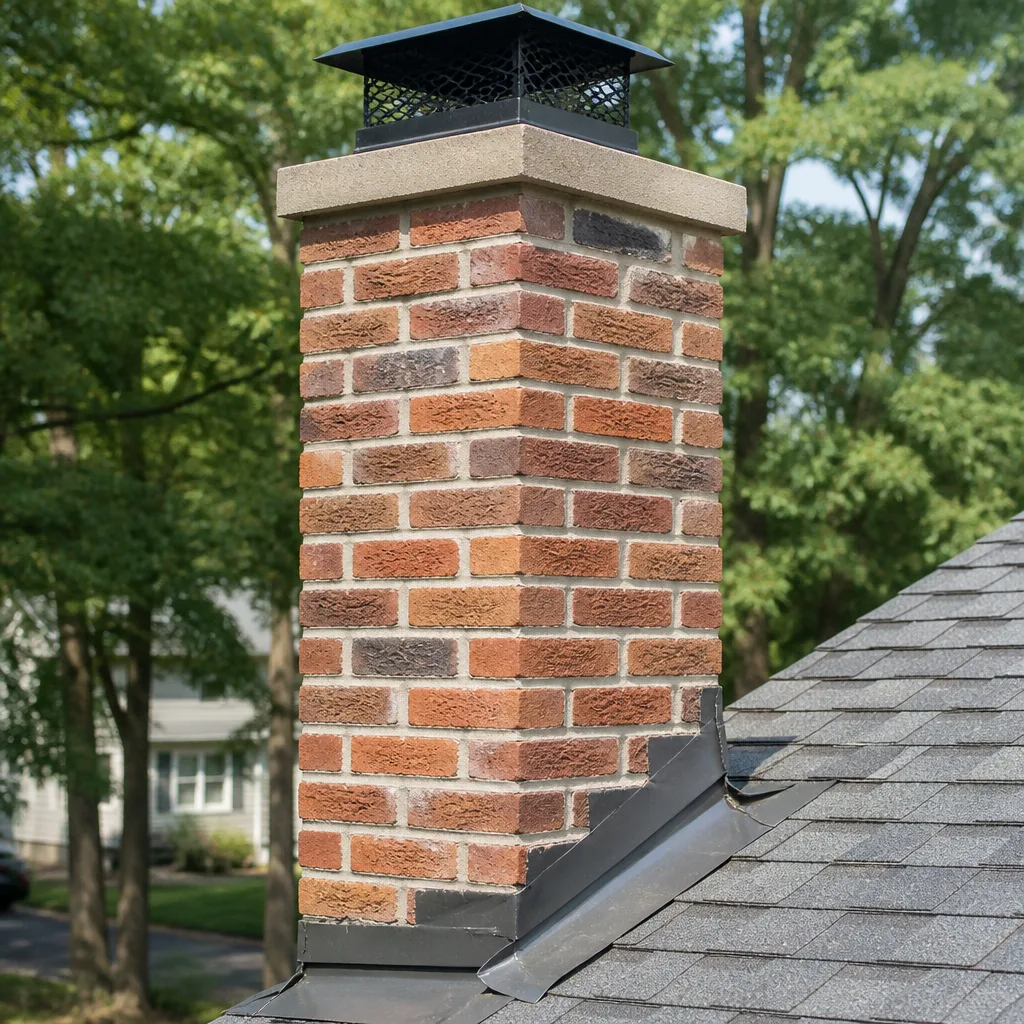 Masonry repair
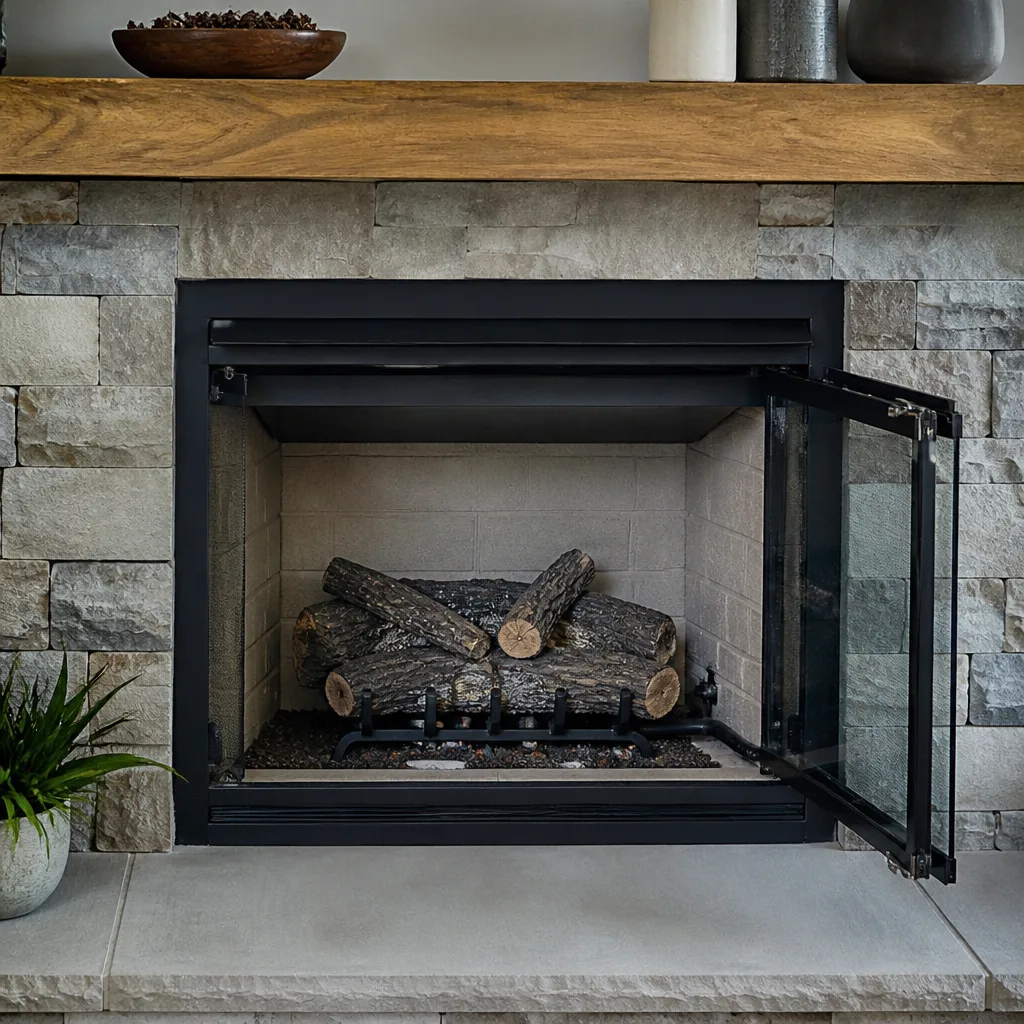 Gas fireplace service
Level 1 sweep and inspection to the NFPA 211 annual standard - flue, crown, cap, and flashing checked and photographed
Chimney sweep logs do not sweep chimneys. They loosen some creosote - which then falls where a brush and vacuum still have to collect it.
Chimney Cleaning Emergency Preparedness Guide for La Habra Homes
The chimney fire you can hear is not the one that should worry you most. During the last major Southern California fire weather event, thousands of La Habra-area homeowners used their fireplaces for warmth during power outages. Most had never had the flue inspected, and some did so while active bird nests partially blocked the liner. The dangerous fire in a chimney is often quiet, slow, and burning in creosote that built up unseen over seasons of light use. This guide covers the failure sequence, a warm-draft test for fireplaces that have sat idle, cap and spark arrestor standards for La Habra’s ember exposure, and a preparedness checklist you can actually use.
Quick Answer
Chimney emergency preparedness in La Habra means three things: a flue that has been swept and inspected before you need the fireplace, a chimney cap and spark arrestor rated to keep wind-driven embers out, and a rehearsed plan for what to do during a flue fire, a power outage, or an earthquake. Most chimney emergencies we’re called to are predictable and preventable with one inspection. If your fireplace has gone unused for more than a year, get it checked before the first cold night, not after.
Styles & brands we work with
- Sweep & inspection
- Caps & crowns
- Flue relining
- Masonry repair
- Gas fireplace service
Table of Contents
- Why an Unmaintained Chimney Is the Real Emergency
- The Flue Fire Failure Sequence: First 60 Seconds
- Lighting a Fireplace Unused for Over a Year: The Warm-Draft Test
- Chimney Caps and Spark Arrestors for Ember Exposure
- Emergency Preparedness Checklist for La Habra Homes
- Post-Emergency Inspection Protocol
- Building a Year-Round Chimney Plan
Why an Unmaintained Chimney Is the Real Emergency
Most homeowners picture a chimney emergency as a fire truck in the driveway. In our experience, the more common scenario in La Habra is quieter: a fireplace that has gone a full season or two without a sweep, a homeowner who lights it the night the power goes out, and creosote that ignites because nobody ever looked inside the flue.
A chimney is a venting system, not just a fireplace feature. Its job is to carry smoke, water vapor, and combustion gases out of the house at the right velocity and temperature. When that system is compromised by creosote buildup, a cracked flue tile, a blocked cap, or a bird nest, it stops venting correctly. Smoke backs into the room. Carbon monoxide can too. And the creosote itself becomes fuel sitting inside the wall cavity.
What actually accumulates
Three things build up in an unmaintained chimney, and each one carries a different risk:
- Creosote – condensed wood smoke residue. Glazed creosote is the hardest and most flammable form, and it doesn’t come off with a brush alone; it often needs chemical treatment or resurfacing.
- Soot – fine carbon powder that coats the flue and reduces draft.
- Nesting material and debris – birds, squirrels, and leaves that find the flue an easy opening. A nest near the top restricts draft and can burn.
La Habra’s mild winters mean many fireplaces run only a handful of times a year. That creates a specific pattern we see often: slow, cool burns that produce more creosote per fire than a hot, well-drafted burn would, and long gaps between fires that let material sit and harden. A fireplace used lightly is not automatically a fireplace in good condition. It’s a fireplace whose problems just accumulate more slowly.
If your chimney hasn’t been opened up in a few years, that’s the starting point. A chimney sweep and inspection tells you what’s actually in there before you need the fireplace in an emergency.
The Flue Fire Failure Sequence: First 60 Seconds
A flue fire usually starts as a low rumble, not a roar. Recognizing the early signature is what buys you the seconds that matter. Here is the sequence we walk homeowners through, based on how these fires typically develop.
The first 60 seconds, roughly in order:
- Sound: A low, rumbling roar that sounds like a distant freight train or a small engine ramping up. It may build for several seconds before you connect it to the fireplace.
- Smell: A sharp, acrid, tar-like odor, distinct from normal wood smoke. It can precede visible signs.
- Draft and flame behavior: The fire may grow suddenly or the draft may reverse, pushing a puff of smoke into the room around the top of the firebox.
- Heat and discoloration: The chimney pipe or exterior masonry can feel unusually hot to the touch near the flue, and paint on a metal flue may discolor.
- Visible smoke or sparks: Thick black or gray smoke from the top of the chimney, or sparks and flaming debris coming out of the flue, is the clearest sign.
The correct immediate response
The instinct is to grab an extinguisher and spray up into the firebox. Don’t. That approach rarely reaches a fire burning up in the flue and can push heat and smoke back into the room. Here is what a homeowner should do:
- Close the glass doors (if you have them) and close the firebox damper if you can safely reach it. Starving the fire of air is the goal.
- Get everyone outside to fresh air, and take the phone with you.
- Call 911. A flue fire that has been roaring for more than a few seconds is a fire department call, not a wait-and-see.
- Do not re-light the fireplace, even after the roar stops. Creosote can smolder for hours.
The key judgment call is: call 911 versus manage independently. If you heard a roar, saw sparks or heavy smoke from the top, noticed heat coming through the wall, or smell that acrid odor, call 911. If you caught a small smoldering fire early, closed the damper, and it goes out without sound or heat, you still need a professional inspection before you ever light it again. Never assume a quiet chimney is a safe chimney.
A chimney fire can damage flue tiles, warp a metal liner, and crack masonry in ways you cannot see from the room. Our chimney repair work after flue fires routinely finds damage that a homeowner had no idea was there. Any structural fire, earthquake, or roof impact should trigger an inspection before the next fire.
Lighting a Fireplace Unused for Over a Year: The Warm-Draft Test
Before you commit to a full fire in a fireplace that has sat unused for a year or more, do a quick warm-draft test. It confirms the flue is pulling air up and out before you put real heat and smoke into it.
What the warm-draft test is: You warm the flue so the warm air inside rises and starts pulling combustion air up and out, then you confirm the draft is working with a small test load and a smoke check. If the draft fails, you’ll see it here instead of in a room full of smoke.
How to do it safely
- Open the damper fully and visually confirm it’s open. A blocked or stuck damper is the single most common cause of smoke backup.
- Look up the flue with a flashlight. You’re checking for a visible blockage near the top: nests, leaves, a stuck cap. If you can’t see daylight at the top, stop and get it looked at.
- Warm the flue by holding a lit, rolled newspaper or a small starter stick near the open damper for 30 to 60 seconds. This warms the air in the flue and starts the draft.
- Light a small test fire with dry kindling and thin splits. Watch the smoke. It should rise cleanly and steadily. If smoke drifts into the room or rolls back at the top of the firebox, the draft is failing. Extinguish the test fire and don’t build a larger one.
- Confirm before going big: a clean, steady draw on a small fire is your green light. A hesitant, smoky, or back-drafting small fire is your stop sign.
What the test confirms is that the flue is open, the damper works, and draft can be established. It does not confirm the flue is free of hardened creosote, cracks, or a compromised liner. That’s what a camera inspection does. If the test passes and the flue has been inspected recently, you’re in good shape. If the test fails, or if you’ve never had it inspected, get that done first.
We see this seasonal pattern in La Habra often: a fireplace that ran two winters ago and has sat since. The warm-draft test is a good habit for any fireplace that hasn’t had a real burn in more than twelve months.
Chimney Caps and Spark Arrestors for Ember Exposure
In a wildfire-wind region, the top of your chimney is a two-way door. Wind-driven embers come in, and sparks and hot debris go out. A properly fitted cap with a spark arrestor manages both directions. And the chimney cap is also the number one entry point for water into a chimney, so it’s doing moisture protection at the same time.
What a proper cap and arrestor does
- Keeps wind-driven embers out. During a Santa Ana wind event, embers can travel well ahead of a fire front. A screened cap with tight mesh reduces the chances of a live ember landing inside an open flue.
- Keeps sparks in. A spark arrestor screen retains burning debris so it doesn’t land on the roof.
- Blocks animals and debris. A screened cap stops birds and squirrels from nesting in the flue and keeps leaves out.
- Keeps water out. A cap with a proper crown and drip edge directs rain away from the flue and the top of the masonry.
How to verify your existing cap
You don’t need to climb the roof. From the ground with binoculars, or on a ladder if you’re comfortable, check these points:
- Is there a cap at all? Many older La Habra homes have a bare flue with no cap. That’s an open invitation for embers, water, and animals.
- Is the screen intact? Look for rusted-through or torn mesh. A hole the size of a quarter is big enough for a bird to get through.
- Is it properly sized? The cap should overhang the flue on all sides, with the screen fitting snugly. Loose caps rattle off in high wind.
- Is it the right material? Stainless steel mesh and a stainless or copper body hold up far better than galvanized, which rusts out in a few seasons.
- Is the crown under it sound? The cap sits on a crown. A cracked crown lets water in around the flue, which then damages the liner. If the crown is cracked, a new cap alone won’t fix the moisture problem.
We install and repair caps and crowns as a dedicated service because this is where most long-term chimney damage starts. The brands we work with, including Olympia Chimney and Copperfield products, are built for the exposure that a chimney top actually sees. If you’re not sure what’s up there, a La Habra Chimney Sweep Pros inspection will tell you whether what you have meets the standard for ember exposure, or whether it needs replacing. Inspected, cleaned, and protected in one visit is the goal.
Emergency Preparedness Checklist for La Habra Homes
This is the part you can act on today, before you ever need it. Work through it once and you’re prepared for the fire, the power outage, and the earthquake.
Carbon monoxide detectors
- One on every level of the home, and specifically one in or near the room with the fireplace and one outside each sleeping area.
- Test them monthly with the test button, and replace the batteries at least once a year. Replace the whole unit per the manufacturer’s date on the back.
- Know the difference between a CO alarm and a smoke alarm. They are separate devices and you need both.
Fire extinguisher
- For a chimney fire, the right class matters. You’re dealing with wood, paper, and usually a small amount of creosote. A standard ABC dry-chemical extinguisher is a reasonable general-purpose choice, but understand that a hand-held extinguisher rarely reaches a fire up inside the flue. Its real value is for a fire that has spread to the hearth, the floor, or nearby materials.
- Mount it where you can reach it before you’re panicking: near the fireplace, not in a cabinet across the room.
- Replace or recharge after any use, even a small one.
When to call 911 versus manage independently
- Call 911 if you hear a roar, see sparks or heavy smoke from the top of the chimney, smell that acrid tar odor, see heat damage near the flue, or notice smoke filling the room that you can’t clear by opening a window.
- Manage independently only if you caught a small, contained fire early, closed the firebox, and it’s out. Then call for an inspection before the next fire. That’s still a professional call, just not a 911 call.
The rest of the kit
- A flashlight that works, kept near the fireplace for the annual look-up-the-flue check.
- A chimney-top cap that’s verified to be intact (see the previous section).
- A written record of your last sweep and inspection date. Sellers preparing to list a La Habra home need this documentation, and buyers ask for it.
The most important item on this list isn’t equipment. It’s a flue that’s been swept and inspected before you need it. If your fireplace hasn’t been opened up in the last year, that’s the gap in the plan. Call (855) 337-1997 to book a sweep and inspection. We answer 24/7, with fast dispatch from 7am to 7pm, Sunday through Friday.
Post-Emergency Inspection Protocol
After any structural fire, earthquake, or roof impact, a chimney must be inspected before it’s used again. No exceptions. A chimney that looks fine from the room can have a cracked flue tile, a shifted liner, or masonry damage that only shows up when it’s under heat and load.
What a post-emergency inspection should cover
- The flue interior from top to bottom, ideally with a camera. This is the check that catches cracked tiles, warped liner sections, and offsets that a visual sweep misses.
- The masonry and the crown. Earthquakes shift masonry, and roof impact can dislodge a crown or cap. Cracks that were hairline before can open up.
- The firebox and damper. A fire can warp a damper or crack the firebox floor.
- The connection to the appliance. For a wood-burning insert or a gas-connected fireplace, the joint between the appliance and the flue needs a close look.
- The roof and flashing around the chimney. Fire and impact damage often show up where the chimney meets the roof.
After an earthquake specifically
La Habra sits in a region that experiences regular seismic activity. An earthquake of noticeable size is a reason to check the chimney even if nothing in the house else was affected. Look for new cracks in the masonry, a shifted cap or crown, or separation where the chimney meets the roof. If you see any of that, don’t burn until it’s inspected. A compromised flue is a fire and a carbon monoxide pathway at the same time.
Our fireplace repair and chimney repair services exist for exactly this: we find the damage, and we fix it. We don’t hand off the repair to another contractor after the inspection. One company is accountable for the whole chimney. Our technicians have up to 14 years of experience, and we use industry-grade materials from brands like HeatShield and DuraFlex, so what we install is built to last, not patched to pass.
Building a Year-Round Chimney Plan
Preparedness isn’t a checklist you run once. It’s a low-effort habit that keeps the chimney in condition to handle the night the power goes out. Here’s the version we recommend for La Habra homes.
- Annual sweep and inspection. Once a year, before the first cold night of the season. This is the baseline. If you burn often, or you notice slow, smoky fires, add a mid-season check.
- Verify the cap and crown annually. A quick look from the ground, plus a professional check during the annual visit. Moisture is the leading cause of long-term chimney deterioration, and the cap and crown are where it starts.
- Test CO and smoke detectors monthly. Replace batteries yearly, and replace the units per the manufacturer’s date.
- Do the warm-draft test after any long gap. Any fireplace that has sat unused for more than a year gets the test before a full fire.
- Inspect after any emergency. Fire, earthquake, roof impact. Before the next burn.
One sweater is that this schedule only works if you know the current condition of the flue. You can’t prepare for a failure you don’t know about. That’s what the inspection is for. Our readiness to work with HeatShield flue resurfacing matters too: when a liner is damaged but salvageable, resurfacing can restore it without the cost and disruption of a full reline. Not every chimney company is equipped to apply it. We are.
When the inspection turns up a problem, we fix it. And when it doesn’t, we’ll tell you plainly that the work can safely wait. That’s the commitment: nothing gets recommended without camera evidence you can see for yourself.
Common Mistakes to Avoid
- Treating a lightly used fireplace as a safe one. A fireplace that runs five times a year still builds creosote, just more slowly. The gap between fires is what lets it harden. If it hasn’t been inspected in a few years, light use is not proof of condition.
- Skipping the warm-draft test. Lighting a full load in a cold flue that hasn’t drawn in months is how a room fills with smoke and how a small problem becomes a call to 911. Test with a small fire first. In a city where fireplaces sit idle for long stretches, this is the mistake we hear about most.
- Leaving the flue uncapped. An open flue invites animals, debris, and water. Water is the leading cause of long-term chimney deterioration, and it comes in through the top. A missing or rusted cap is a slow-motion repair bill.
- Spraying an extinguisher up the flue. A hand-held extinguisher usually can’t reach a fire up inside the chimney. The correct move is to close the firebox, get everyone out, and call 911.
- Assuming the cap you have meets the standard. A rusted screen or an undersized cap doesn’t do the job during a Santa Ana wind event. Verify the mesh and the fit, especially in an ember-exposure region.
- Re-lighting after a chimney fire without an inspection. The roar may stop, but the flue can be cracked, warped, or still smoldering. Any structural fire, earthquake, or roof impact means an inspection before the next burn.
- Burning wet or unseasoned wood. Wet wood burns cool and produces more creosote per fire. It’s a quiet way to make your own chimney less safe over a few seasons.
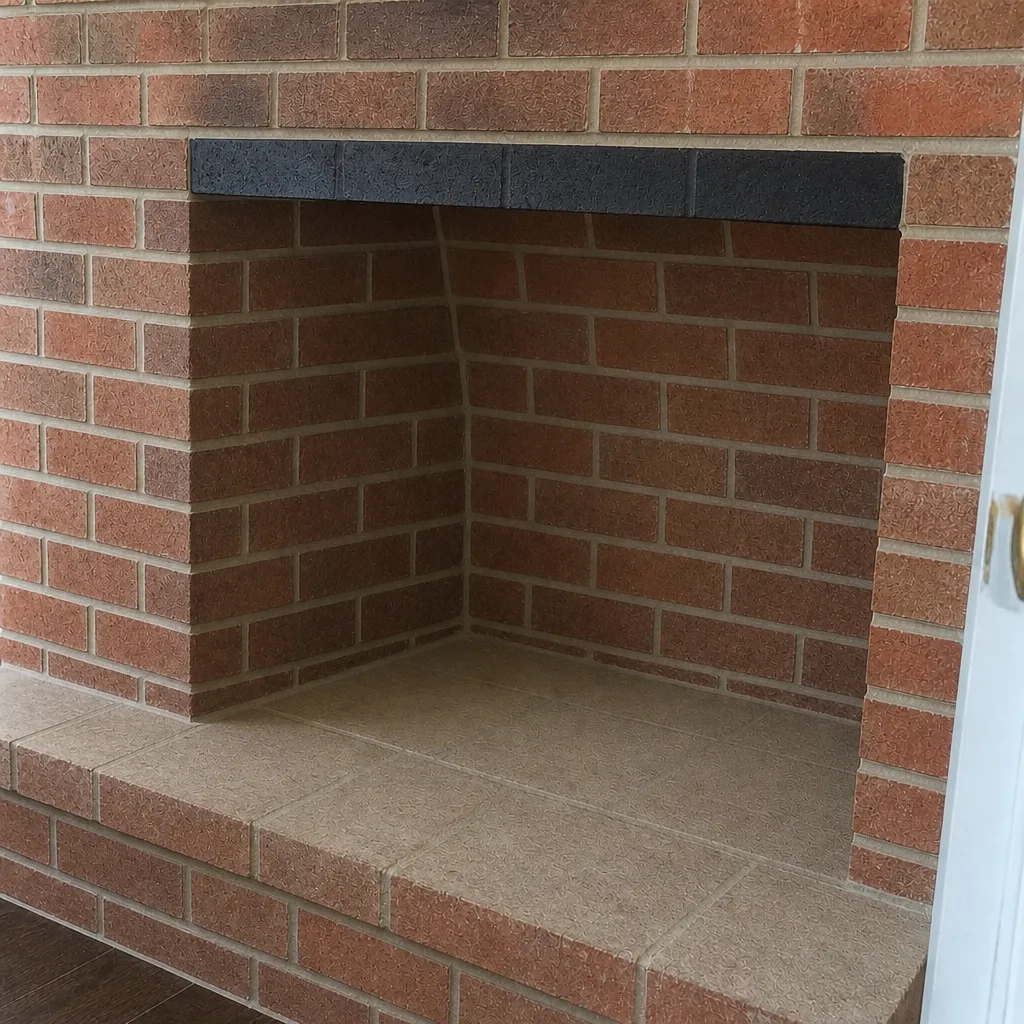
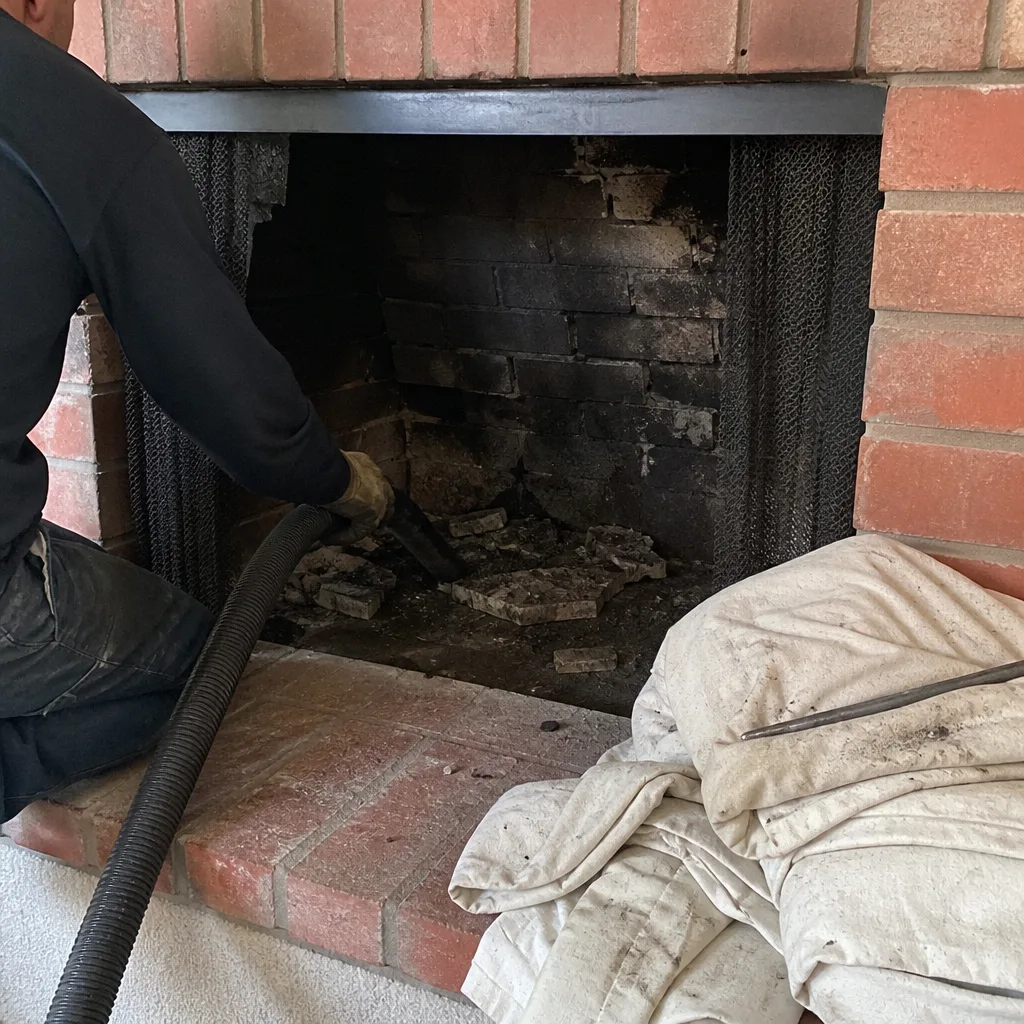
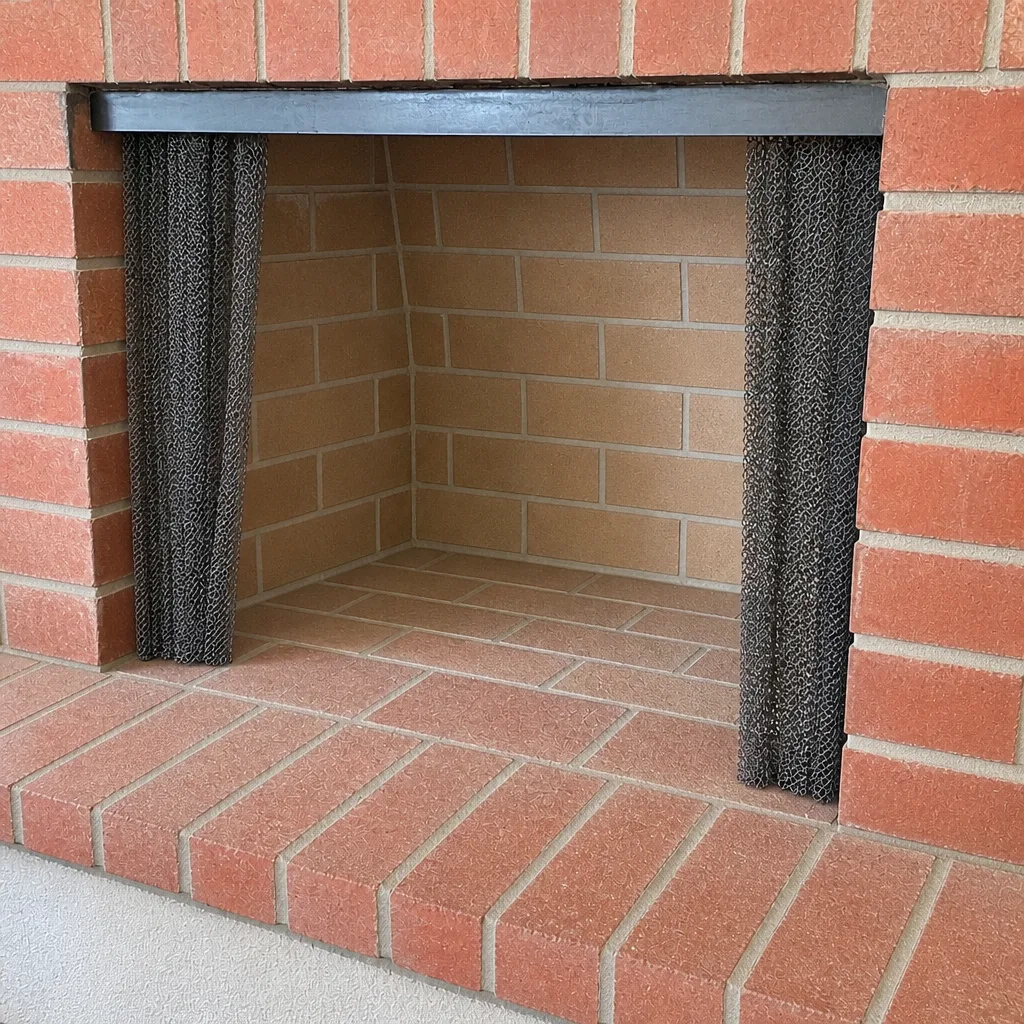
See the difference
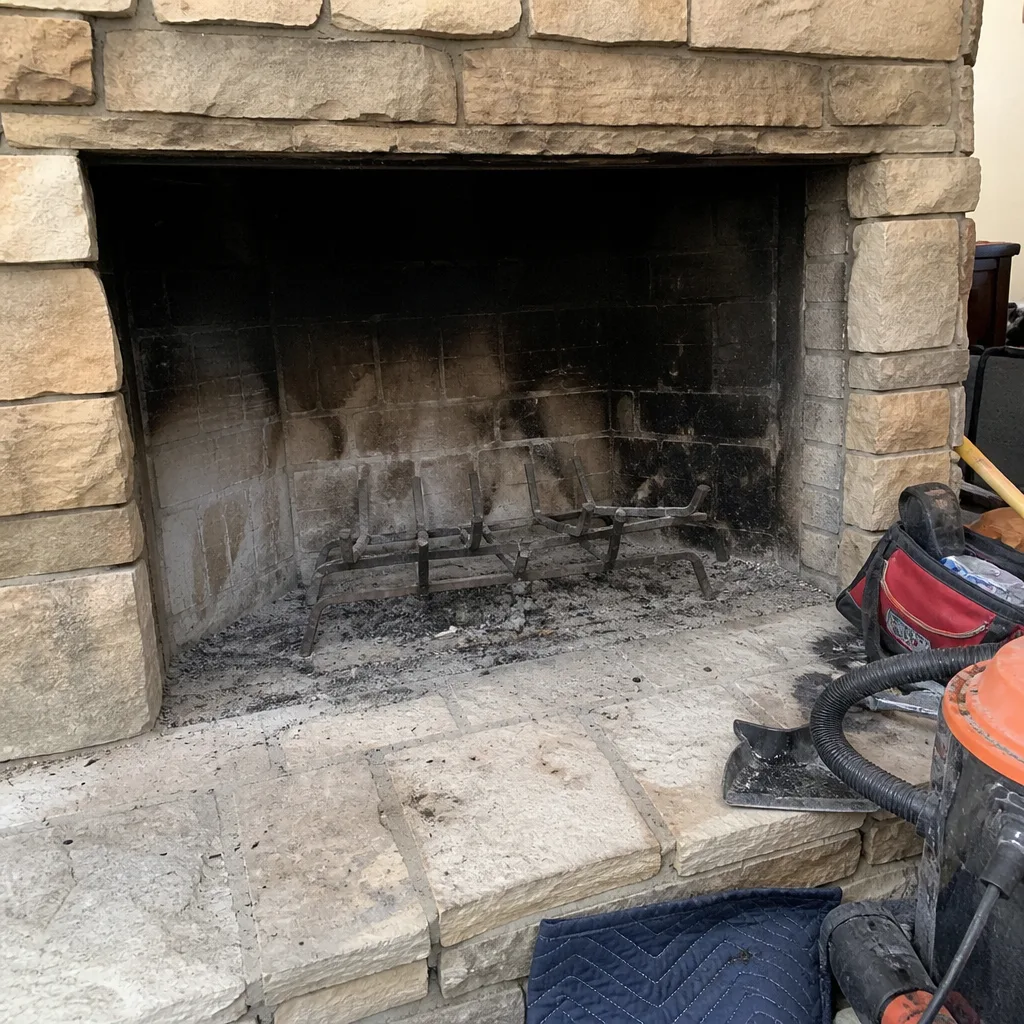 Before
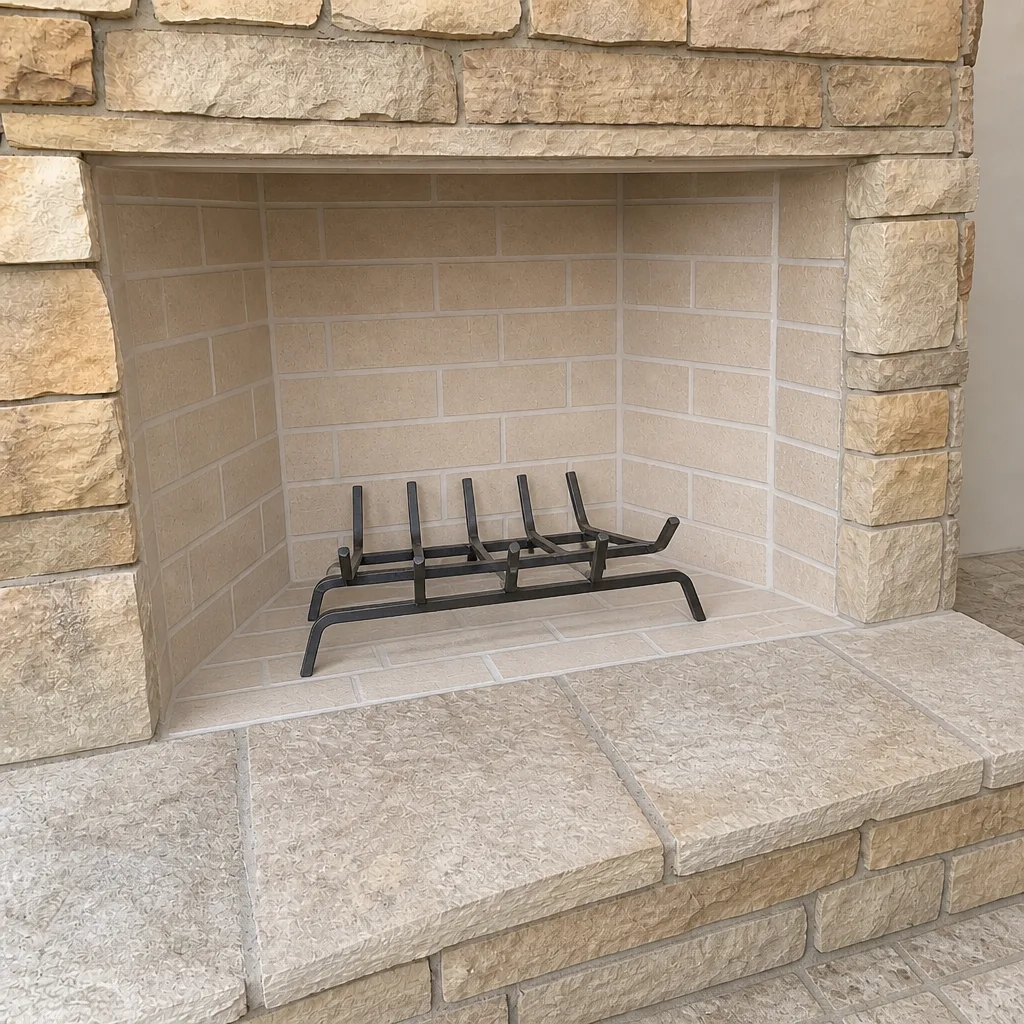 After
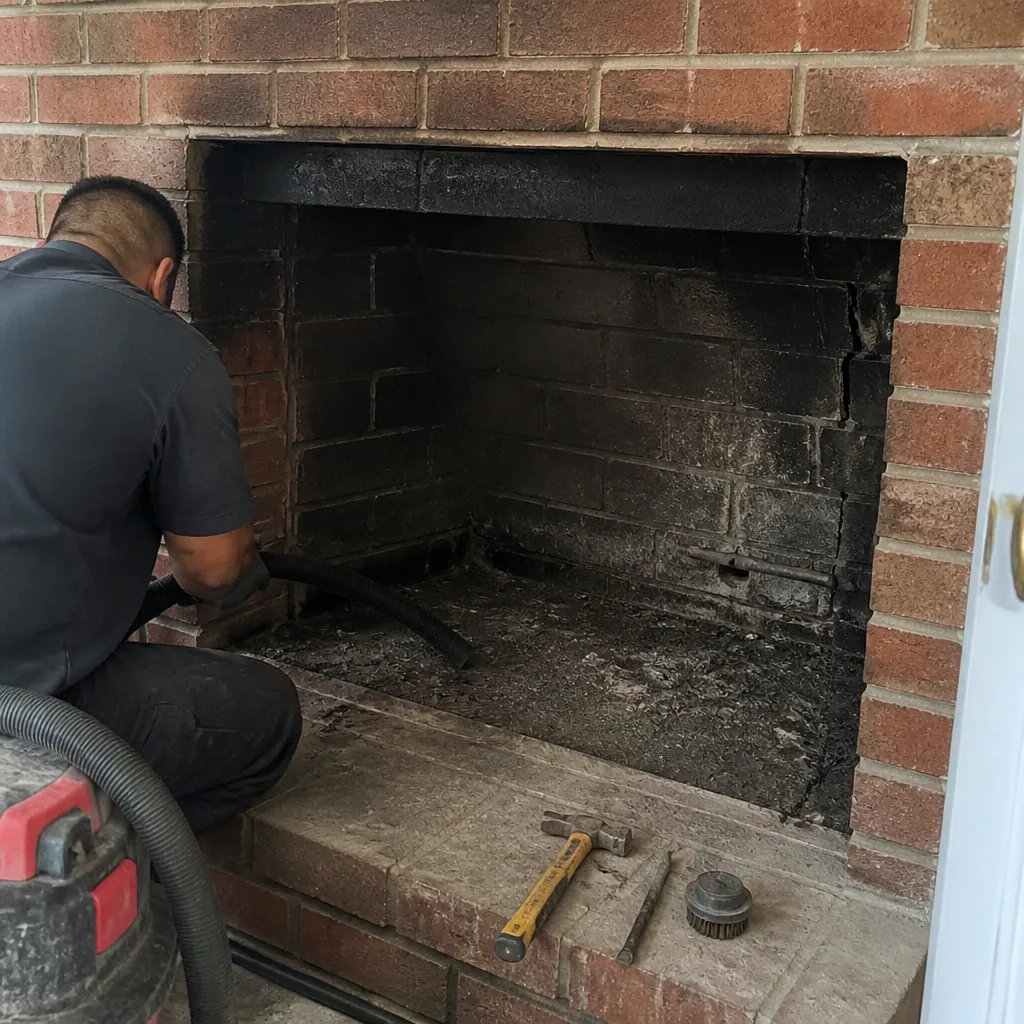 Before
 After
 Before
 After
When to Call a Professional
Call a professional if any of these apply: you’ve never had the flue inspected, you’ve had a chimney fire, a noticeable earthquake, or roof impact since the last inspection, you see or smell smoke backing into the room, you’ve found bird or animal nesting material in or near the flue, your cap is missing, loose, or rusted through, or you’re preparing to sell a La Habra home and need inspection documentation. Do not burn in a chimney with any of these unresolved.
La Habra Chimney Sweep Pros offers free estimates in La Habra. Call (855) 337-1997. We answer 24/7. A call outside dispatch hours is booked into the next opening, Sunday through Friday, 7am to 7pm.
Frequently Asked Questions
Close the firebox doors and the damper if you can safely reach them, get everyone outside, and call 911. A roar, sparks or heavy smoke from the top, or heat through the wall all mean call 911, not wait and see. Do not re-light the fireplace afterward, even if the noise stops. After the fire department clears the house, you still need a professional inspection before the next burn. Call (855) 337-1997 to book one.
Not always. Some flue damage can be resurfaced with HeatShield rather than fully relined, which saves significant cost versus a full demolition and reline. The only way to know is a camera inspection that shows the flue interior. We won’t recommend a liner or a reline without evidence you can see for yourself, and we’ll tell you plainly when repair can safely wait. Call (855) 337-1997 for an exact quote; estimates are free.
Once a year before the burning season is the baseline, and more often if you burn frequently or notice slow, smoky fires. La Habra’s mild winters mean many fireplaces run only a few times a year, which builds less creosote but also means long gaps that hide problems. An annual sweep and inspection catches issues before they matter. Call (855) 337-1997 to schedule.
Creosote builds up unseen, a cap or crown crack lets water into the masonry, and a small flue crack can widen. None of that announces itself until you light the fireplace, and often not until you light it during a power outage when you need it most. The cost of skipping shows up later as repair. Call (855) 337-1997 to book an inspection.
Check that a cap is present, that the screen is intact and stainless rather than rusted galvanized, that it’s snugly fitted and overhangs the flue, and that the crown beneath it isn’t cracked. A tight-mesh cap with an intact arrestor reduces the chance of a wind-driven ember landing inside an open flue. If any part is missing or rusted through, it needs replacing. Call (855) 337-1997 for an assessment.
Only after a warm-draft test and, ideally, an inspection. Open the damper fully, look up the flue with a flashlight, warm the flue with a small kindling fire, then watch the smoke. A clean, steady draw is your green light; smoke rolling back into the room is your stop sign. The test doesn’t confirm the flue is free of creosote or cracks, so if it’s been a year or more, get it inspected. Call (855) 337-1997.
The Bottom Line
Chimney emergency preparedness in La Habra is mostly about what you do before the emergency. A swept and inspected flue, a proper cap and spark arrestor, working CO and smoke detectors, and a rehearsed plan for a flue fire are the four things that turn a potential emergency into a routine evening. The intersection of unmaintained flues, wildfire ember exposure, power outages, and long gaps between burns is where real emergencies happen. One inspection closes most of that gap. Inspected, cleaned, and protected in one visit is the standard we hold ourselves to, and it’s what keeps a chimney ready when you need it. Get it checked before the first cold night, not after.
Ready to book? Call La Habra Chimney Sweep Pros at (855) 337-1997 for a free estimate. We answer 24/7, with fast dispatch from 7am to 7pm, Sunday through Friday.
Written by the team at La Habra Chimney Sweep Pros.