
Last updated November 25, 2026
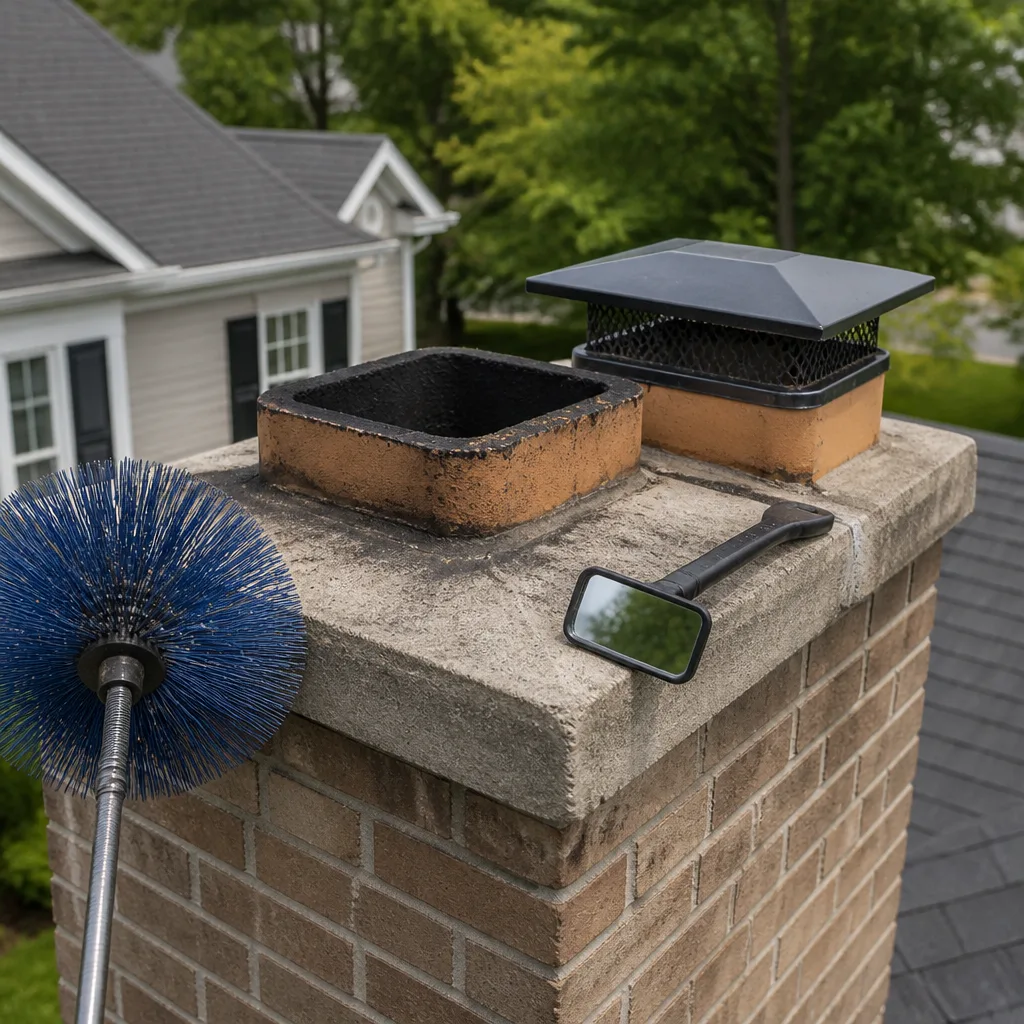 Sweep & inspection
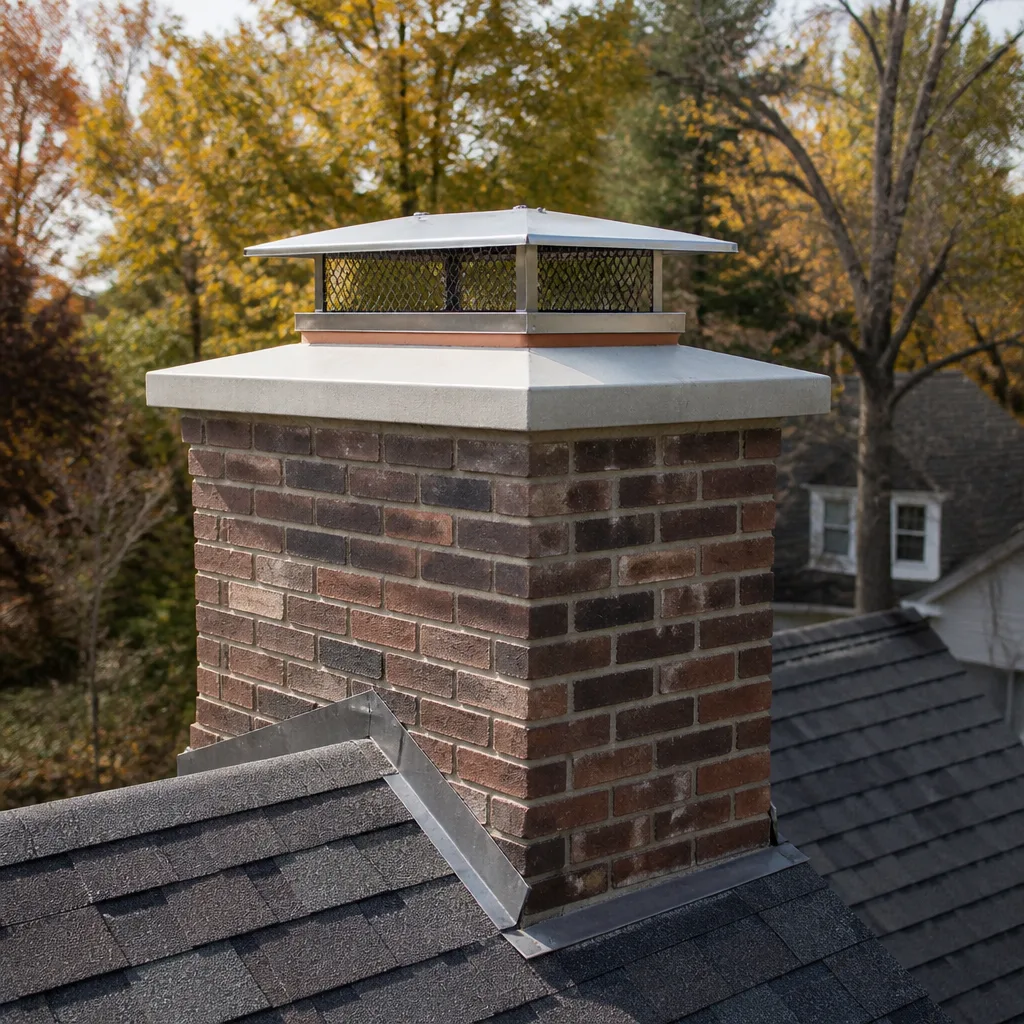 Caps & crowns
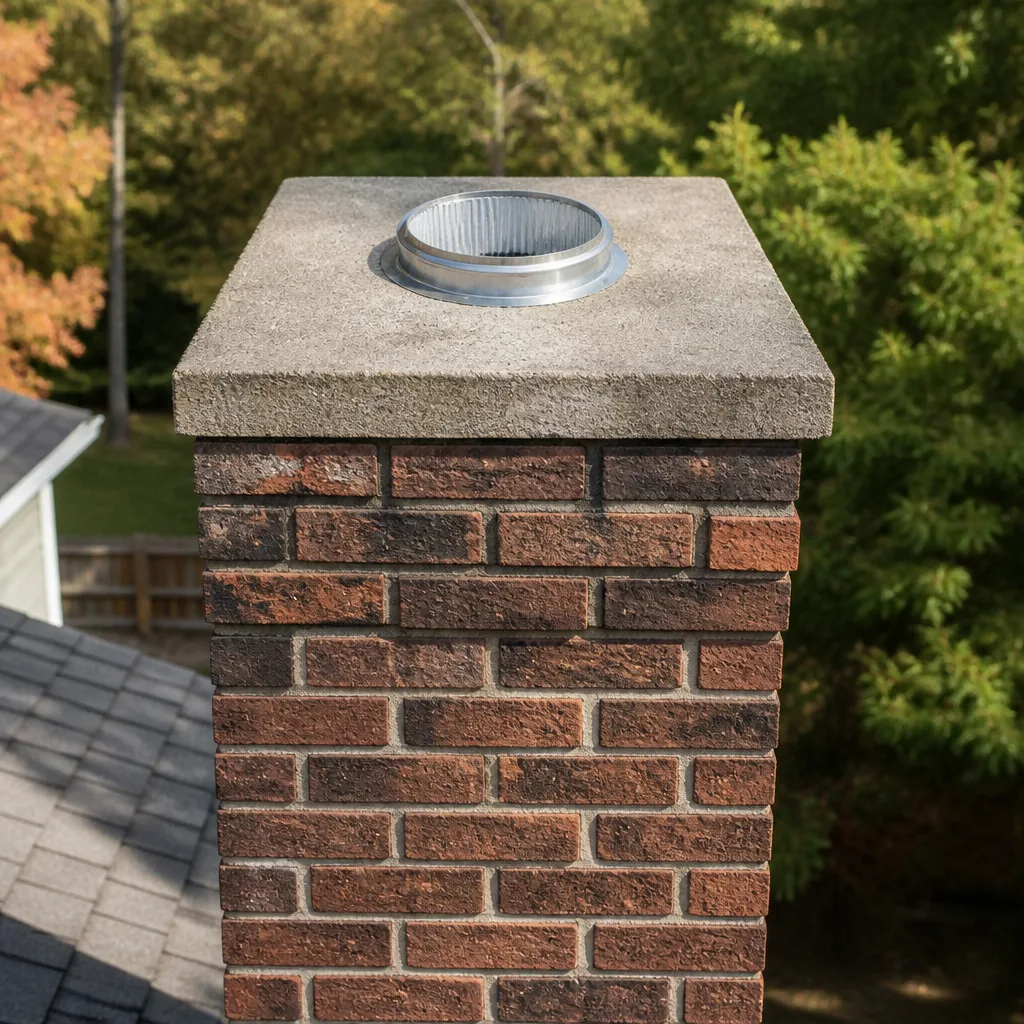 Flue relining
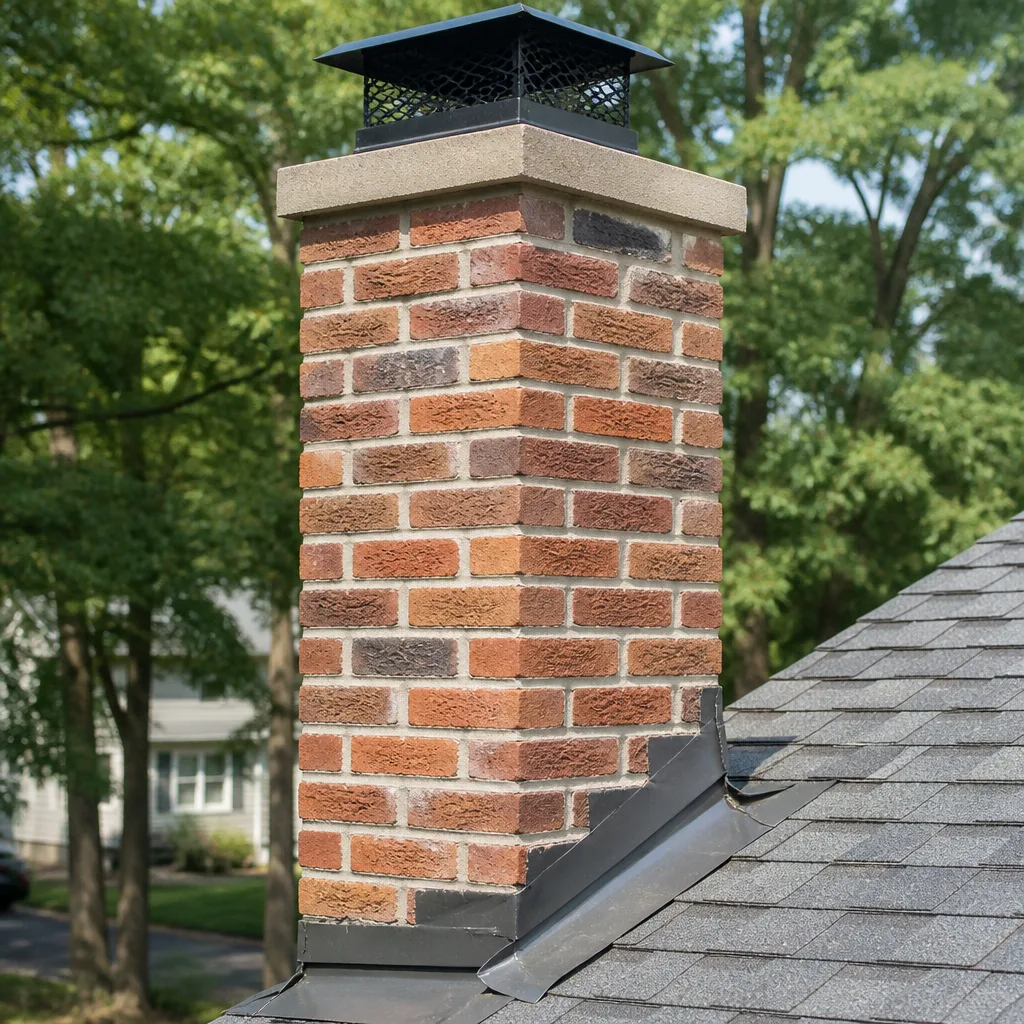 Masonry repair
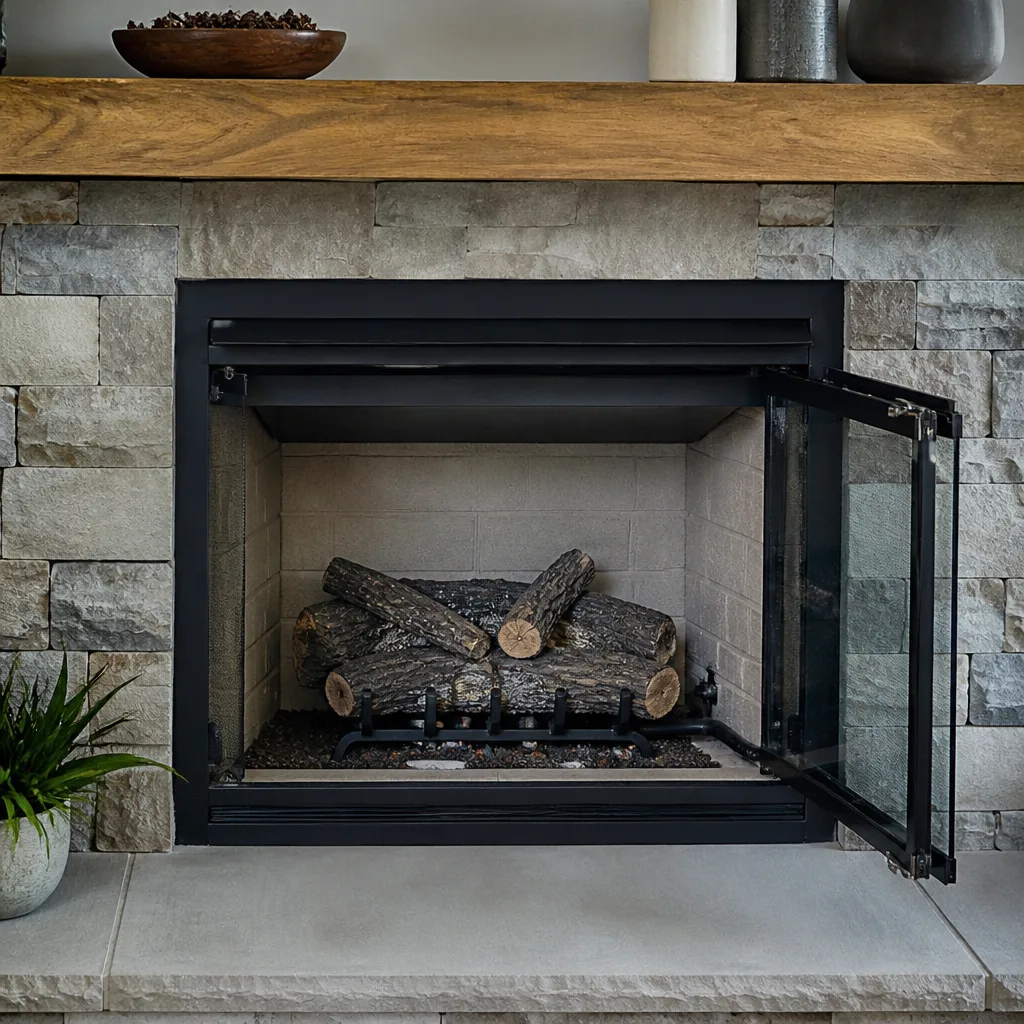 Gas fireplace service
Level 1 sweep and inspection to the NFPA 211 annual standard - flue, crown, cap, and flashing checked and photographed
Chimney sweep logs do not sweep chimneys. They loosen some creosote - which then falls where a brush and vacuum still have to collect it.
Chimney Cleaning Permits, Codes & Inspections in La Habra, CA: What You Need to Know
Most chimney work in La Habra is permit-free. Sweeping a flue, pulling a cap, checking a damper – none of that requires a building permit, and anyone who tells you otherwise is either confused or selling you something. But the moment a job crosses from cleaning into repair, the rules change. Relining a flue, rebuilding a chimney crown, replacing a firebox, altering a damper assembly – these are construction activities governed by California building code and administered locally through La Habra’s building department, with inspections that leave a paper trail. That paper trail matters more than most homeowners realize. This guide walks through where the permit line actually sits, what NFPA 211 requires, how Title 24 energy rules touch chimney components, and how to confirm a permit was pulled before you buy a house with a fireplace.
Quick Answer
Routine chimney cleaning in La Habra does not require a permit. Structural chimney work – relining, crown or masonry repair, firebox replacement, and damper modification – generally does require a building permit from the City of La Habra and inspection against California code, with NFPA 211 as the governing technical standard. Unpermitted chimney repairs can complicate insurance claims and cloud a home sale, so confirming the permit record is worth the five minutes it takes.
Styles & brands we work with
- Sweep & inspection
- Caps & crowns
- Flue relining
- Masonry repair
- Gas fireplace service
Table of Contents
- Where the Permit Line Sits in La Habra
- What NFPA 211 Is and Why It Governs Your Chimney
- How Title 24 Touches Dampers and Fireboxes
- The Three Levels of Chimney Inspection
- How to Verify Permit and Inspection Records
- The Insurance Disclosure Question
- What La Habra’s Climate and Housing Stock Mean for Chimney Work
- How to Vet the Contractor Doing the Work
Where the Permit Line Sits in La Habra
The single most useful distinction for a La Habra homeowner is this: cleaning is maintenance, and repair is construction. Maintenance doesn’t need a permit. Construction usually does.
The reason it’s worth knowing is that the two categories look similar from the driveway. A technician on the roof with a brush and a technician on the roof with a trowel are doing very different things from a code standpoint, and only one of them should be producing a permit application.
Here’s the breakdown as we apply it when scoping work:
- Permit-exempt (routine maintenance): sweeping the flue, removing creosote, inspecting the firebox and smoke chamber, installing or replacing a chimney cap, removing a bird or squirrel nest, checking and adjusting a damper’s operation, minor mortar pointing on accessible joints.
- Usually permitted (structural or system-altering): installing or replacing a flue liner, rebuilding a chimney crown, removing and rebuilding a firebox, repairing or replacing a chimney above the roofline, altering a damper assembly, changing a wood-burning appliance to gas or the reverse, installing a new appliance or venting system.
The gray zone is where homeowners get into trouble. A crack in the crown that gets sealed with a coating is often treated as maintenance. That same crown removed and poured new is a repair and typically needs a permit. Liner work is the clearest example: a full reline changes the venting system of the house, and California treats it as construction.
La Habra’s building department is the authority that answers this for any specific address, and a phone call before work begins is always cheaper than discovering later that a permit was skipped. When we scope a job in La Habra, we tell the homeowner plainly which side of the line the work falls on and let them decide how to proceed. If you’re trying to figure out whether what you’re facing is cleaning or repair, our chimney sweep page covers the maintenance side of the equation.
What NFPA 211 Is and Why It Governs Your Chimney
NFPA 211 is the National Fire Protection Association’s standard for chimneys, fireplaces, vents, and solid fuel-burning appliances. It is the technical backbone behind almost every chimney code provision in California, and local inspectors reference it when they evaluate whether a chimney system meets minimum requirements.
What does that mean in practice? When an inspector looks at your flue, they aren’t evaluating aesthetics. They’re checking clearances to combustibles, flue sizing relative to the appliance, liner integrity, crown condition, and the height of the chimney termination relative to the roof. Those criteria come from NFPA 211, adopted by reference into state and local code.
For a homeowner, the practical takeaways are:
- A flue that is undersized for the appliance it serves is a code issue, not just a performance issue.
- Clearances to combustible framing and roofing materials are specified in the standard, and a chimney that has shifted or been modified can fall out of compliance.
- A liner with cracks, gaps, or missing sections fails the standard regardless of how well the chimney draws.
- Chimney height and termination requirements matter for draft and for code compliance – you can’t shorten a chimney to improve the roofline without creating a problem.
We reference NFPA 211 openly when we’re writing an inspection report because it gives the homeowner something concrete to check. If a contractor tells you a flue “looks fine” without mentioning clearances, liner condition, or sizing, they haven’t really inspected it. Our chimney repair page goes into how we handle repairs once the standard has identified a failure.
How Title 24 Touches Dampers and Fireboxes
California’s Title 24 energy code is written for building performance, and its reach extends into the fireplace opening more often than homeowners expect. The code’s concern with chimneys is straightforward: a chimney is a hole in the building envelope, and an open damper is a hole that leaks conditioned air out of the house year-round.
When work touches the damper or firebox, Title 24 compliance enters the conversation. A few scenarios where this comes up:
- Damper replacement: Replacing a damper during a firebox rebuild is an opportunity to install a tighter-sealing assembly, and inspectors may look for compliance with current energy provisions rather than the original 1970s hardware.
- Firebox modification: Resizing or rebuilding a firebox affects the appliance’s interaction with the venting system, and the change has to be evaluated against both NFPA 211 and Title 24.
- Converting a wood-burning fireplace to gas: This is the most common Title 24 trigger in older La Habra homes. The venting and the appliance both change, and the energy code’s requirements for the assembly apply.
- Adding a fireplace insert: Inserts are governed by their own listing and installation instructions, which reference both venting standards and energy requirements.
If your contractor’s answer to a damper question is “we’ll just swap it out,” that’s a sign they haven’t thought about compliance. A damper change that doesn’t respect the energy code can be flagged during a home sale inspection years later.
La Habra has a significant number of homes built in the mid-20th century where the original firebox and damper are still in place. The hardware has aged out, and it’s tempting to replace like-for-like. That’s fine if it’s done with components that comply with current requirements. It’s a problem if it’s done with whatever fits.
The Three Levels of Chimney Inspection
Not every inspection is the same inspection. The chimney industry recognizes three levels, and which one applies depends on what’s happening with the chimney and the home.
- Level 1 Inspection. A visual check of readily accessible portions of the chimney and appliance, with the fireplace in normal use. This is the annual inspection that pairs with a cleaning. It verifies basic condition, checks for obvious blockages, and confirms the appliance is burning correctly.
- Level 2 Inspection. Everything in Level 1, plus a closer examination of accessible portions of the chimney’s interior and exterior, often with a camera. This is required when a property changes hands, when an appliance or fuel type changes, after an event that could have damaged the chimney (a chimney fire, a seismic event, a lightning strike), or after a significant weather event.
- Level 3 Inspection. Everything in Level 2, plus examination of concealed areas, which may require removing parts of the chimney or adjacent construction. This is diagnostic – it’s used when a Level 2 inspection has identified a problem that can’t be evaluated without opening the assembly.
For a La Habra homeowner preparing to sell, the Level 2 is what buyers, their inspectors, and their insurers will expect to see. For a homeowner who simply burns a cord of wood a season and wants to stay safe, the annual Level 1 is the baseline. The Level 3 is rare and always triggered by a specific question, not scheduled in advance.
The camera matters. Levels 1 and 2 done properly include interior visualization, and that’s what catches cracked flue tiles the naked eye can’t see from the roof. When we inspect a chimney, the camera report is part of what the homeowner receives – not a verbal summary. Our La Habra Chimney Sweep Pros team handles all three levels.
How to Verify Permit and Inspection Records
If you’re buying a home in La Habra and there’s a fireplace, this is the step most buyers skip. Verifying that chimney repairs were permitted is a five-minute process, and it can save a significant headache after closing.
Los Angeles County and the City of La Habra both maintain online permit portals. The process:
- Get the property address and, ideally, the assessor’s parcel number (APN). The seller’s disclosure package or the title report will have it.
- Search the city’s permit database for the address. La Habra has its own building department, so the search starts there rather than with the county.
- Look for permits related to chimney, fireplace, or venting work. Any permit issued for a reline, a firebox rebuild, a crown replacement, or an appliance change should show an inspection record with a final sign-off.
- A permit that was pulled but never signed off is a red flag. It means the work either wasn’t completed or wasn’t inspected, and the buyer inherits the problem.
- If the permit database shows nothing but the disclosure says chimney repair was done, ask the seller for the contractor’s name, invoice, and permit number. Legitimate repair contractors provide these.
- If the trail comes up empty, budget for a Level 2 inspection before you close as a condition of sale.
This is also useful for homeowners who aren’t selling. If a previous owner had chimney work done and you’re not sure whether it was permitted, checking the record is the only way to know. An unpermitted reline that was never inspected is an unknown quantity, and the cost of a Level 2 inspection is trivial compared to relining a chimney again.
The Insurance Disclosure Question
Here’s the part most contractors won’t volunteer. If a chimney repair was performed without a permit and the home later suffers a fire originating in that flue, the insurer’s investigation will look at whether the work was permitted and inspected. An unpermitted repair can become grounds for disputing coverage, which is the kind of problem that surfaces months after the fire, when you’re already in a bad spot.
The mechanics are straightforward. Most homeowner policies exclude losses that stem from faulty workmanship, and they contain language requiring code-compliant construction. Whether a specific claim gets paid depends on the policy and the investigation, but the question of whether the chimney work was permitted is absolutely one the insurer will ask.
Two practical steps protect you:
- Before any chimney repair, ask the contractor whether a permit is required. If the answer is anything other than a clear yes or no with a reason, get a second opinion.
- After the work, keep the paperwork. Permit number, inspection sign-off, contractor’s invoice with a scope of work, and the photos from the inspection. All of it belongs in the file with your home’s other records.
When you sell the home, the seller’s disclosure form will ask about alterations and repairs. Chimney work done without a permit still has to be disclosed, and that disclosure becomes a negotiating point with the buyer. The cleanest path is to permit what needs permitting so the disclosure is boring.
If you’re unsure whether past work was done correctly, our fireplace repair page covers how we evaluate existing firebox and damper conditions during an inspection.
What La Habra’s Climate and Housing Stock Mean for Chimney Work
La Habra sits in the eastern edge of Los Angeles County, up against the Puente Hills, with warm dry summers and mild, occasionally rainy winters. That pattern shapes chimney problems in ways that differ from colder parts of the state.
The dry season matters more than the wet one for chimney condition. Long stretches without rain let masonry dry out, which is good, but the UV exposure and heat cycling slowly degrade crown material and mortar joints. The rain, when it does come, often arrives in concentrated storms rather than spread-out drizzle. A chimney crown that’s already cracked lets that water in during the few storms that actually happen, and the resulting damage happens faster than homeowners expect.
That’s why cap and crown work matters as much as sweeping. The top of the chimney is the entry point for most moisture damage, and it’s also the part most sweep-only crews ignore. We carry Gelco and Copperfield crown materials and Olympia Chimney caps because the components need to survive the specific combination of heat, sun, and seasonal rain this area produces.
The housing stock adds another layer. La Habra has a lot of single-story and two-story homes from the postwar through 1980s eras, with masonry fireplaces that were built to the standards of their time. Many still have their original clay tile liners. Those liners are the component that fails first, and they fail in ways you can’t see from the firebox. HeatShield resurfacing can often restore a deteriorated but structurally intact liner without demolition, and DuraFlex flexible liners can properly reline chimneys with bends that rigid liner systems can’t navigate. Famco components fill in the rest of the assembly when a repair needs to integrate with existing parts.
Neighborhood to neighborhood, the problems are similar: liners that are past their service life, crowns that have cracked, and caps that were never installed or have blown off. The fix is the same, and it’s the same fix whether you’re near the hills or closer to Beach Boulevard. The one constant is that the inspection has to be the starting point. Nothing gets recommended before we’ve seen the actual condition with a camera.
How to Vet the Contractor Doing the Work
Chimney work is a specialized trade, and not every roofer or general handyman who offers to “take a look” should be doing it. The questions below are the ones we’d ask if we were hiring someone.
- Are you equipped to pull a permit for this work? A contractor who can’t or won’t pull permits for permitted work is a contractor to walk away from.
- Do you perform all the work yourself, or do you sub out repairs? A single company accountable for the entire chimney from inspection through repair is a meaningful distinction.
- What brands and materials do you use? Named professional-grade products – HeatShield, DuraFlex, Gelco, Olympia Chimney, Famco, Copperfield – indicate a contractor working to standard rather than buying whatever’s at the local hardware store.
- Will I get a camera report? A real inspection produces images you can see, not a verbal description.
- What inspection level does this work call for? If the contractor can’t tell you the difference between Level 1 and Level 2, they’re not qualified for a sale-related inspection.
- Can you tell me what does NOT need to be done right now? A contractor who can name the parts of the system that are fine is more credible than one who finds a problem in every joint.
Our technicians have up to 14 years of experience, and the pattern we see across that work is consistent: the contractor who puts findings in writing and shows the homeowner the images is the contractor worth keeping.
Common Mistakes to Avoid
- Assuming a cleaning includes an inspection. A sweep who runs a brush through the flue and leaves hasn’t inspected anything. Ask explicitly what level of inspection is included and whether you’ll receive a report.
- Letting a reline happen without a permit. This is the mistake with the most expensive downstream consequences. In La Habra, a full reline should come with a permit and a signed-off inspection. If the contractor says it isn’t necessary, ask why in writing.
- Confusing a crown coat with a crown rebuild. A coating over a cracked crown is a stopgap, not a repair. If the crown is failing structurally, the coating buys a season or two, not a decade.
- Skipping the permit search before buying a house with a fireplace. Buyers routinely accept a seller’s word that a “chimney was recently serviced.” Checking the permit record is the only way to know what work was actually done and whether it was inspected.
- Not keeping chimney work with the home’s records. When you sell, the disclosure form asks about repairs. Having the permit number, inspection sign-off, and invoice makes that disclosure a non-issue.
- Assuming gas fireplaces don’t need chimney care. Gas fireplaces vent through the same system and need inspection too. The failure modes are different but the consequences of a bad flue are the same.
- Hiring a sweep who won’t name the standard. If a contractor can’t tell you what NFPA 211 says about the condition they’re describing, they’re not qualified to be recommending repairs.
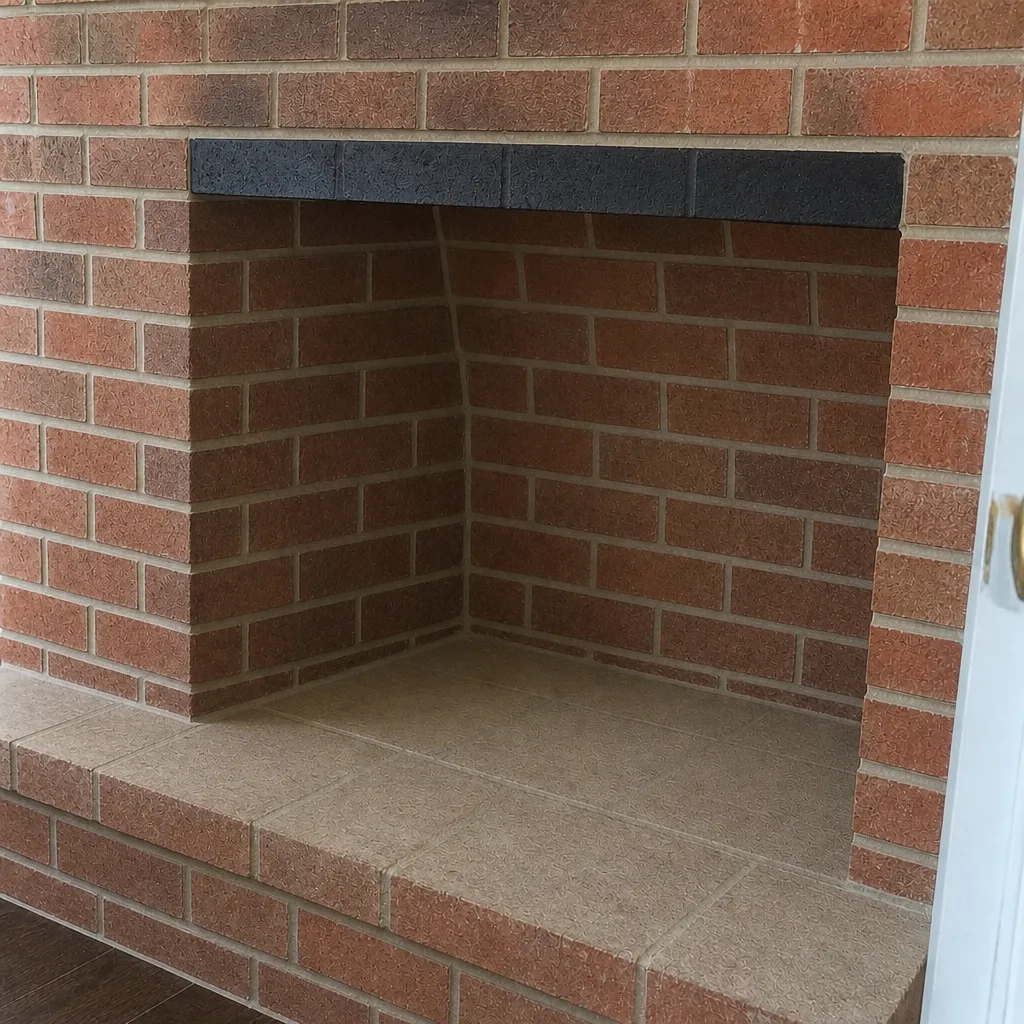
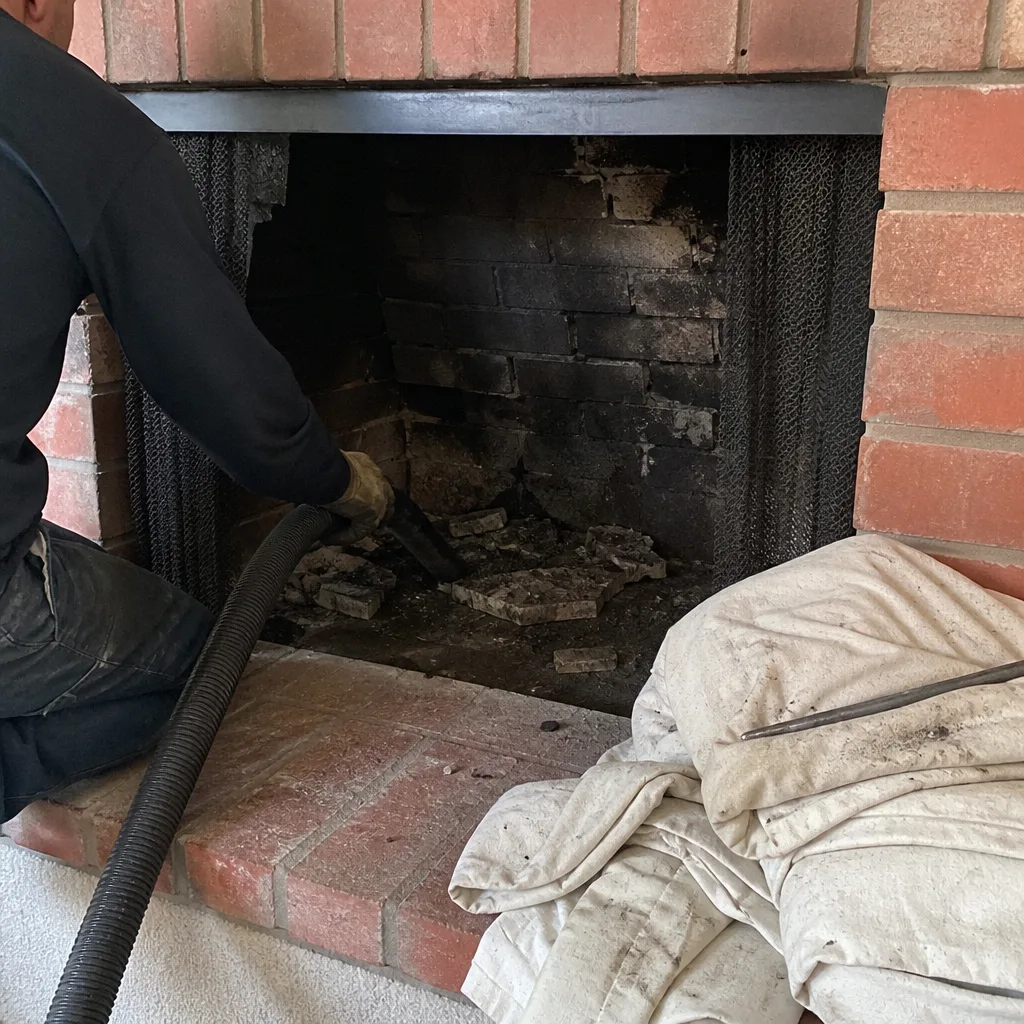
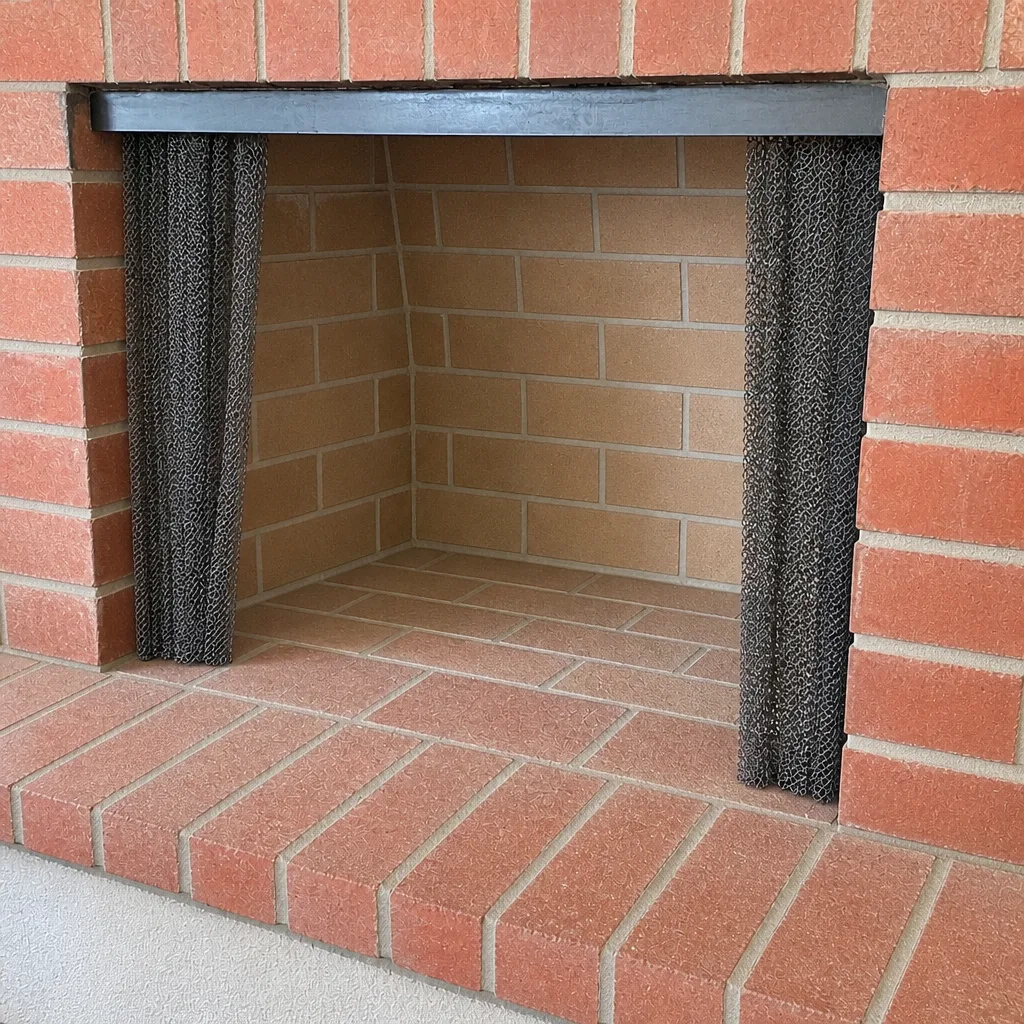
See the difference
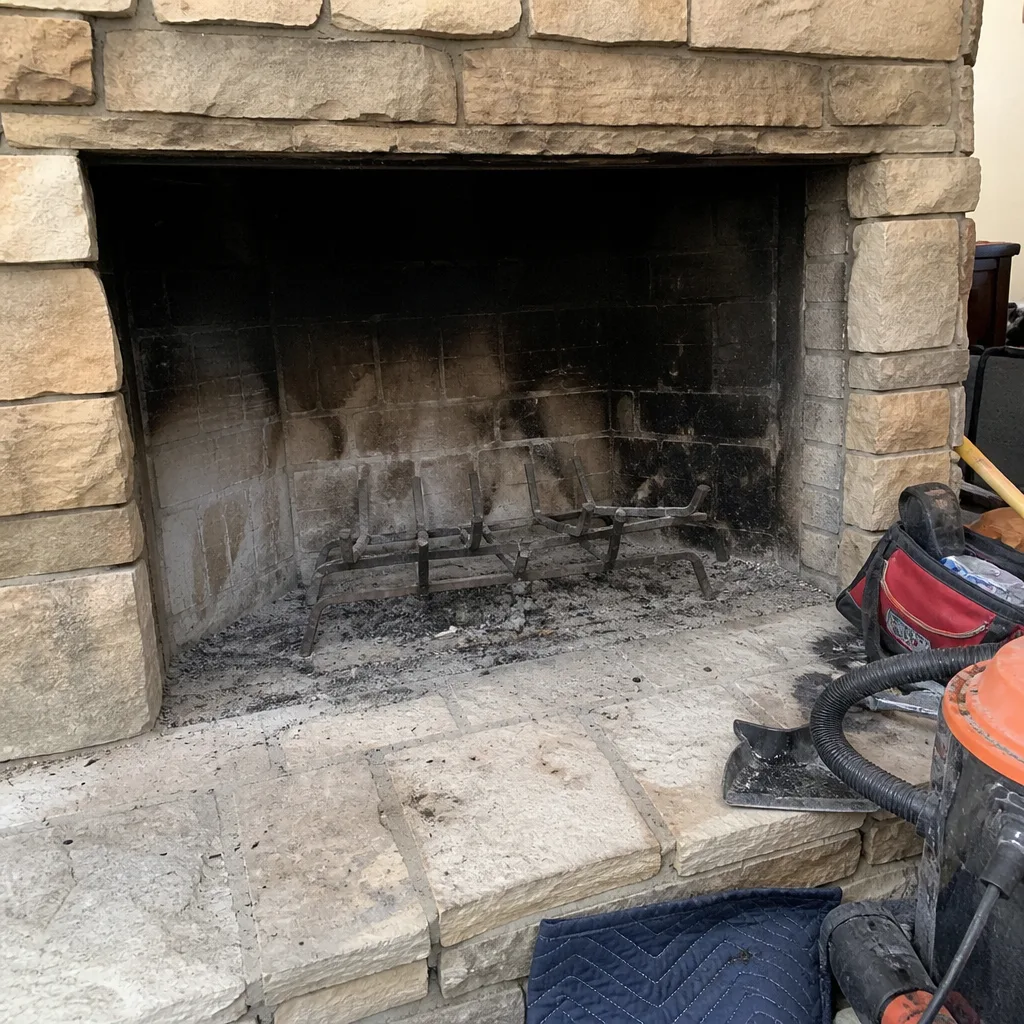 Before
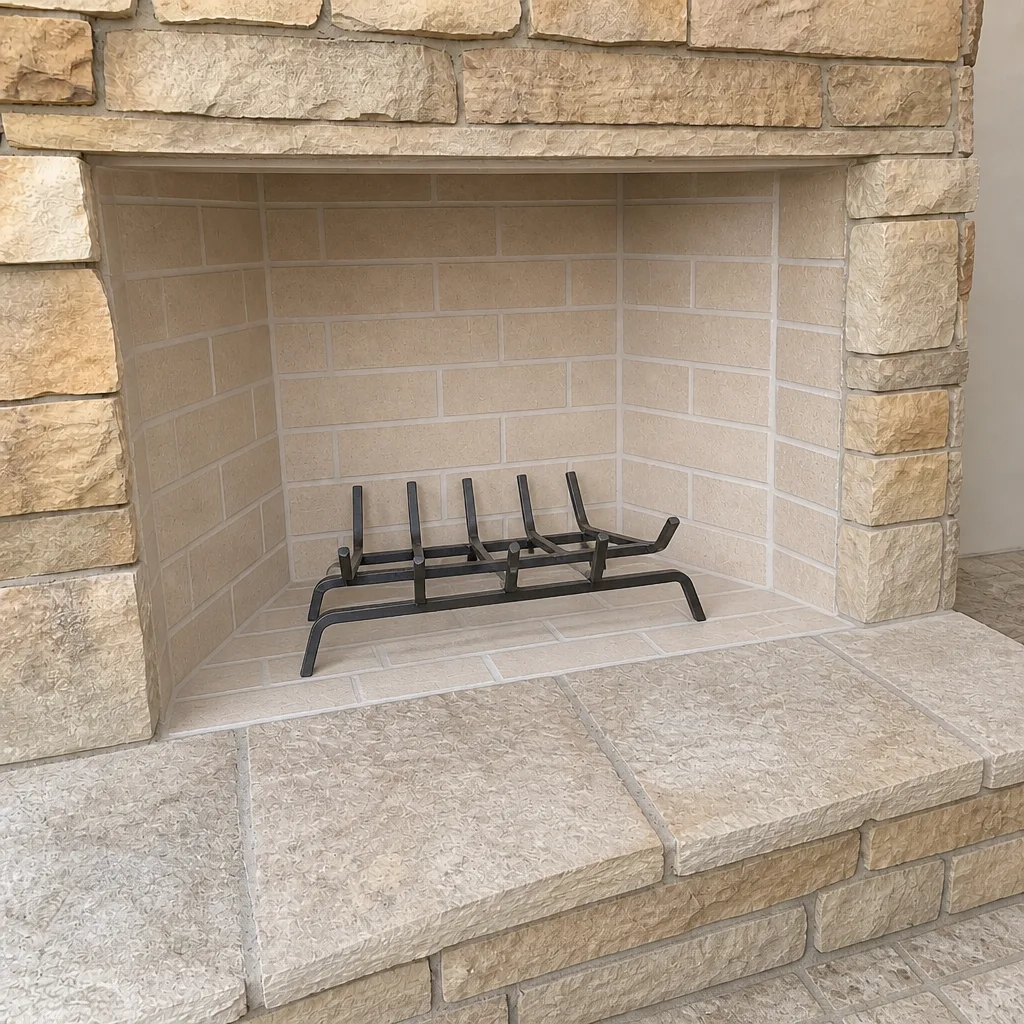 After
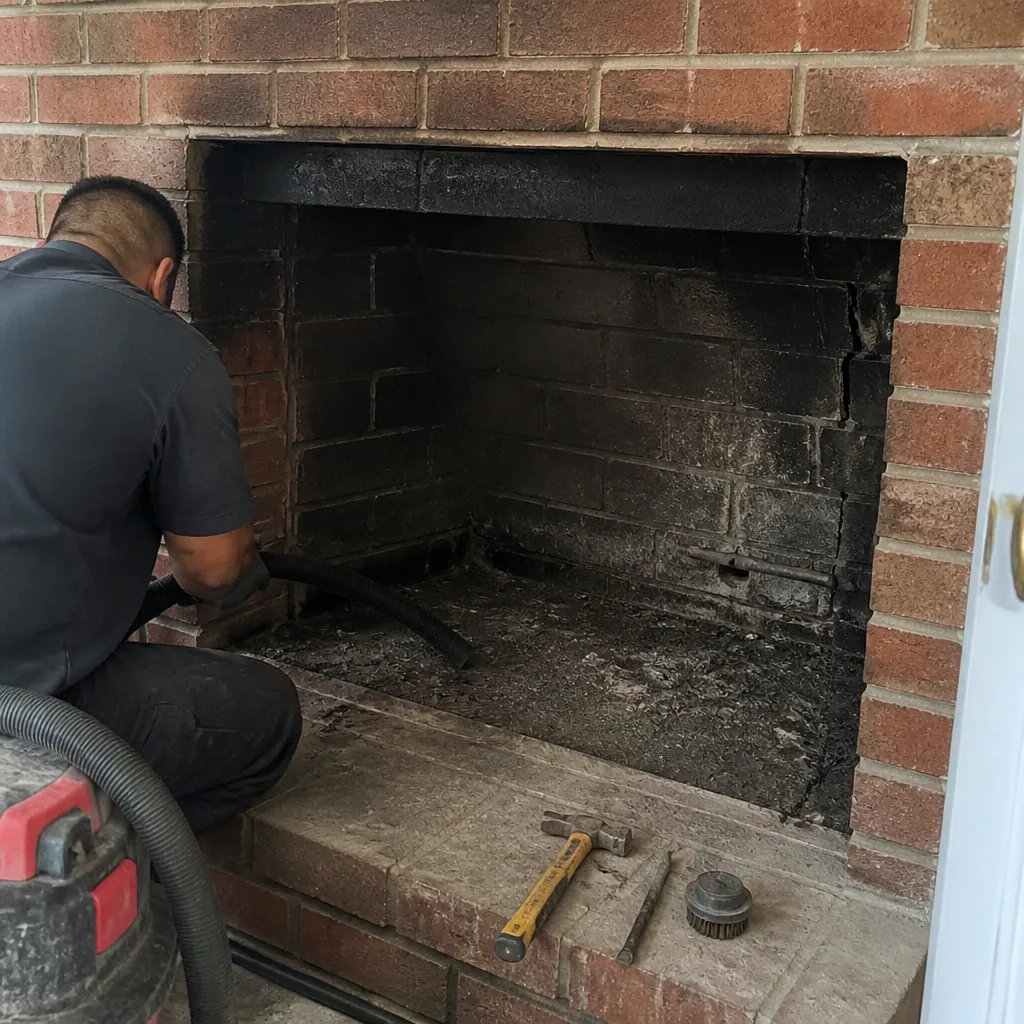 Before
 After
 Before
 After
When to Call a Professional
A chimney is a venting system, not a decorative feature, and some conditions call for immediate attention. Call a professional if you smell smoke in the house when the fireplace isn’t in use, if the firebox has visible cracks, if the chimney crown is broken or missing mortar, if a cap has come off or a bird or animal is in the flue, if you’ve had a chimney fire (even a small one), or if you’re preparing to sell and need a Level 2 inspection with a written report. If your last cleaning was more than a year ago and you burn regularly, it’s time. La Habra Chimney Sweep Pros offers free estimates in La Habra – call (855) 337-1997.
Frequently Asked Questions
No. Chimney cleaning is maintenance and doesn’t require a building permit in La Habra or anywhere in Los Angeles County. Permits attach to repair and alteration work – relining, crown rebuilding, firebox replacement, damper modification – not to sweeping. If a cleaning uncovers a repair need, that’s when the permit question begins. Call (855) 337-1997 for an exact quote – estimates are free.
Yes, in almost every case. Replacing a flue liner changes the venting system of the home, which California treats as construction rather than maintenance. That means a building permit from the City of La Habra and inspection of the completed work against code. An unpermitted reline can create insurance complications and a resale problem. Call (855) 337-1997 for an exact quote – estimates are free.
NFPA 211 is the national standard for chimneys, fireplaces, and solid fuel appliances, and it’s the technical basis for most California chimney code provisions. Local inspectors reference it when evaluating clearances, liner condition, flue sizing, and chimney height. A contractor who can’t describe what the standard requires isn’t in a position to tell you whether your chimney complies. Call (855) 337-1997 for an exact quote – estimates are free.
Search the City of La Habra’s online permit database using the property address, and look for permits related to chimney, fireplace, or venting work with a final inspection sign-off. A permit pulled but never signed off is a warning sign. If the record shows nothing but the home has obviously had chimney work, ask the seller for documentation before you close. Call (855) 337-1997 for an exact quote – estimates are free.
It can. Most policies exclude losses stemming from faulty workmanship and require code-compliant construction, so a fire originating in an unpermitted, uninspected flue can become a coverage dispute. Keeping the permit number, inspection sign-off, contractor invoice, and inspection photos in your home’s records protects you. Call (855) 337-1997 for an exact quote – estimates are free.
Once a year for a Level 1 inspection if you burn regularly, and a Level 2 anytime the property changes hands, the appliance or fuel type changes, or a chimney fire or seismic event may have caused damage. The annual inspection pairs naturally with the annual cleaning. Call (855) 337-1997 for an exact quote – estimates are free.
The Bottom Line
The permit line in La Habra is cleaner than most homeowners expect: cleaning is maintenance and doesn’t need a permit, while repair and system alterations do. What makes the distinction worth knowing is what happens downstream of skipping it – insurance complications, resale problems, and an unknown quantity inside the flue you can’t see. NFPA 211 is the standard the inspector is applying, Title 24 energy rules attach to damper and firebox changes, and a Level 2 inspection with a camera report is the documentation you need at resale. If you’re unsure where your chimney falls on the permit line, the first step is a proper inspection. Our team works with HeatShield, DuraFlex, Gelco, Olympia Chimney, Famco, and Copperfield to fix what the inspection finds, without handing the job off to another contractor. Call (855) 337-1997. We answer 24/7. Fast dispatch from 7am to 7pm, Sunday through Friday.
Written by the team at La Habra Chimney Sweep Pros.