
Last updated November 25, 2026
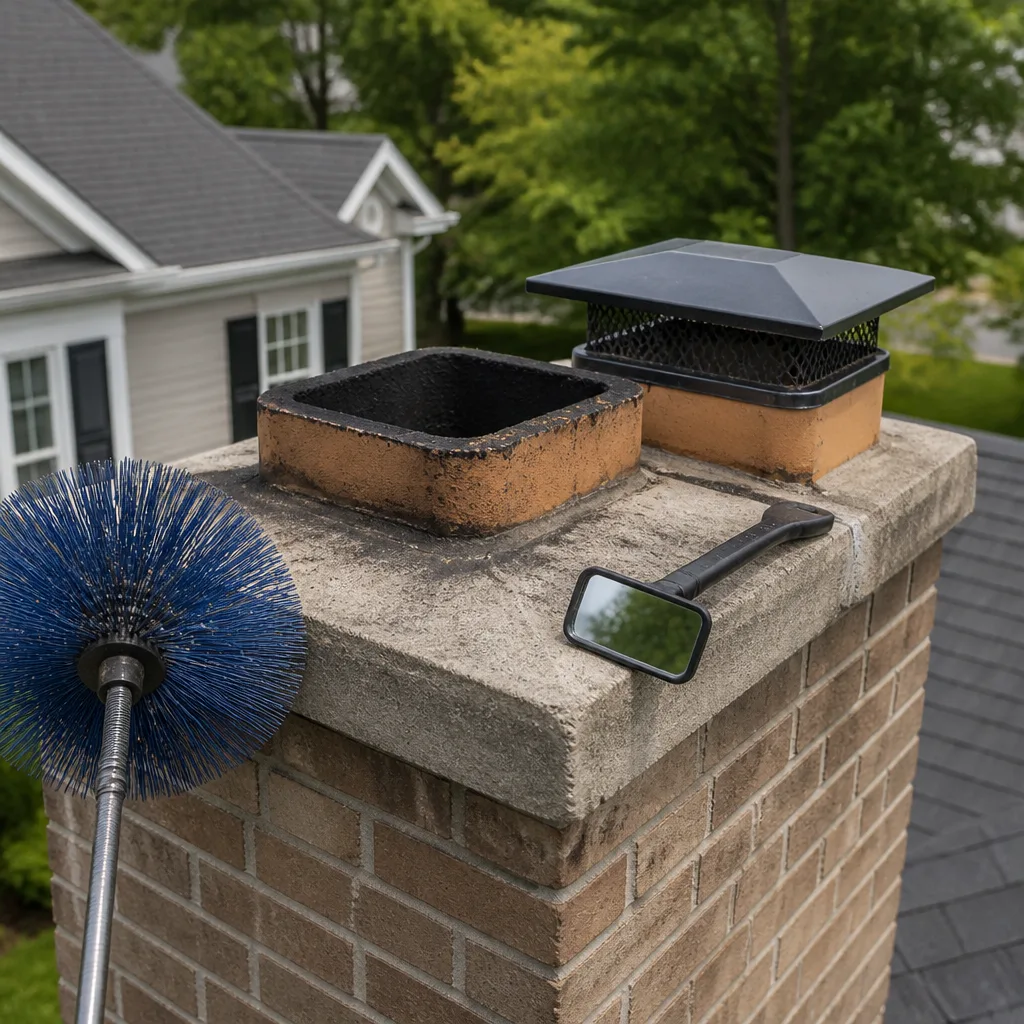 Sweep & inspection
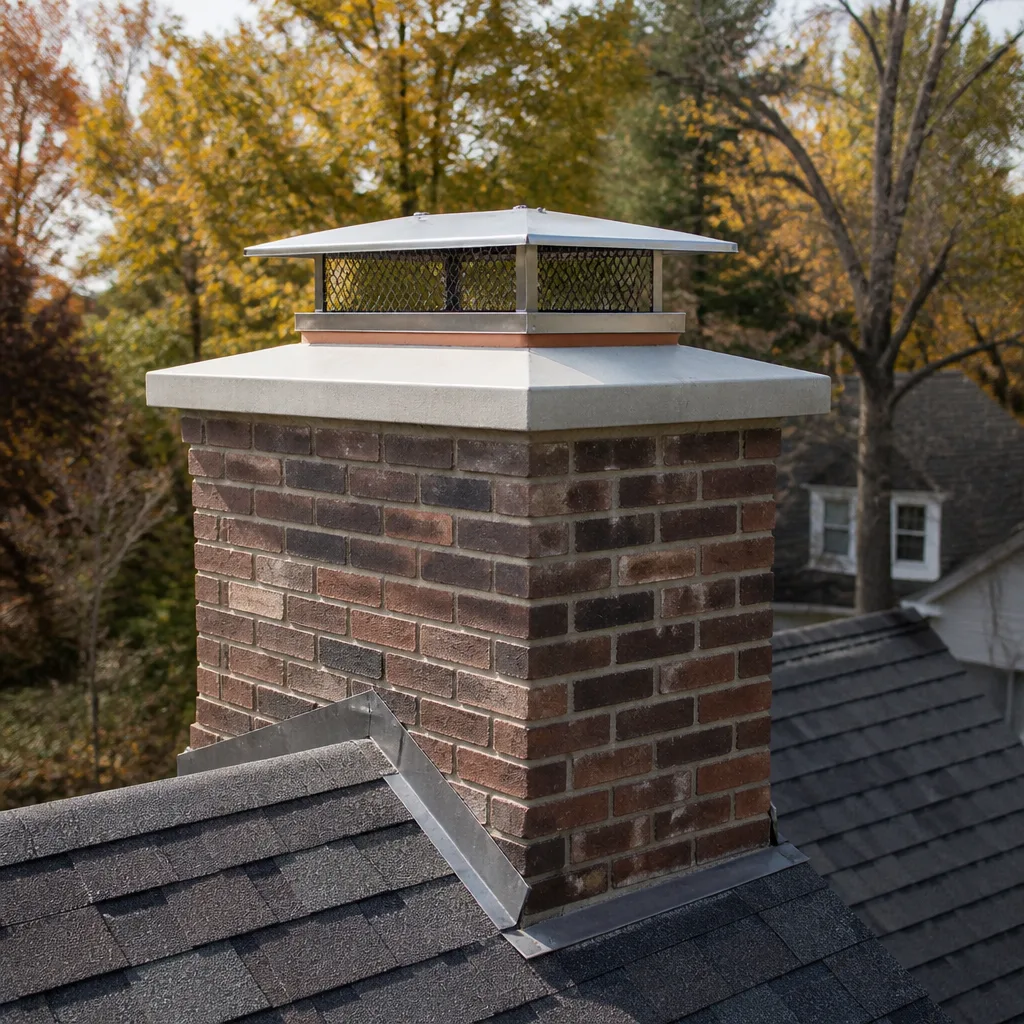 Caps & crowns
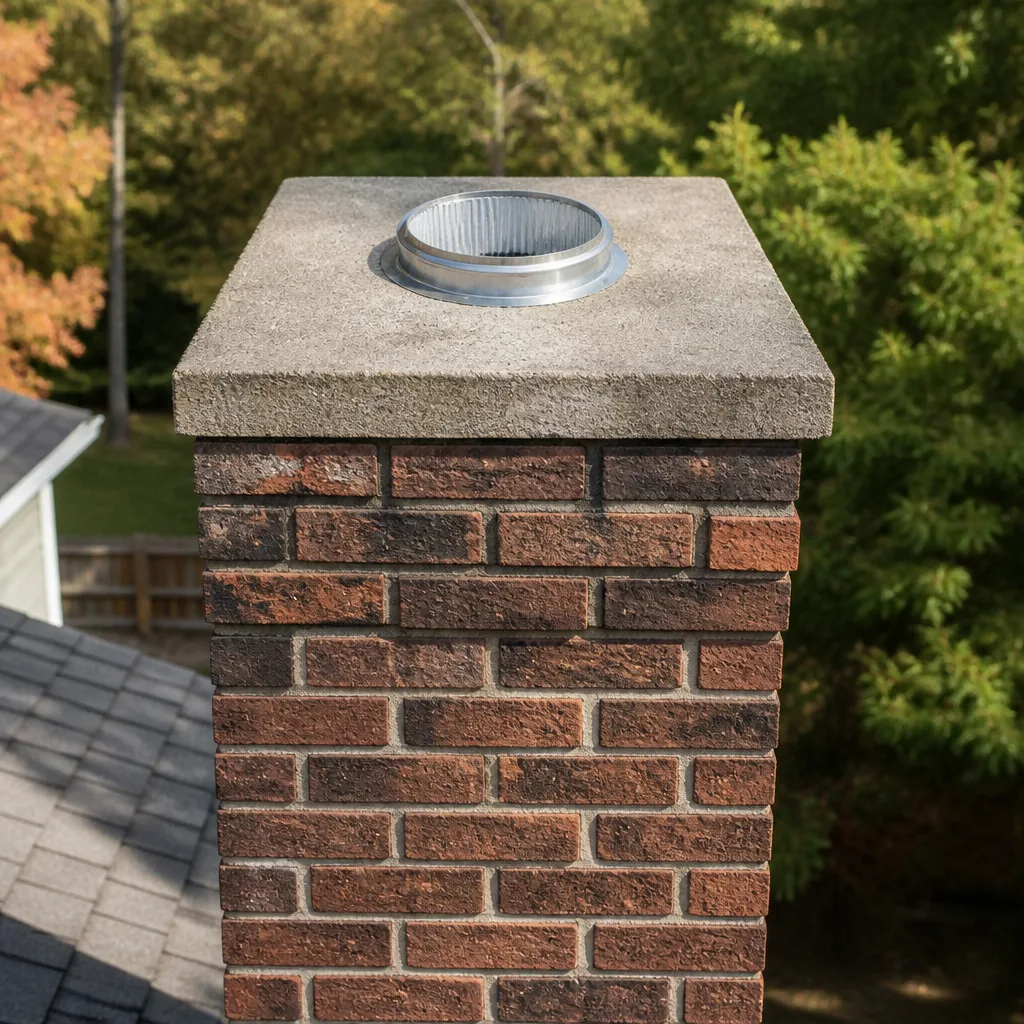 Flue relining
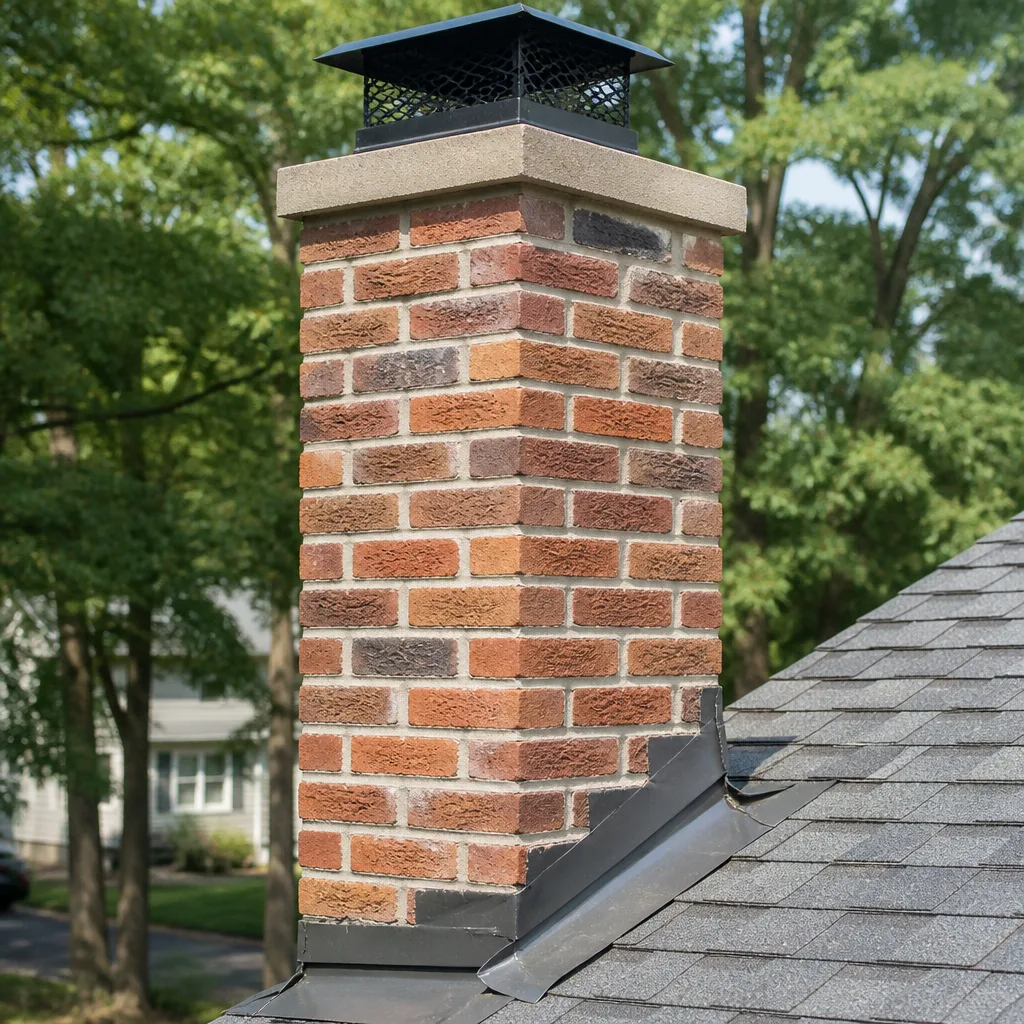 Masonry repair
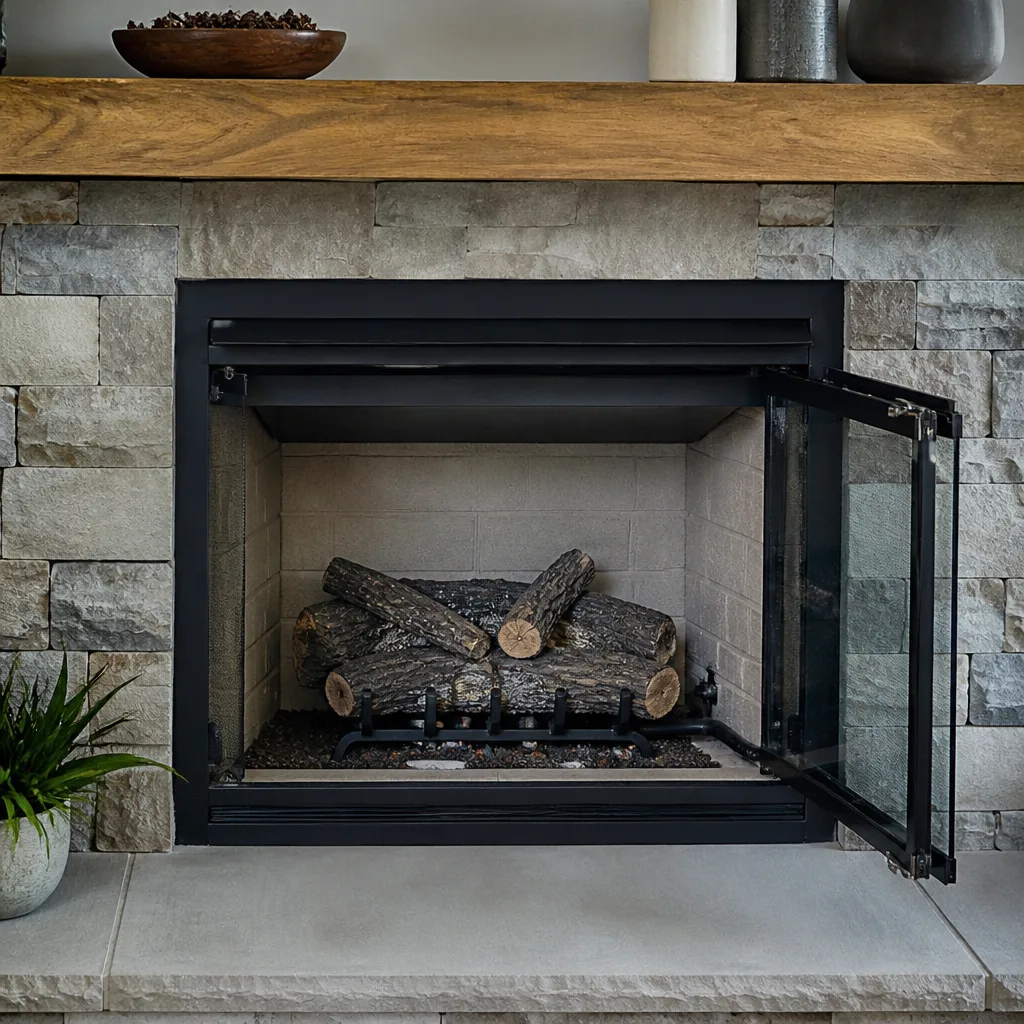 Gas fireplace service
Level 1 sweep and inspection to the NFPA 211 annual standard - flue, crown, cap, and flashing checked and photographed
Chimney sweep logs do not sweep chimneys. They loosen some creosote - which then falls where a brush and vacuum still have to collect it.
Chimney Sweep Troubleshooting in La Habra: Common Problems and How to Fix Them
Smoke curling into your living room usually gets blamed on a dirty flue. In La Habra homes, that’s often the wrong diagnosis. The more common cause is negative pressure: a tightly sealed house with modern windows and weatherstripping that starves the fire of combustion air and pulls smoke backward down the chimney. Creosote may be fine. The draft is not.
That single mismatch between symptom and cause is why so many troubleshooting attempts cost money and solve nothing. This guide maps what you’re actually seeing to what’s actually causing it, with room for the local climate, the housing, and the way chimney systems really behave. By the end you’ll know how to describe your problem precisely, spot the problems you can safely handle, and recognize the ones that need a trained eye.
Quick Answer
Most chimney problems in La Habra fall into three families: draft problems (smoke backing up because of negative pressure or a blocked flue), moisture problems (a failing cap, crown, or flashing letting water into the masonry), and structural problems (cracked clay liners or damaged mortar). Draft and moisture issues are the most common, and the fix depends entirely on which one you have. Pinpointing the family first prevents paying for the wrong repair.
Styles & brands we work with
- Sweep & inspection
- Caps & crowns
- Flue relining
- Masonry repair
- Gas fireplace service
Table of Contents
- Smoke Backdraft vs. Draft Starvation vs. Blockage: How to Tell Them Apart
- Why La Habra’s Dry Climate Creates Specific Chimney Problems
- Cap, Crown, or Flashing: Three Fixes With Very Different Price Tags
- A Safe Visual Check From the Firebox Opening
- When It’s DIY-Addressable and When It’s a Safety Issue
- Why an Annual Sweep and Inspection Solves Most Repeat Problems
- Cracked Liners: The Upstream Cause Behind Many Symptoms
- Why Problems Come Back: Root Cause vs. Symptom Fix
Smoke Backdraft vs. Draft Starvation vs. Blockage: How to Tell Them Apart
These three look similar on a cold evening and they’re not the same thing. Reading the pattern correctly before you call anyone saves a wasted service visit, and it gives a technician a running start.
Smoke backdraft is a puff of smoke that rolls out when you first light the fire, then clears once the flue warms. The chimney is cold and the column of warm air hasn’t established yet. A little backdraft at startup is normal. Persistent backdraft that continues after the fire is burning well points to a pressure or flue-size issue.
Draft starvation is a steady, weak pull. The fire burns lazily, the glass soots over, and smoke hangs in the room without a strong pulse. In La Habra homes this frequently comes from weatherization: new windows, added insulation, and tight door seals cut the air the fire needs. A house that used to draft fine starts struggling after a remodel. Opening a nearby window a crack to see if the fire picks up is the classic test, and it’s a safe one.
Blockage is a hard stop. Smoke has nowhere to go. A bird nest, a leaf pack, a collapsed liner chunk, or a fallen cap can block the flue. You’ll often smell a smoky, sour draft even when no fire is lit, or the fire will fight to stay lit at all.
Here’s the difference in one place:
- Backdraft: smoke at startup, then clears; smells fine when cold.
- Draft starvation: weak, lazy burn; smoke drifts rather than billows; improves with a cracked window.
- Blockage: no upward flow at all; fire struggles or dies; smoky smell when unlit.
Why La Habra’s Dry Climate Creates Specific Chimney Problems
Chimney guides written for humid climates spend a lot of space on things that don’t happen much here. La Habra sits in a warm, dry Southern California climate with mild winters, and that changes the failure pattern. The enemy isn’t constant damp. It’s the long dry stretch interrupted by the occasional wet storm, and the heat cycling that goes with it.
Clay tile liners are the classic example. In a dry climate the masonry and the clay tiles expand and contract at slightly different rates as the chimney heats and cools, and over many seasons this flexing can open hairline cracks in the tiles. Those cracks don’t announce themselves. You may notice a faint smell, a bit of white staining, or nothing at all until an inspection finds them. When a rare storm finally does drive water down the flue, those cracks give it a path into the surrounding structure.
The mild winter also means fires get lit less consistently. A chimney that sits unused for months collects debris and settles, and then the first fire of the season behaves oddly. That’s not necessarily a new problem. It’s an old one that only shows up under use.
If your chimney is showing that kind of age, a proper chimney repair assessment is worth the visit, because cracked liners are a safety issue, not a cosmetic one. Our technicians have up to 14 years of experience reading exactly these patterns in La Habra homes, and they’ll tell you plainly whether a crack is minor or urgent.
Cap, Crown, or Flashing: Three Fixes With Very Different Price Tags
Water in the chimney can come from three places above the roofline, and homeowners routinely mix them up. The fix for each is different, and so is the cost.
The chimney cap is the cover on top, usually a metal or mesh hood that keeps rain, birds, and debris out of the flue opening. A missing, rusted, or loose cap lets water and animals straight into the flue. Cap problems are the least expensive to resolve and among the most important to catch early. We install and repair caps from established professional-grade lines like Olympia Chimney and Copperfield so the fix holds.
The crown is the sloped concrete or masonry cap at the very top of the chimney structure, built to shed water away from the flue. A cracked crown lets water seep into the masonry itself, which is a bigger deal than a bad cap because the water travels into the chimney body. Crown repair or rebuild is more involved and costs more.
The flashing is the metal sealing where the chimney meets the roof. Failing flashing lets water run down the outside of the chimney into the attic and ceilings, and it’s often mistaken for a roof leak. This one gets confused with roofing work, and it’s the fix most likely to be misdiagnosed.
The critical thing: a bad cap, a cracked crown, and failing flashing all produce “water in the house” symptoms, but only the flashing problem usually shows up as a ceiling stain. Knowing which of the three you’re dealing with stops the plumber and roofer both showing up for a chimney problem.
A Safe Visual Check From the Firebox Opening
You can rule out the most common blockages without tools and without climbing anything. This check is about looking and listening from the firebox opening, never reaching up inside the flue and never lighting a fire to test it.
- Make sure the fire is out and the firebox is cool. Give it several hours, longer than you think.
- Open the damper fully. Confirm it actually opens. A damper stuck partway is itself a common cause of weak draft.
- Look straight up the flue with a flashlight. You’re checking for a clear line of sight, daylight if it’s daytime, or an open dark path. If you see a nest, a leaf pack, or a collapsed piece blocking the path, that’s your answer.
- Smell the flue. A strong, sour, smoky odor with no fire lit often points to a blockage or heavy creosote. A faint soot smell is normal.
- Check the firebox walls and damper frame for cracking, rust, or crumbling mortar. Note anything loose.
If step three shows a clear view and step five shows no obvious damage, the problem is more likely draft-related than a blockage, and a sweep-and-inspect is the right next move. If you see anything that looks like a blockage, stop. Don’t try to knock it loose from below, because dislodged debris can fall and a partial blockage can shift unpredictably. Call a professional to clear it safely.
This visual check also gives you precise language for the phone call. “I see daylight straight through and the fire still smokes” points a technician toward pressure and draft. “I can’t see any light” points toward a blockage. That precision is the whole point.
When It’s DIY-Addressable and When It’s a Safety Issue
A few chimney issues really are safe for a homeowner to handle. The rest are not, and the line between them is clear if you know where it is.
Reasonable to handle yourself: adjusting the damper for a better burn, opening a nearby window to relieve negative pressure, keeping the area around the hearth clear, and removing clutter from the firebox. Those are habits, not repairs. If your damper is stiff or not opening fully, a simple adjustment is often all that’s needed and it’s within reach.
Leave to a trained professional: anything inside the flue, anything involving the crown or the masonry structure, and anything electrical or gas-related. Cracks you can see but not reach, a blockage you can’t safely clear, and a flue that needs relining are all inspection findings, not weekend projects. Reaching up a flue blindly is how hands and faces get hurt, and dislodging a blockage from below is how it ends up somewhere worse.
Most cities require a permit for structural chimney changes, so when in doubt ask your city’s building department before any masonry work.
One more category deserves its own mention: gas fireplaces. If you have a gas log set or a gas insert, troubleshooting stops at the damper and the visible flame. Gas line work, venting corrections, and any repair to a gas appliance belong to a professional who is trained for it.
In our experience the safest rule is simple. If the question is “should I adjust this?” you can probably handle it. If the question is “should I reach into it, take it apart, or light it to see what happens?” call a professional. You can find that help through our fireplace repair service when the firebox itself is the concern.
Why an Annual Sweep and Inspection Solves Most Repeat Problems
Most “repeat” chimney problems aren’t repeats at all. They’re the same underlying cause going unaddressed while different symptoms get treated. An annual sweep and inspection attacks the cause directly.
The sweep clears creosote and debris so the flue can do its job. The inspection, done at the same visit, looks at the parts a sweep alone doesn’t touch: the liner, the crown, the cap, the flashing, and the firebox. Because La Habra homes see mild, dry winters with occasional wet storms, the inspection matters as much as the cleaning. Creosote accumulation on a less-used chimney still happens, and it’s worth removing before the next burn season rather than after a problem shows up.
The value is in the pairing. Sweeping without inspecting misses a cracked crown. Inspecting without sweeping leaves the flue loaded. Doing both at once is how a single visit gives you the true condition of the chimney, and that’s the “inspected, cleaned, and protected” approach we take on a La Habra chimney sweep.
When you skip it, the cost isn’t immediate. Creosote keeps building, a small crown crack keeps letting water in, and a hairline liner crack keeps widening. By the time a symptom is loud enough to notice, the fix is bigger than it would have been. An annual visit is the least expensive way to keep a chimney system honest.
What to expect on the visit:
- A sweep to clear the flue.
- A Level I visual inspection of the accessible parts, or a Level II inspection with a camera when the situation calls for a closer look.
- A written picture of the chimney’s condition, including photos where they help.
- A clear conversation about what needs attention now, what can wait, and what’s a safety concern.
Cracked Liners: The Upstream Cause Behind Many Symptoms
If you back up from all the individual symptoms, a surprising number trace to one component: the flue liner. A cracked or degraded liner can produce a faint smell, draft trouble, staining, or none of those until something else gives way. It’s the upstream cause the dry-climate cracking pattern described earlier tends to produce.
Replacing a full liner is a real expense, and it’s why the question “do you really need a new liner?” is one homeowners should ask. Sometimes a full reline is the honest answer. Sometimes it isn’t. HeatShield liner restoration can resurface a damaged liner in place without full demolition, which is a real alternative when the damage fits within what it can address. Not every chimney company is equipped to apply it, so ask.
For chimneys with bends or offsets, a flexible liner system such as DuraFlex allows proper relining where a rigid liner can’t follow the path. That matters in older La Habra homes where the flue run isn’t straight. Getting the liner right, with an industry-grade product, is how a repair is built to last rather than patched to pass.
But no responsible answer on a liner comes before an inspection. Nothing should be recommended that you haven’t seen the evidence for. When a technician tells you the liner is cracked, ask to see it. A camera inspection and photo report should show it plainly, and if the recommendation comes without that evidence, get a second look before committing.
Why Problems Come Back: Root Cause vs. Symptom Fix
The single biggest reason chimney problems recur is that the visible symptom got fixed and the root cause didn’t. Smoke backing up gets “solved” with a sweep when the real issue was negative pressure. A ceiling stain gets patched when the real issue was the crown. Repeat service calls are expensive and frustrating, and most of them are avoidable.
Before any fix, ask one question: what is the cause behind the symptom? A good technician will answer in terms of the system, not just the part. Here’s the map:
- Smoke backing up with a clean flue: look at pressure and draft, not creosote.
- Water stains: distinguish cap, crown, and flashing before repairing.
- Smell with no fire lit: consider blockage or liner condition.
- Weak, lazy fires: consider draft starvation from a tight house.
- All of the above recurring: suspect the liner.
Fixing the cause once is cheaper than fixing the symptom three times. That’s the difference between trap-it-and-forget-it and doing it right.
Common Mistakes to Avoid
- Blaming every smoke problem on a dirty flue. In La Habra’s weatherized homes, negative pressure is often the real culprit, and another sweep won’t fix it.
- Confusing cap, crown, and flashing. All three produce water problems, but they’re three different repairs with three different price tags. Diagnose before you authorize work.
- Reaching up the flue to clear a blockage. Dislodged debris can shift and fall unpredictably. Clear blockages safely, from a professional’s position.
- Assuming a mild climate means less maintenance. La Habra’s dry winters still leave cracked clay liners and creeping creosote that go unnoticed without an inspection.
- Skipping the inspection to save on a sweep. The sweep and inspection done together are what catch the one problem that’s cheap now and expensive later.
- Accepting a liner replacement without seeing the evidence. A camera inspection and photo report should show the damage. Ask for it.
- Troubleshooting a gas fireplace yourself. Gas work and venting belong to a professional, and the safe scope for a homeowner ends at the damper and the visible flame.
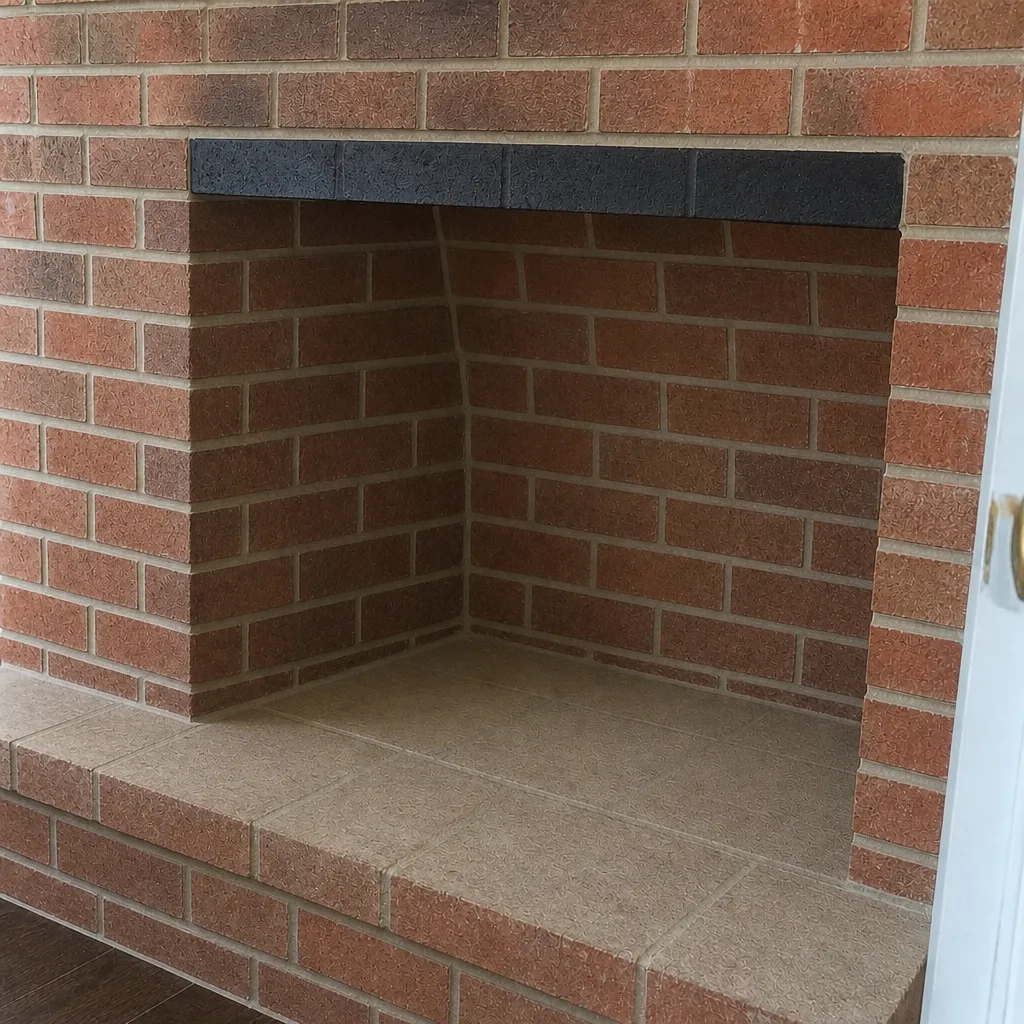
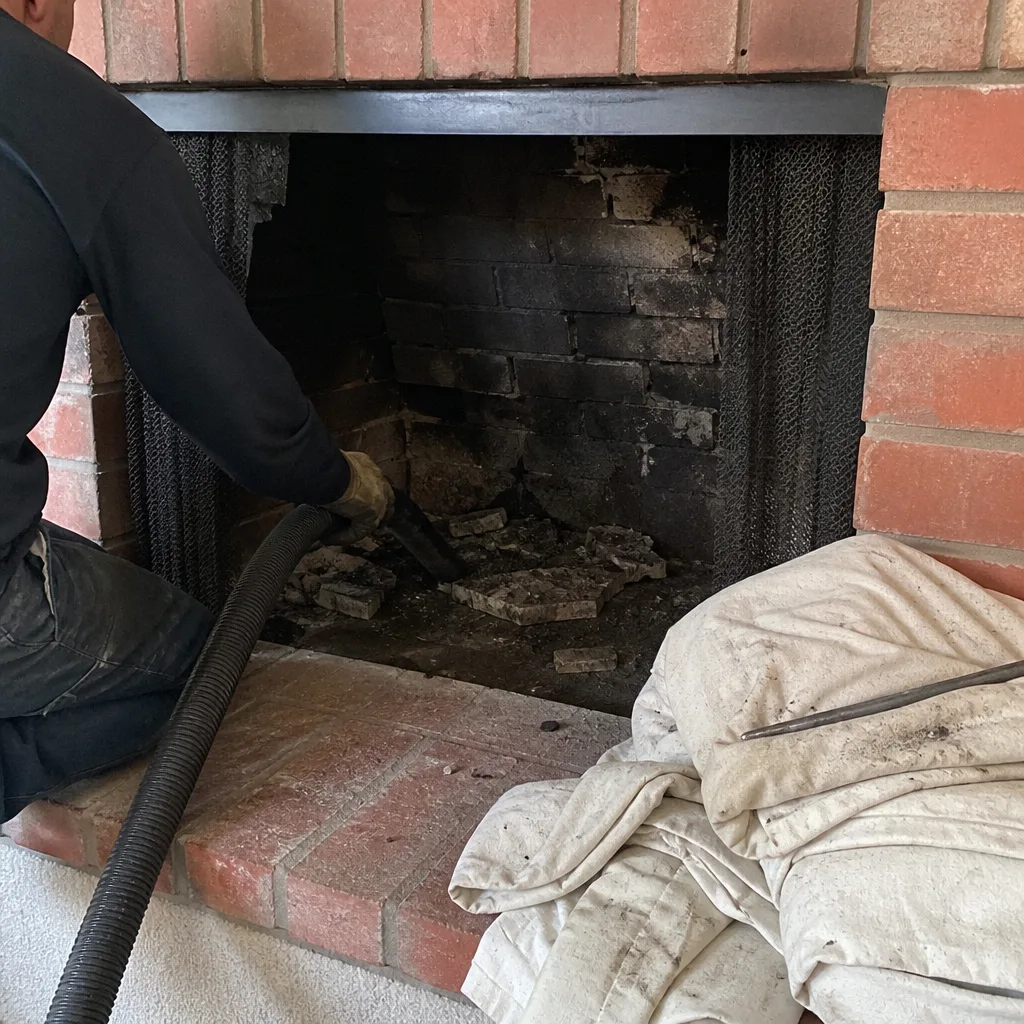
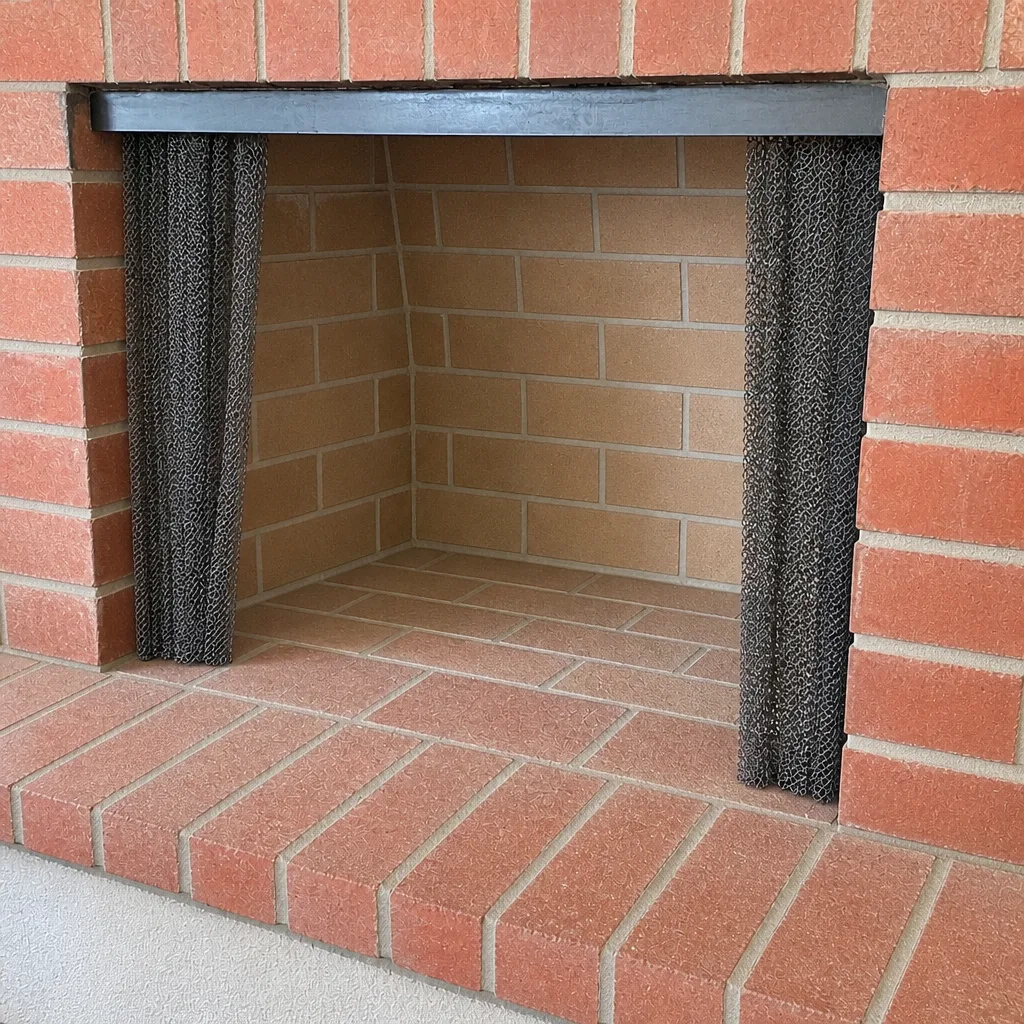
See the difference
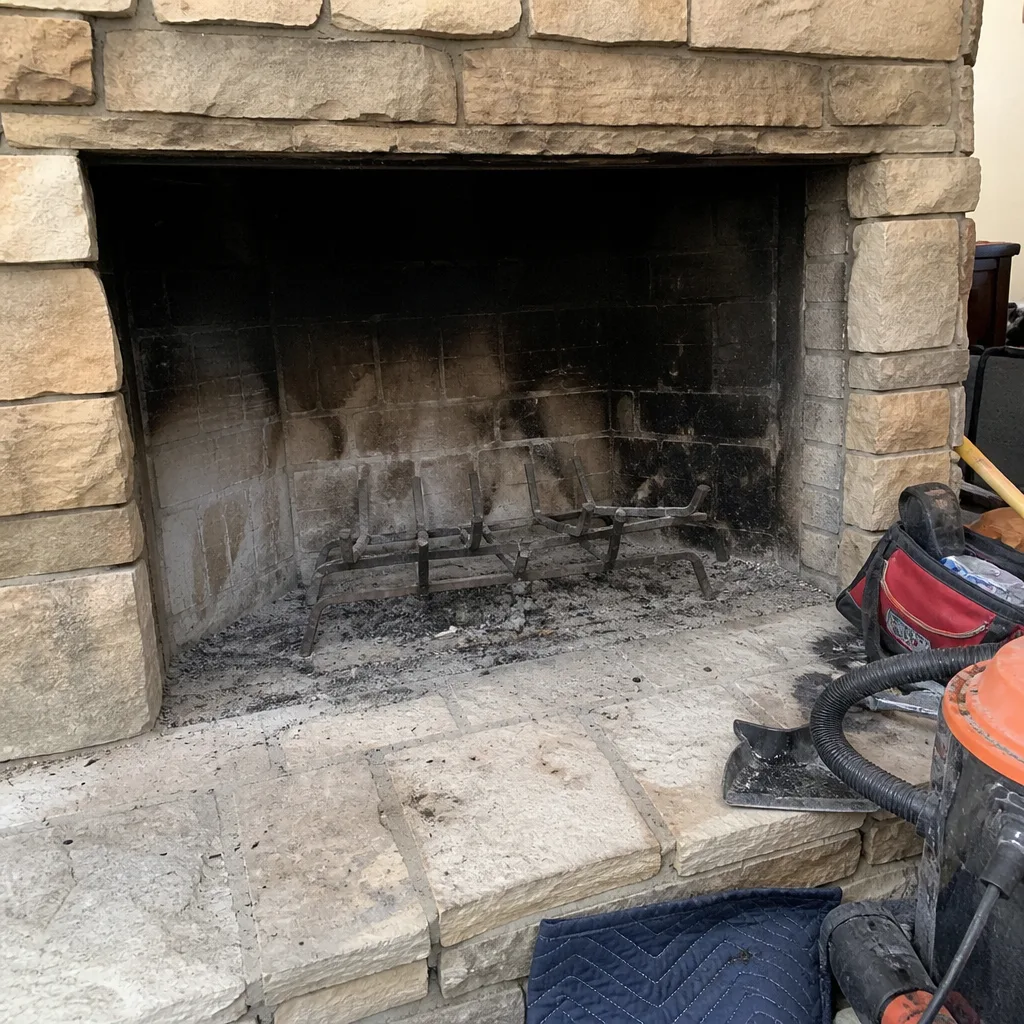 Before
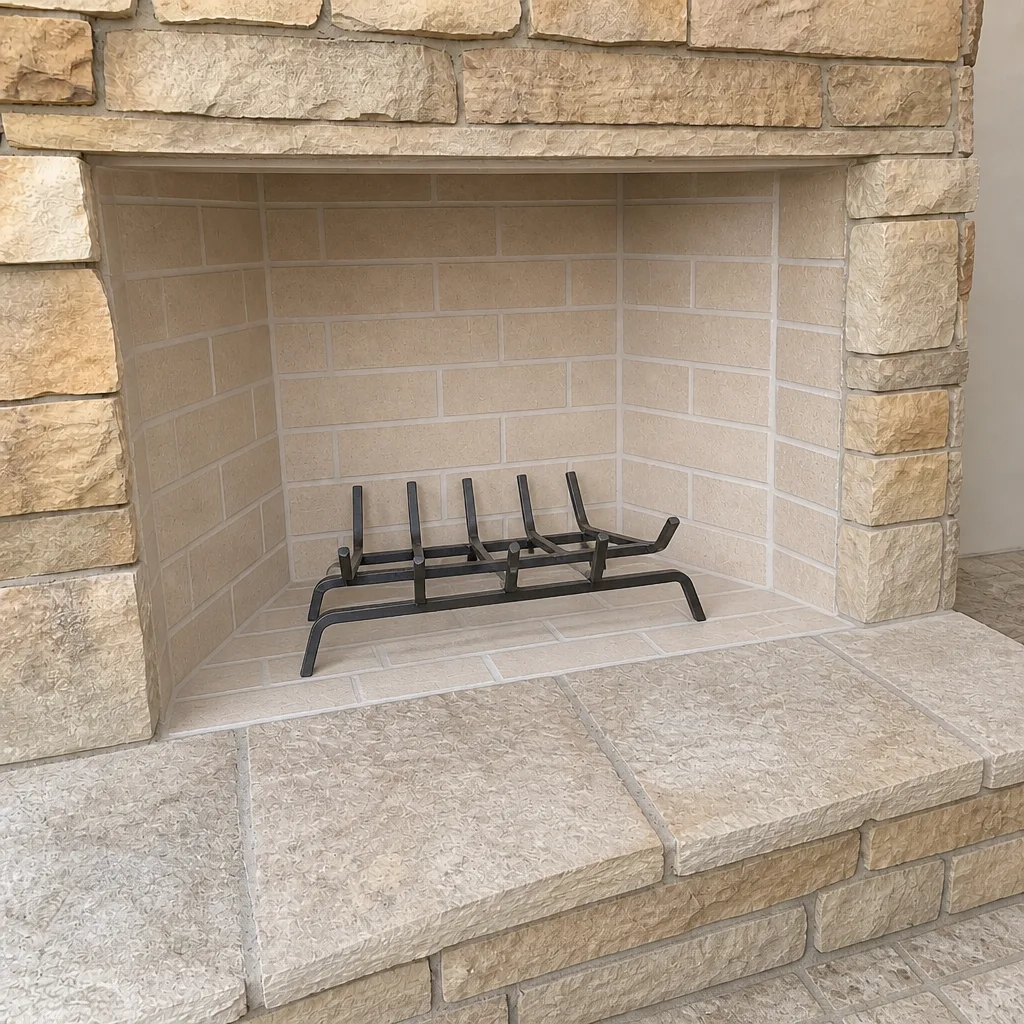 After
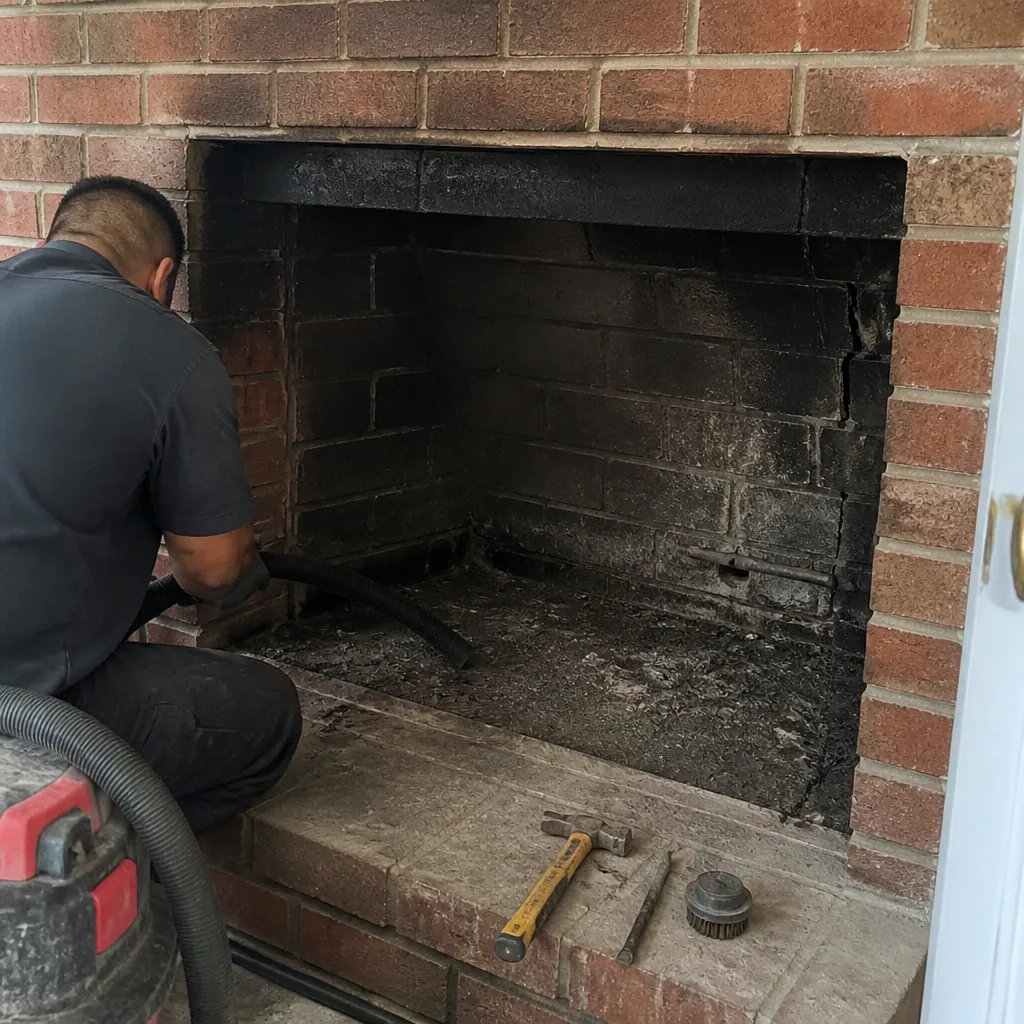 Before
 After
 Before
 After
When to Call a Professional
Call when smoke backs up after the flue is warm, when you smell a sour draft with no fire lit, when you see a blockage from the firebox, or when you notice water staining on the ceiling or walls near the chimney. Call when the cap is missing or rusted, the crown looks cracked, or the masonry is crumbling. Call before selling a home if a buyer wants documentation of chimney condition, and call when a gas appliance or liner is in question. These are the situations where a trained eye prevents a small problem from becoming structural. La Habra Chimney Sweep Pros offers free estimates in La Habra: call (855) 337-1997. We answer 24/7. Fast dispatch from 7am to 7pm, Sunday through Friday. Our technicians have up to 14 years of experience, and the estimate is free with the price set per job by the written estimate.
Frequently Asked Questions
If a flashlight shows a clear path up the flue but the fire still smokes, it’s a pressure problem, not a blockage. A visible nest, leaf pack, or collapsed liner piece means a blockage; no visible obstruction with a persistent weak draft points to pressure. The cracked-window test separates them quickly: if the fire picks up when you relieve the pressure, you’re dealing with a draft issue. If you can’t see a clear path at all, treat it as a blockage and call a professional. Call (855) 337-1997 for an exact quote, estimates are free.
It’s not more problems, it’s a different pattern. La Habra’s dry, mild climate stresses clay liners through repeated heating and cooling more than through constant moisture, and the hairline cracks that result are often invisible until an inspection. Humid-climate guides focus on damp damage that doesn’t really apply here. Our technicians have up to 14 years of experience reading this dry-climate pattern in La Habra and will tell you what you’re actually looking at.
Pricing in La Habra depends on the service and the condition of the chimney, so we set the price per job by the written estimate rather than quoting a number sight unseen. The good news is the estimate is free and agreed before any work is booked. Repairs like a cap replacement usually cost less than structural work like a crown rebuild or a liner restoration. Call (855) 337-1997 for an exact quote, estimates are free.
Not always. A cracked liner sometimes needs a full reline, and sometimes HeatShield liner restoration can resurface it in place and save you the demolition cost. The right answer depends on the extent of the damage. The key is that nothing should be recommended without camera evidence you can see for yourself. If a technician says you need a reline, ask to see the footage. Call (855) 337-1997 if you want a second look, estimates are free.
Not much at first, which is the trap. Creosote builds gradually, small crown cracks widen slowly, and a hairline liner crack spreads over time. The dangerous part is that you usually don’t know it’s happening until a symptom shows up, and by then the repair is bigger and costlier. An annual sweep and inspection catch it while it’s still small and cheap. Call (855) 337-1997 for an exact quote, estimates are free.
Sometimes, yes. Adjusting the damper and cracking a window to relieve negative pressure are safe, sensible fixes for draft starvation, and a stiff damper often just needs a simple adjustment. Beyond that, anything involving the flue, the masonry, or a gas appliance is a professional job. Reaching into a flue or lighting a test fire to see what happens is where people get hurt. When in doubt, call us.
The Bottom Line
Most chimney problems you’re tempted to self-diagnose are symptoms pointing at a single upstream cause, and getting the cause wrong means paying for the wrong fix. Smoke may be negative pressure, not creosote. Water may be the crown, not the cap. A smell may be a liner, not a blockage. Read the symptom accurately, handle the safe fixes yourself, and let a trained professional handle everything inside the flue and the structure. In La Habra’s dry, mild climate, an annual sweep and inspection is the least expensive way to keep a chimney system honest and keep repeat visits from happening.
If you’ve read this and you’re still not sure which problem you have, that’s what the inspection is for. A proper inspection identifies it exactly, and everything we find stays with us: inspected, cleaned, and protected without handing the repair to another contractor. We handle sweeping, inspection, fireplace repair, chimney repair, cap and crown work, all under one roof, with industry-grade product lines including HeatShield and DuraFlex.
Call La Habra Chimney Sweep Pros at (855) 337-1997 for a free estimate. We answer 24/7. Fast dispatch from 7am to 7pm, Sunday through Friday. We’re your La Habra chimney and fireplace specialists, and we’ll tell you honestly what your chimney needs and what can wait.
Written by the team at La Habra Chimney Sweep Pros.