
Last updated November 25, 2026
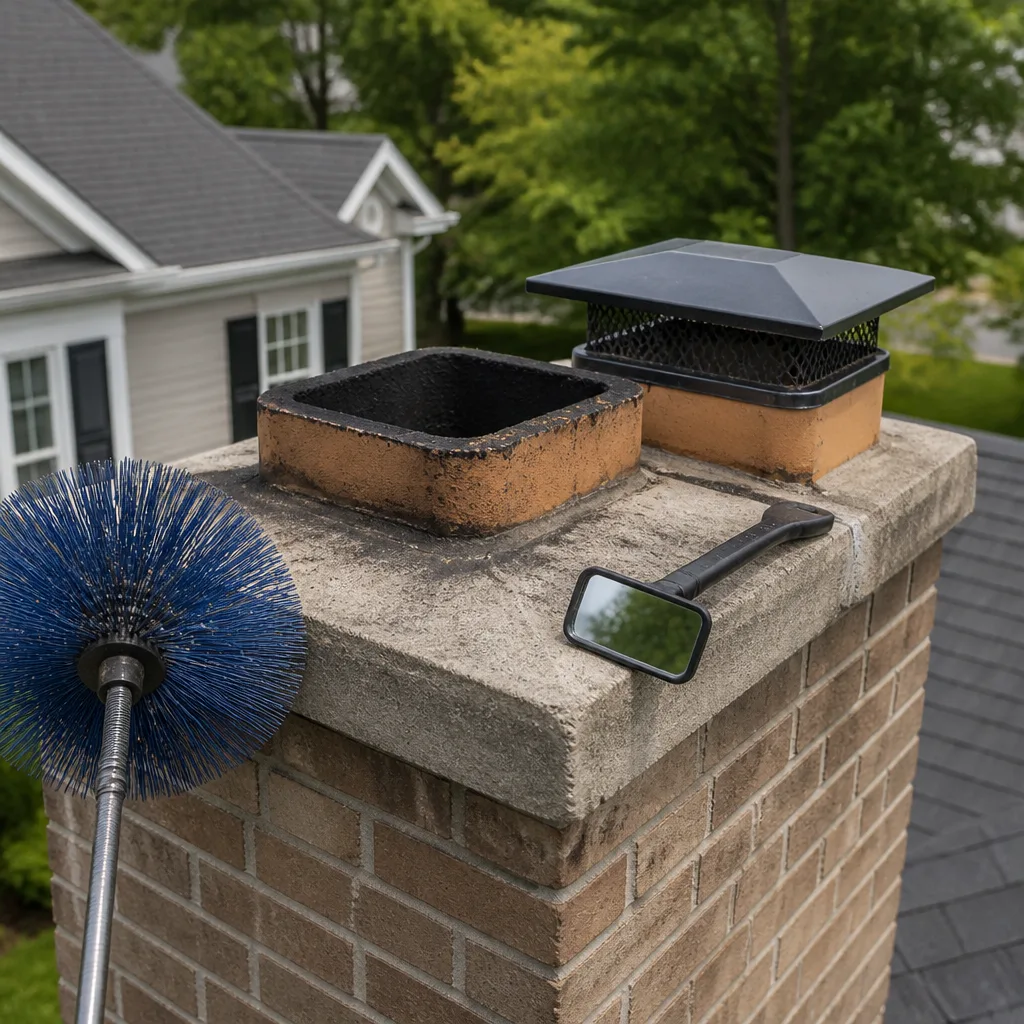 Sweep & inspection
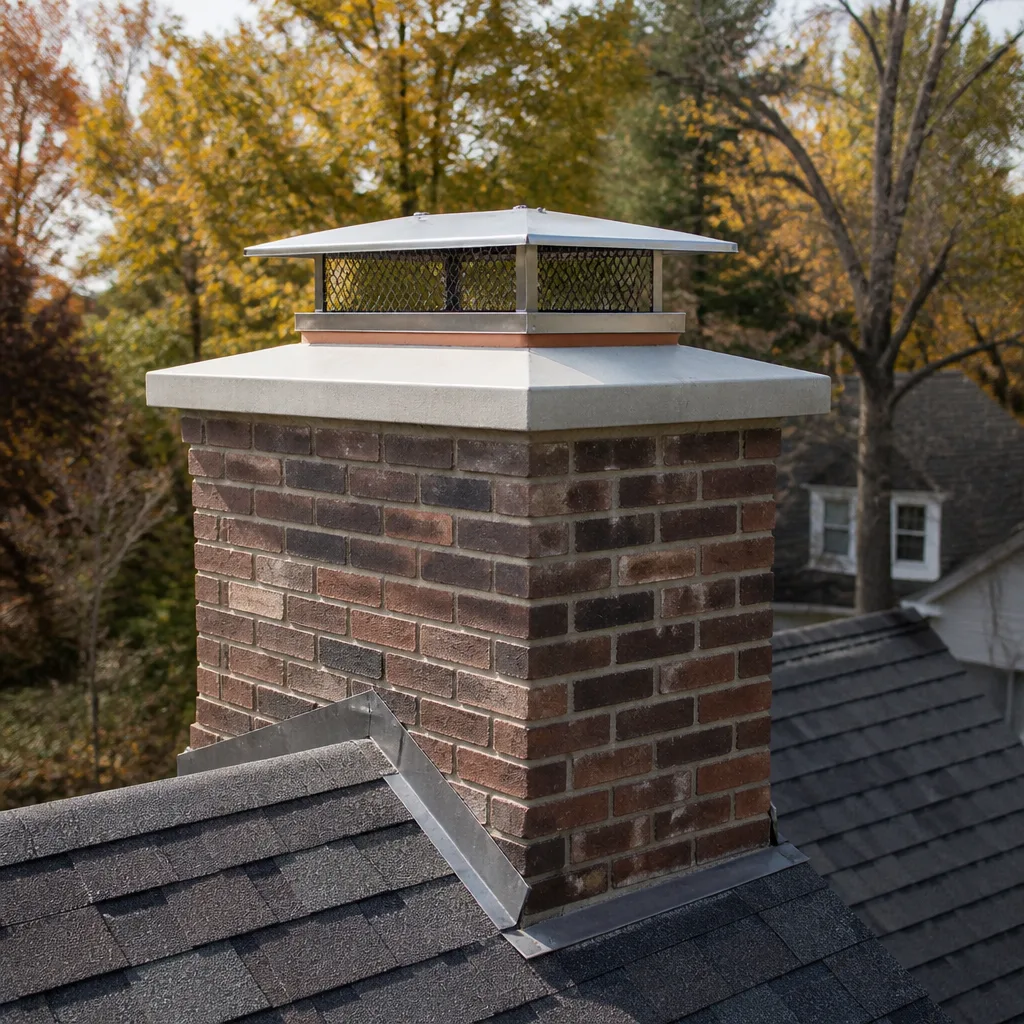 Caps & crowns
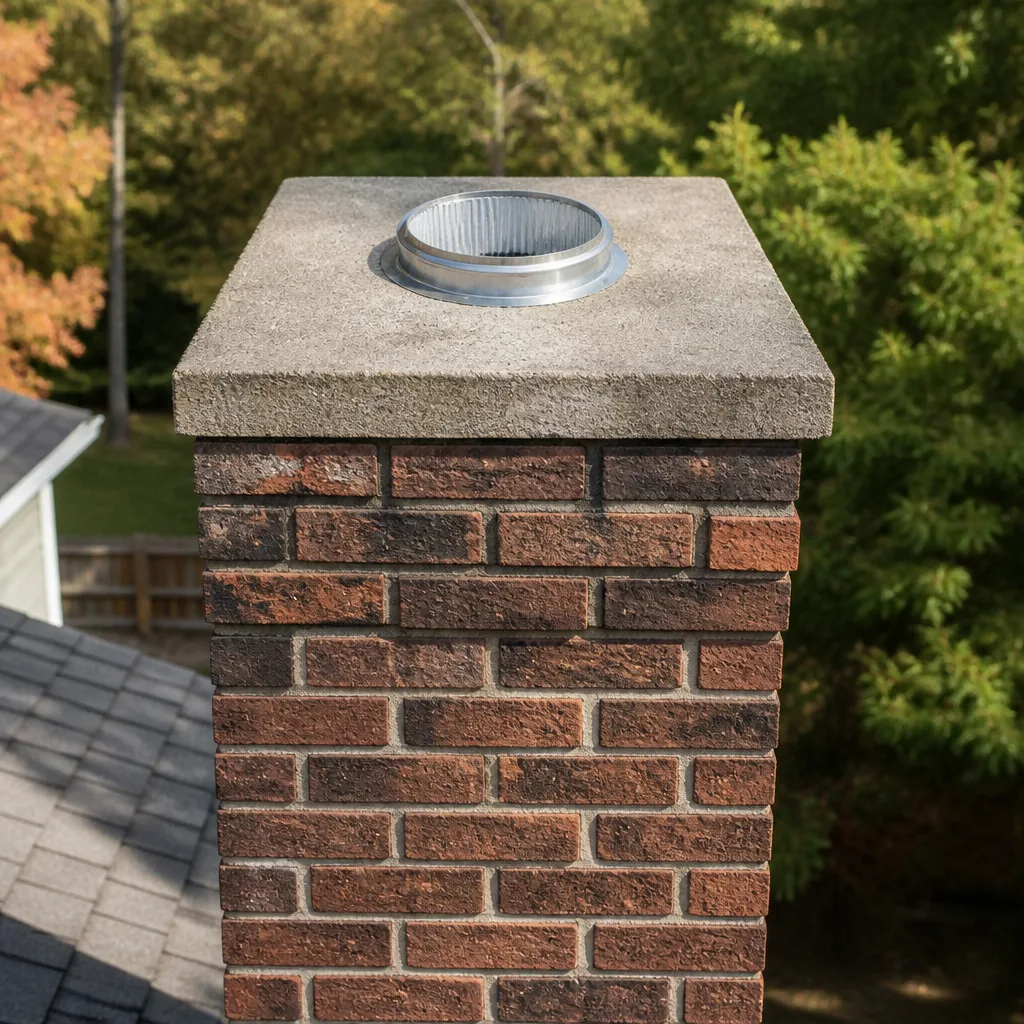 Flue relining
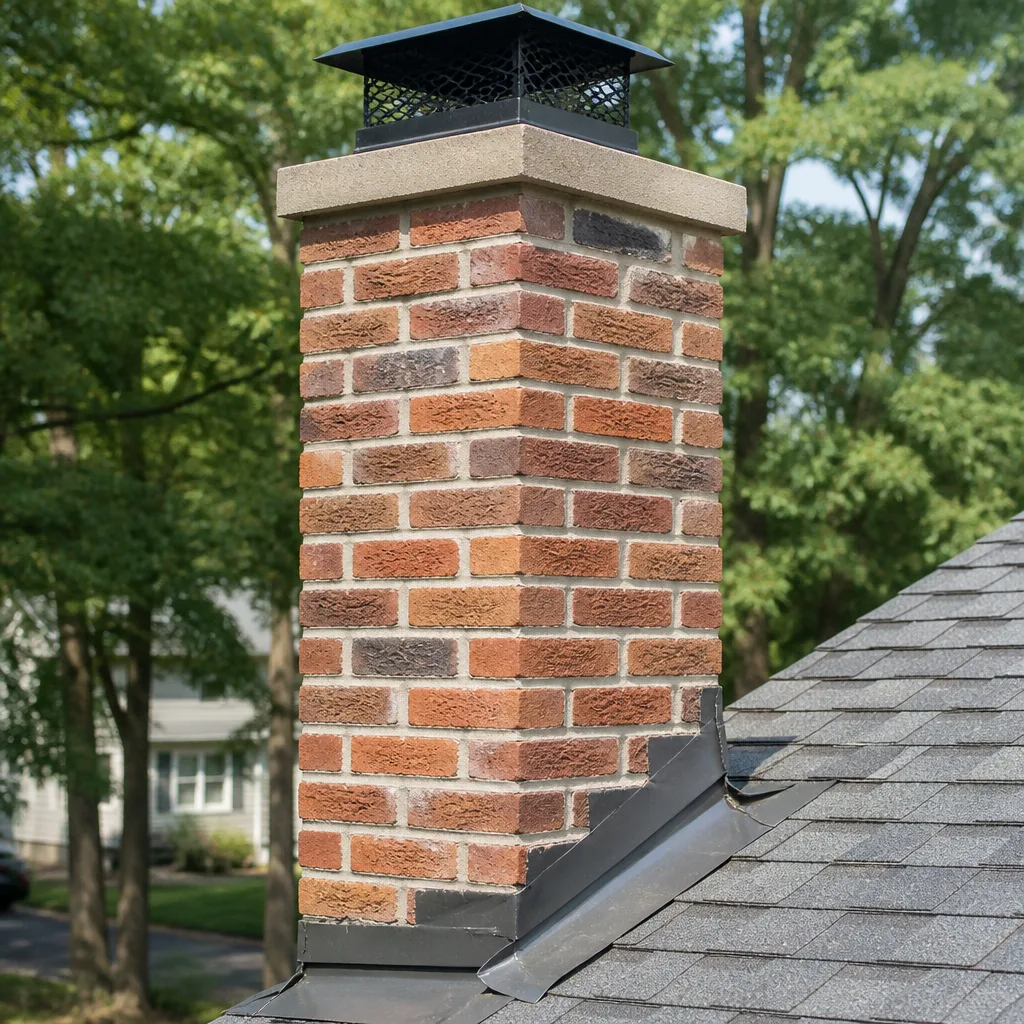 Masonry repair
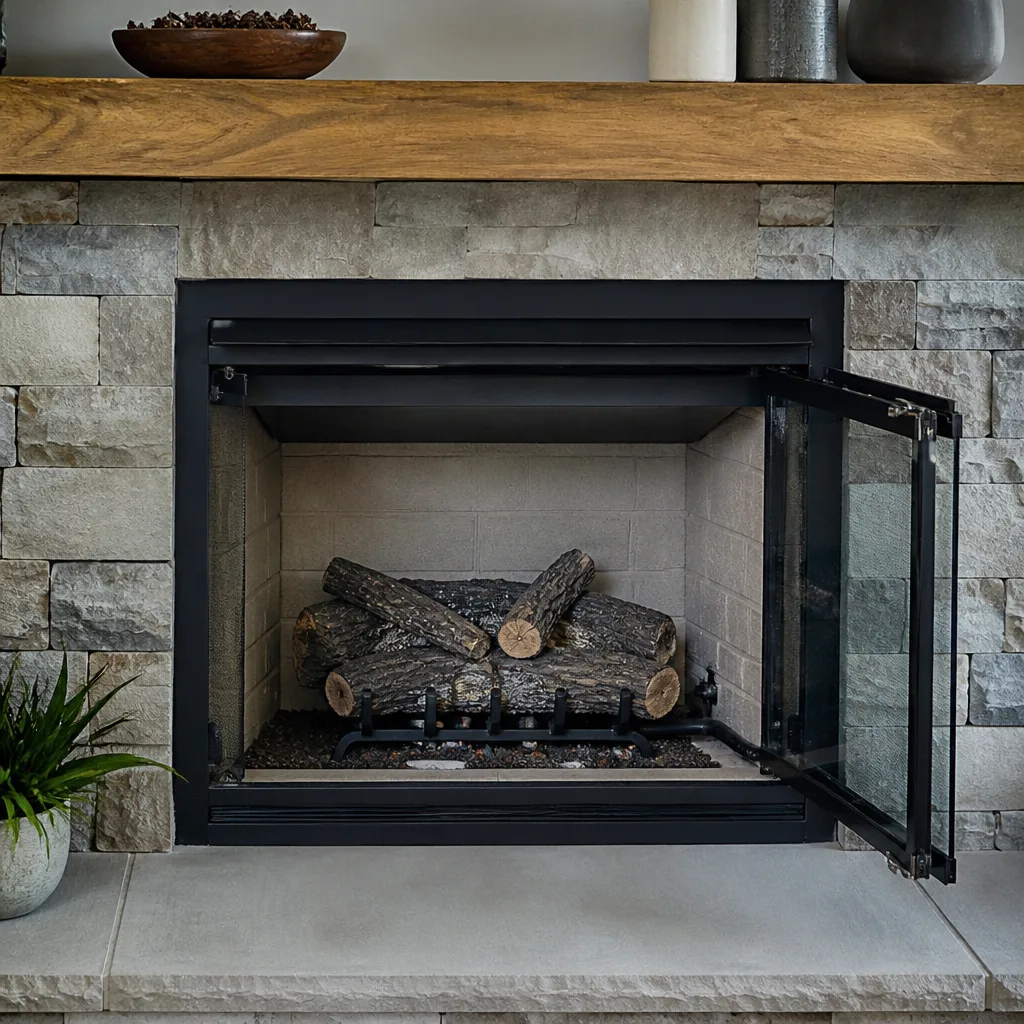 Gas fireplace service
Level 1 sweep and inspection to the NFPA 211 annual standard - flue, crown, cap, and flashing checked and photographed
Chimney sweep logs do not sweep chimneys. They loosen some creosote - which then falls where a brush and vacuum still have to collect it.
DIY vs Professional Chimney Cleaning: The La Habra Homeowner’s Decision Guide
You can physically remove visible soot from a chimney yourself. But if you can’t distinguish stage-1 from stage-2 creosote by texture and color in low light, you can clean a chimney thoroughly and still leave the most dangerous material behind. That gap between “looks clean” and “is actually clean” is where the whole DIY-versus-professional decision turns. In this guide we’ll walk through exactly what a homeowner can handle safely, what genuinely requires a certified technician’s camera and trained eye, how to assess your own creosote stage before you decide, and what California homeowners should know about documentation and insurance when chimney work gets done. La Habra homeowners with a wood-burning fireplace deserve a straight answer, not a sales pitch in either direction.
Quick Answer
DIY chimney cleaning is reasonable and safe for a confident homeowner when all three things are true: the chimney is single-story and wood-burning, the creosote is visibly stage-1 (light, sooty, brushes off easily), and you’re not relying on that sweep to tell you whether the flue is sound. Professional cleaning is the right call the moment a gas insert, a multi-story run, any stage-2 or stage-3 creosote, or any question about liner integrity enters the picture. The real dividing line isn’t whether you’re comfortable on a roof. It’s whether you can accurately read the condition of your own flue. Most homeowners can’t, and that’s not a knock. It’s just the honest reason a trained technician’s camera and eye matter.
Styles & brands we work with
- Sweep & inspection
- Caps & crowns
- Flue relining
- Masonry repair
- Gas fireplace service
Table of Contents
- What a DIY chimney sweep actually accomplishes
- What a DIY sweep misses
- The equipment your specific chimney actually requires
- How to read creosote stages by color and texture
- California legal and insurance considerations for self-performed work
- The hybrid approach: what you maintain, what a pro handles
- When to call a professional
- Frequently asked questions
What a DIY chimney sweep actually accomplishes
A competent DIY sweep does one thing well, and it’s an important thing: it removes loose, dry, stage-1 creosote and soot from the firebox, damper shelf, smoke chamber, and flue walls down to the point where a brush can reach. That reduces the volume of fuel available for a chimney fire and improves draft. In a La Habra single-story home with a wood-burning fireplace that burns dry, seasoned hardwood and gets swept once a season, the buildup is usually light enough that a homeowner with the right brush and a drop cloth can genuinely keep the flue in reasonable working order between professional visits.
What a DIY sweep accomplishes is essentially surface cleaning to brush depth. Here’s the honest version of what that means in a La Habra house:
- It removes soot and light ash from the firebox, the damper, and the lower flue.
- It clears loose creosote flakes that would otherwise fall onto the damper or into the firebox.
- It improves draft by opening up the flue passage where soot has narrowed it.
- It reduces visible smoke spillage from older fireplaces that draft a little weakly.
- It does not assess liner integrity, crown condition, or hidden creosote glazed onto the flue walls.
- It does not detect hairline cracks in a clay tile liner or a disconnected flue section behind the wall.
That’s the honest scope. A homeowner who sweeps their own single-story La Habra fireplace once a season, uses the right brush, and never burns wet wood is doing real work, not pretend work. The question isn’t whether that counts. It’s whether it’s enough for your specific chimney, and that depends entirely on what kind of creosote and what kind of flue you’re actually dealing with.
What a DIY sweep misses
The single biggest thing a DIY sweep misses is judgment. A brush removes what the brush can reach. What a professional sweep adds is the ability to look at what the brush left behind and correctly decide whether that’s fine or a problem. The equipment matters less than the assessment.
Five specific things a homeowner sweep routinely misses:
- Stage-2 and stage-3 creosote glazed onto the flue walls. These don’t brush off. They need specific removal tools and, in serious cases, chemical treatment or liner replacement. A homeowner sweeping over stage-2 creosote can feel productive and still leave the actual fire hazard untouched.
- Liner cracks and gaps in the clay tile joints, mortar joints, or metal liner seams. These are only reliably seen with a camera run up the flue. A homeowner looking up a chimney from the firebox almost never sees them.
- Crown and cap condition, which is where most water damage starts. From the ground you can’t tell a hairline crown crack from a sound one. From a ladder you often still can’t without close inspection.
- Draft measurement and pressure balance, which tells you whether the chimney is venting correctly relative to the house. A chimney can look fine and still back-draft combustion gases into the home.
- Documentation for insurance, sale, or code purposes. A homeowner sweep produces no typed report, no photographs of before and after, and no verifiable record should something go wrong later.
None of this is a reason to avoid a homeowner sweep entirely. It’s a reason to be clear-eyed about what it is and isn’t. If you’re using a homeowner sweep as your only form of chimney care year after year, you’re essentially asking a brush to do a technician’s job.
The equipment your specific chimney actually requires
What you’ll need for a legitimate DIY sweep depends heavily on your chimney type. A single-story wood-burning fireplace in La Habra looks nothing like a gas insert flue or a two-story chimney run when it comes to the actual work. Here’s the honest equipment list, by chimney type.
Single-story wood-burning fireplace (the classic La Habra case)
- A properly sized polypropylene or wire chimney brush matched to your flue dimensions. Too small and you miss walls. Too stiff and you scratch clay tile.
- Enough flexible rod to reach from the top of the flue to the smoke shelf. For most single-story La Habra homes that’s around 12 to 15 feet.
- Heavy canvas drop cloths taped to the floor around the firebox, and plastic sheeting over the fireplace opening during the sweep.
- N95 or P100 respirator, safety glasses, and gloves. Soot is a lung irritant and creosote is a skin irritant.
- A strong flashlight for before-and-after photos and for reading creosote stage.
- A ladder rated for the height of your roofline and stable on the ground. Never work from a ladder you can’t lock into place.
- Shop vacuum with a HEPA filter rated for fine soot. Standard vacuums blow soot back into the room.
Gas insert or gas fireplace
Stop here and treat this differently. A gas insert doesn’t produce creosote the way wood does, but it produces a different set of issues: condensation, corrosion on the metal vent, and flue blockages from animal nests and debris. Gas venting is a different system and requires a technician with the right camera and combustion analyzer to check it properly. DIY cleaning of a gas insert is not a reasonable homeowner task.
Multi-story or offset (bent) chimney
Multi-story runs add both height and usually an offset in the flue. An offset requires flexible rods and a brush that can negotiate the bend, and it hides a section of the flue that a homeowner can’t visually reach from either end. In our experience the offset is exactly where the worst creosote accumulates. A DIY sweep of a multi-story chimney with an offset is workable in theory but rarely thorough in practice, and it hides problems that a camera would catch in a professional inspection.
What every DIY sweep still needs from the ground
Regardless of chimney type, every homeowner attempting a self-sweep needs a flashlight, a camera (your phone works), and a notebook to record what you saw and when. That record matters for the next section on insurance and documentation, and it’s the only thing that separates a legitimate self-maintenance routine from a guess.
How to read creosote stages by color and texture
Creosote is the material that accumulates on chimney flue walls when wood smoke cools and condenses. It exists in three stages, and the stage determines whether the buildup is a maintenance issue or a fire hazard. The single skill that decides whether DIY is safe for your specific flue is being able to tell those stages apart in the low light of a chimney interior. Here’s how.
Stage 1 creosote
Stage-1 creosote looks like light, flaky soot. It’s dry to the touch, gray or brownish-black in color, and it brushes off easily with a chimney brush. It’s the normal product of a well-burning wood fireplace and represents no immediate hazard beyond routine soot buildup. If your chimney interior shows only stage-1 buildup and you have a properly sized brush and the tools listed above, a homeowner sweep is a legitimate response. This is the creosote stage a competent DIY sweep genuinely handles.
Stage 2 creosote
Stage-2 creosote looks and feels different. It’s shiny, black, and hardened. It can be crusty, flaky, or tar-like, and it does not brush off. A brush will polish it. It’s the product of cooler, incomplete combustion, often from burning wet or unseasoned wood or from running a fireplace at low, smoldering temperatures. Stage-2 creosote is a real fire hazard because the hardened surface can reignite. If you look up your flue with a flashlight and see a mirror-like black glaze, your chimney has moved past what a homeowner sweep can address. That’s the moment to stop and call a professional. We would tell you the same on a service call.
Stage 3 creosote
Stage-3 creosote is the concentrated, fuel-rich glaze that has become essentially the same substance as chimney-fire fuel. It forms when stage-2 layers build up and become heavily carbonized. It’s a fire-risk condition and not a homeowner-facing layer at all. If you suspect stage-3, don’t sweep it yourself under any circumstances, and don’t light the fireplace.
The check that separates stages 1 from 2
Here’s a simple method, and it’s the one to actually use before you decide whether DIY is safe for your flue:
- Open the damper and shine a strong flashlight up the flue. Not a phone flashlight. A real one.
- Photograph the flue walls from at least three angles. Your phone photo is easier to examine than the live view.
- Look at the surface texture. Dry and flaky means stage 1. Shiny, hard, or tar-like means stage 2. Heavy, thick, or blistered means stage 3.
- Scrape a small section with a plastic scraper. If it falls away in flakes, stage 1. If it resists like varnish, stage 2.
- Compare low and high sections of the flue. Stage-2 creosote often starts higher where the smoke cools. A clean lower flue doesn’t mean a clean upper flue.
If you get stage-1 across the board, you’re a candidate for safe DIY maintenance. If any section shows stage-2 or beyond, or if you can’t tell, that’s the moment a trained eye and a camera are worth it.
California legal and insurance considerations for self-performed work
California homeowners are generally free to perform routine maintenance on their own chimney. What you can’t easily do is document it in a way that satisfies an insurance adjuster after a chimney fire, or a buyer’s inspector during a home sale. That documentation gap is the practical reason to call in a professional at specific moments, not because homeowner chimney work is illegal.
Where California rules and codes come in
Chimney construction and clearance requirements in California come from state building code, which is adopted locally, and specific to your local building department. Most La Habra homeowners will find that a chimney repair involving the structure, a liner replacement, or a significant alteration technically requires a permit from the city. Cleaning alone typically does not. If you’re unsure whether the work you’re planning crosses into permitting territory, call the La Habra building department and ask directly. That one phone call beats guessing.
Two specific California-relevant points:
- Clearances matter. Wood-burning appliances need to maintain clearance to combustible framing, wall assemblies, and roofing. If a repair narrows or alters those clearances, it needs to be correct. That’s a professional job.
- Venting for gas appliances is regulated under different rules than wood, and requires a trained technician. Don’t improvise gas vent repair.
What your homeowner’s insurance wants to see
Most homeowner policies cover chimney-related claims, but they respond differently to fires depending on documented maintenance. If a chimney fire happens and the homeowner has no records, the claim process gets harder, not automatically denied, just harder. What actually helps:
- Dated photos of every sweep. Before and after shots of the flue, the firebox, and the crown.
- A written inspection report from a professional at least every couple of years. This is the single strongest piece of documentation a homeowner can hold.
- Records of any repairs, including liner replacements, crown repairs, and cap installations. Keep receipts and photographs.
- A record of the wood you burn. Seasoned hardwood, properly dried, produces less creosote. A homeowner who can show they burn clean is in a better position on any claim.
If you’re preparing to sell a home in La Habra and the buyer’s inspector asks for chimney documentation, a professional inspection report with photos will close that conversation in one visit. A homeowner’s personal notes will not.
The hybrid approach: what you maintain, what a pro handles
The most honest answer to the DIY question is that the smart split isn’t “all DIY” or “all professional.” It’s a hybrid, and it’s what we recommend to the majority of La Habra homeowners with a wood-burning fireplace. Here’s the clean split.
What a La Habra homeowner can safely maintain between professional visits
- Burn seasoned wood. Split, covered, dried at least six to twelve months. This alone reduces creosote formation more than any tool you can buy.
- Do a mid-season visual check with a flashlight up the flue, and photograph it. Catch stage-2 creosote early.
- Clean the firebox and ash pit between sweeps with a shop vacuum rated for soot.
- Clear debris off the cap from the ground where you can see it, and check the cap screen for animal damage visibly from the yard.
- Keep the area in front of the hearth clear of anything combustible, and keep the damper working freely.
- Book a professional sweep and inspection on a consistent annual or biennial schedule. This is the record-keeping step that makes everything else matter.
What genuinely requires a certified technician
- Camera inspection of the flue. No homeowner can see behind a bend or into a joint by looking up from the firebox.
- Stage-2 or stage-3 creosote removal. This needs the right tools and experience.
- Any liner damage, whether a cracked clay tile, a separated joint, or a compromised metal liner. A professional evaluation and, if needed, a liner repair is the answer. HeatShield resurfacing, which we’re equipped to apply, restores many damaged liners without requiring a full demolition, and it’s a repair that only makes sense after a proper inspection.
- Chimney cap and crown work. The crown is the concrete top surface of the chimney, and it fails slowly. Cap and crown repair is where moisture gets in. This is a job for a professional with the right materials, and it’s the single most impactful preventive repair on most La Habra chimneys.
- Structural repair of the chimney itself, from the firebox to the crown.
- Fireplace repair of the firebox, damper, or surrounding masonry.
- Any gas appliance work, including inserts and gas fireplaces.
The pattern is that a homeowner handles the routine, and a professional handles the judgment calls and the repairs. When a professional inspection does reveal a problem, we work with professional-grade product lines like DuraFlex flexible liners for chimneys with bends and offsets, Gelco and Olympia Chimney components, and Famco caps, so the repair is built correctly rather than patched to pass.
Common Mistakes to Avoid
- Sweeping over stage-2 creosote and thinking you’ve cleaned the chimney. A brush polishes stage-2 buildup rather than removing it. If your flue has glaze, the brush has done nothing useful, and the fire hazard remains.
- Using the wrong-sized brush. A brush too small leaves the full flue walls untouched. A brush too stiff scratches clay tile and accelerates liner damage. Measure the flue and match the brush.
- Skipping the drop cloth. A single missed taped edge around the firebox means a soot-covered La Habra living room. Tape the cloth fully around the opening, then slit the tape to reach in, catching every edge.
- Burning unseasoned wood to save money. Green or wet wood produces far more creosote per hour of burn than seasoned hardwood. The cheap cord costs more in cleaning and future repair.
- Skipping the camera inspection year after year. A clean-looking flue can hide a cracked tile liner behind the wall. Without a camera you’re guessing, and guessing on liner integrity is the one thing no homeowner should do.
- Ignoring the crown and cap. Most long-term chimney deterioration starts at the top of the chimney, not the firebox. If the crown is cracked or the cap is missing, water enters and the whole structure degrades. Fix this even if the flue looks fine.
- Not documenting anything. No photos, no dates, no report. If you sell the house, or if a chimney fire happens, the lack of records is what hurts most.
- Working on a chimney alone, on a wet roof, or without a stable ladder. Roof work is the part of chimney maintenance where homeowners actually get hurt. If the roof pitch or the ladder setup feels uncertain, the sweep can wait for a professional visit.
- Sweeping a gas insert or gas fireplace yourself. Gas venting is a different system that requires a trained technician. Don’t attempt it.
- Sweeping a multi-story or offset flue and assuming the bend is clean. The offset is where the worst creosote sits, and it’s invisible from either end without a camera.
When to Call a Professional
Call a professional chimney company, not a generalist handyman, any time one of these is true in your La Habra home:
- Your flue shows any stage-2 or stage-3 creosote on a flashlight check.
- You have a gas insert or gas fireplace and the venting needs service.
- You have a multi-story chimney or an offset flue and haven’t had a camera inspection in the past couple of years.
- You’ve had a chimney fire, a smoke roll-out into the room, or persistent smoky smells even when the fireplace hasn’t been used.
- You see visible cracks in the crown, missing cap screen, spalling brick, or loose mortar.
- You’re preparing to sell a La Habra home and need documentation for the buyer’s inspector.
- You’ve never had the flue inspected and don’t know its condition.
A professional visit isn’t a replacement for homeowner attention. It’s the annual or biennial check that makes the rest of the routine actually mean something. La Habra Chimney Sweep Pros offers free estimates in La Habra. Call (855) 337-1997. We answer 24/7. Fast dispatch from 7am to 7pm, Sunday through Friday. Our technicians have up to 14 years of experience, and every visit includes camera inspection and a written report you can keep.
Frequently Asked Questions
Yes, it’s safe to clean your own chimney if the flue shows only stage-1 creosote, the fireplace is wood-burning and single-story, and you use the correct brush, drop cloths, and respirator. It becomes unsafe or inadequate the moment you see stage-2 or stage-3 creosote, you can’t tell the difference, or the chimney is a gas insert or has an offset flue. Call (855) 337-1997 for an inspection if you’re unsure. Estimates are free.
Look at texture first: stage-1 is dry, flaky soot that brushes off; stage-2 is shiny, hard, black, and resists a plastic scraper like varnish. Shine a strong flashlight up the flue and photograph it from several angles, then compare the lower and upper flue sections, since stage-2 often starts higher where smoke cools. If any section resists brushing, stop and call a professional. Call (855) 337-1997 to book an inspection.
Yes. A homeowner sweep addresses surface soot, but it can’t see behind an offset, inside a joint, or into the crown. A professional camera inspection every couple of years catches liner cracks, stage-2 creosote, and crown damage that no amount of brushing from the firebox will reveal. Call (855) 337-1997 for a full inspection with photos. The estimate is free.
No, insurers don’t automatically deny claims because a homeowner performed routine cleaning, but documented professional maintenance makes the claims process much smoother. Dated photos and a written inspection report are the records that matter. If you sold a La Habra home and the buyer’s inspector asks for chimney documentation, a professional report is what closes the conversation. Call (855) 337-1997 to schedule an inspection that produces the paperwork you need.
At minimum: a correctly sized polypropylene chimney brush, flexible rods long enough for the flue, canvas drop cloths taped around the firebox opening, a P100 or N95 respirator, safety glasses, gloves, a strong flashlight, a HEPA shop vacuum, and a ladder rated for your roofline. If you can’t check off all of those items, don’t start the sweep. A professional visit is the safer option. Call (855) 337-1997 for a free estimate.
The brush is similar; the judgment is not. A professional sweep includes a camera inspection, a documented creosote-stage assessment, a crown and cap evaluation, photos, and a written report, and it comes with the ability to identify and fix what the inspection finds in the same visit. A homeowner sweep removes what a brush can reach. Call (855) 337-1997 to book a professional visit with full documentation.
The Bottom Line
DIY chimney cleaning isn’t inherently unsafe, and no honest chimney professional should tell you it is. What it is genuinely limited for is the exact skill that separates safe maintenance from a false sense of security: correctly reading creosote stage and flue integrity without a camera. A homeowner with a single-story wood-burning La Habra fireplace, stage-1 creosote, and a strong visual check can keep their flue in reasonable order between professional visits. The moment stage-2 glaze, a gas appliance, an offset flue, a visible crack, or a home sale enters the picture, the camera and the trained eye are worth the call. Sweep your own flue if you can read it confidently. Book a professional if you can’t. And always keep a record of both.
If you’d like a professional view of your La Habra chimney, a full camera inspection, a documented report, and an estimate with no obligation, call (855) 337-1997. We answer 24/7. Fast dispatch from 7am to 7pm, Sunday through Friday. Free estimates, always.
Written by the team at La Habra Chimney Sweep Pros.
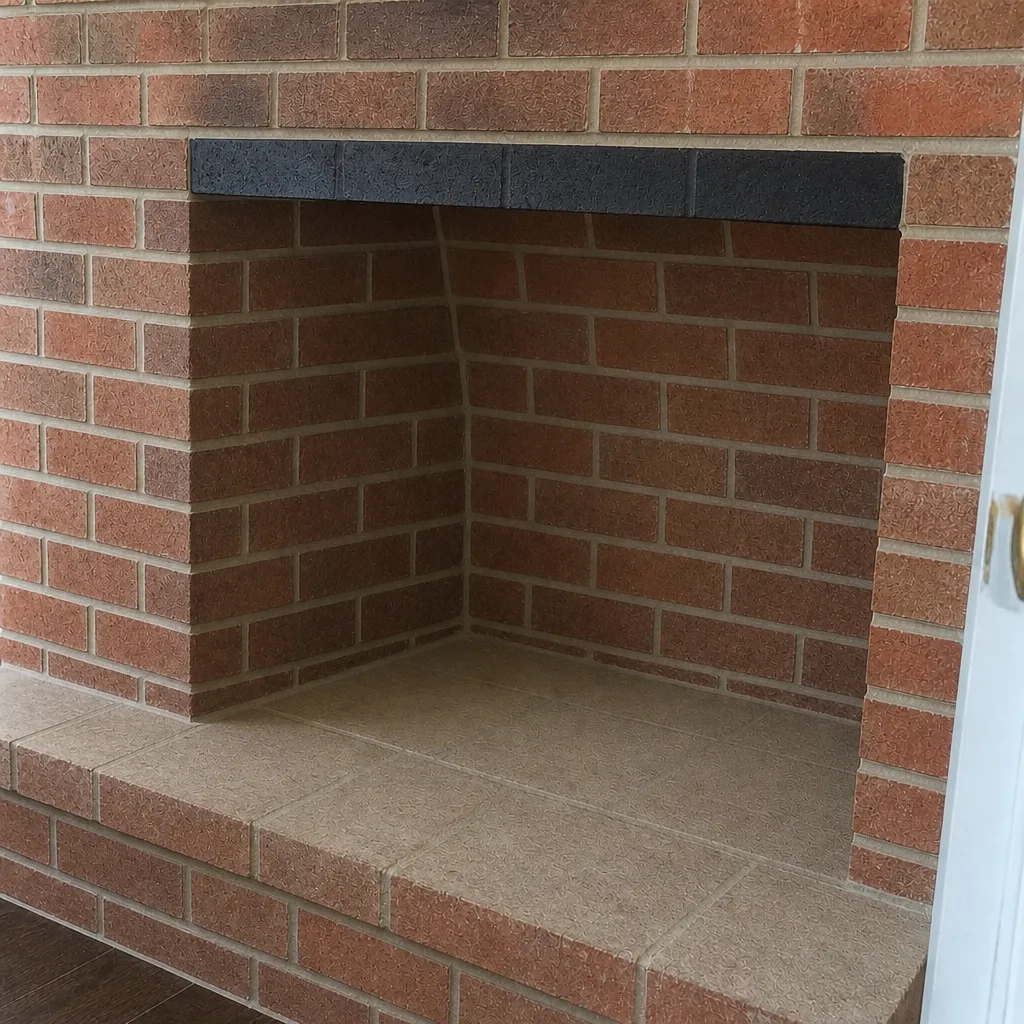
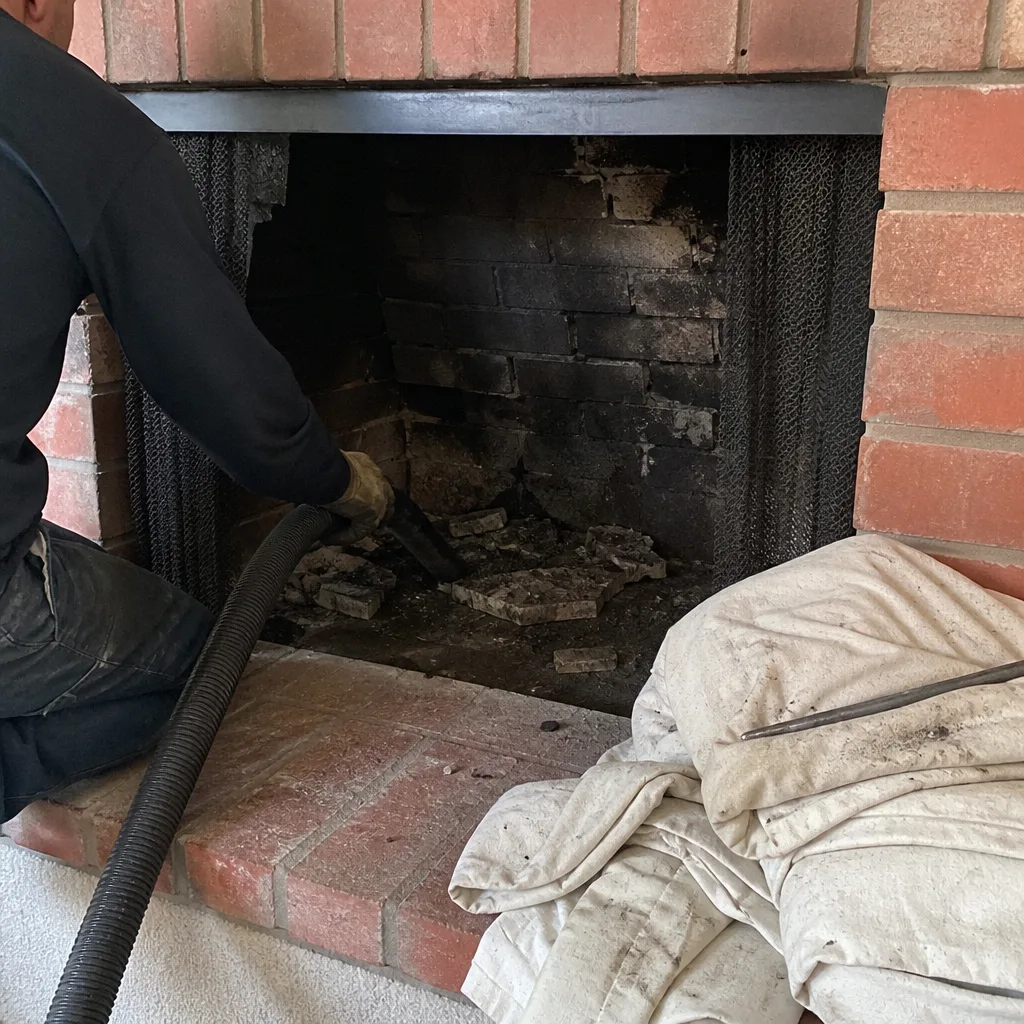
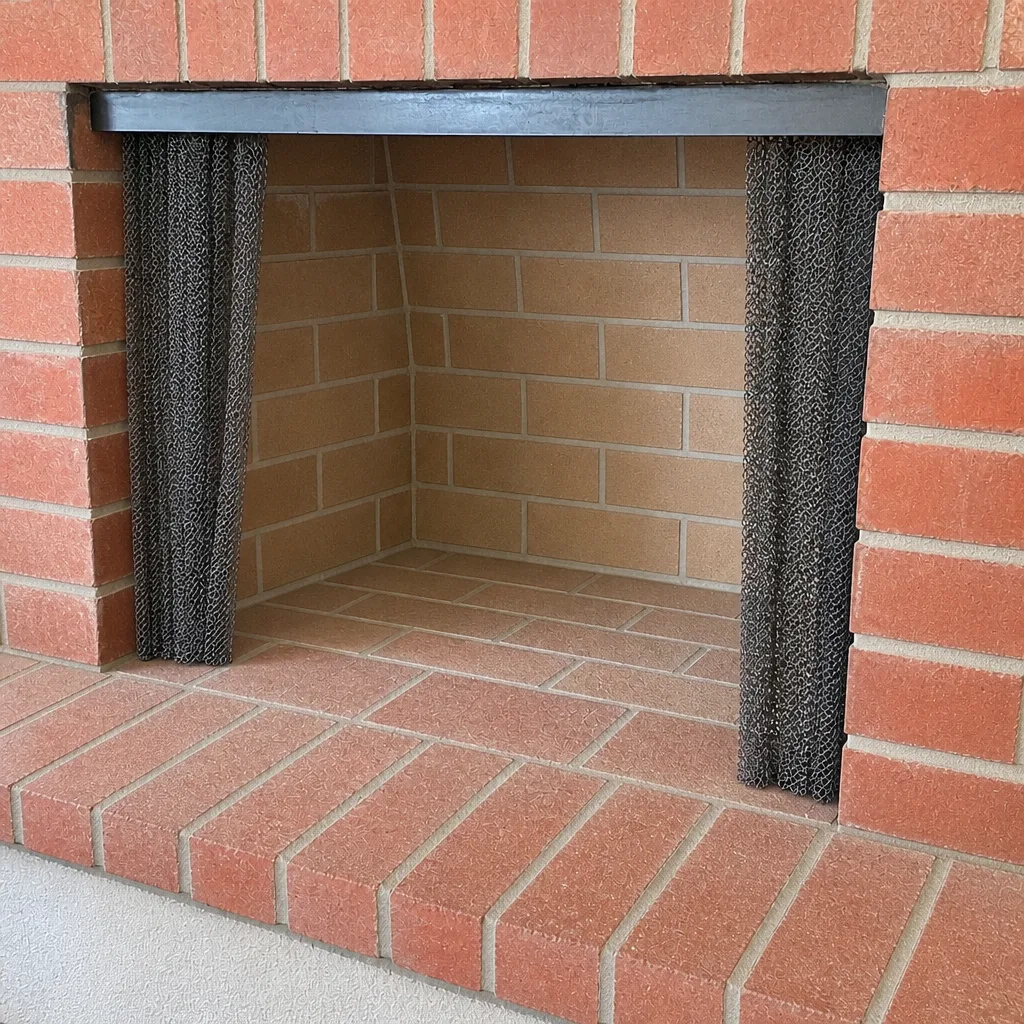
See the difference
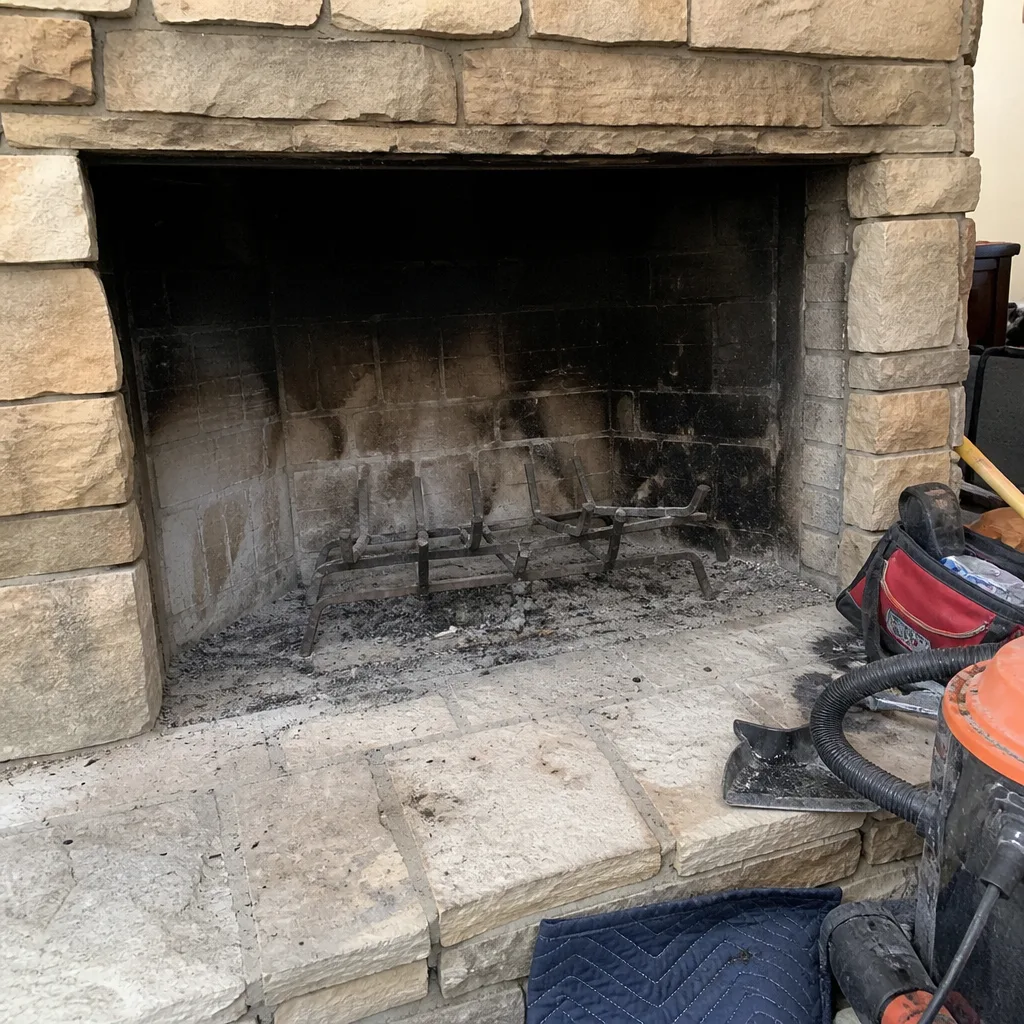 Before
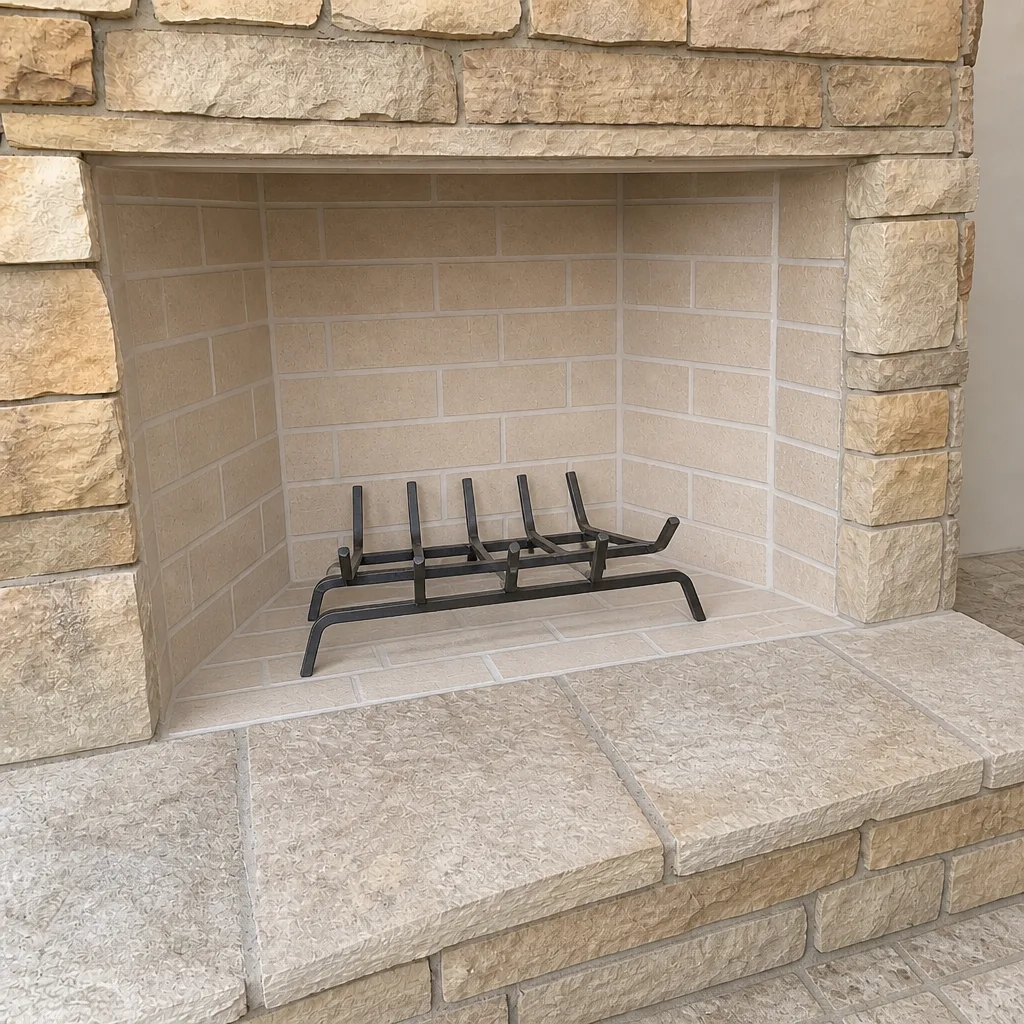 After
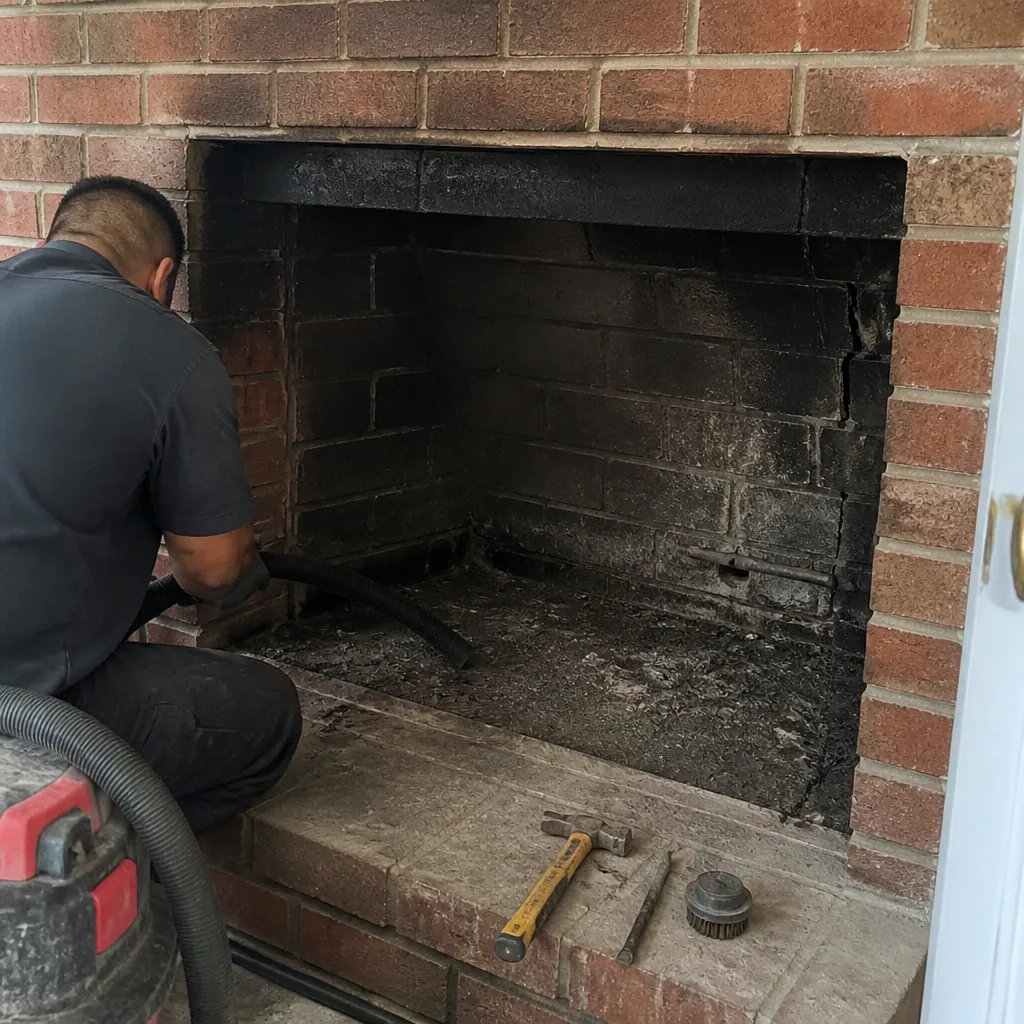 Before
 After
 Before
 After