
Last updated November 25, 2026
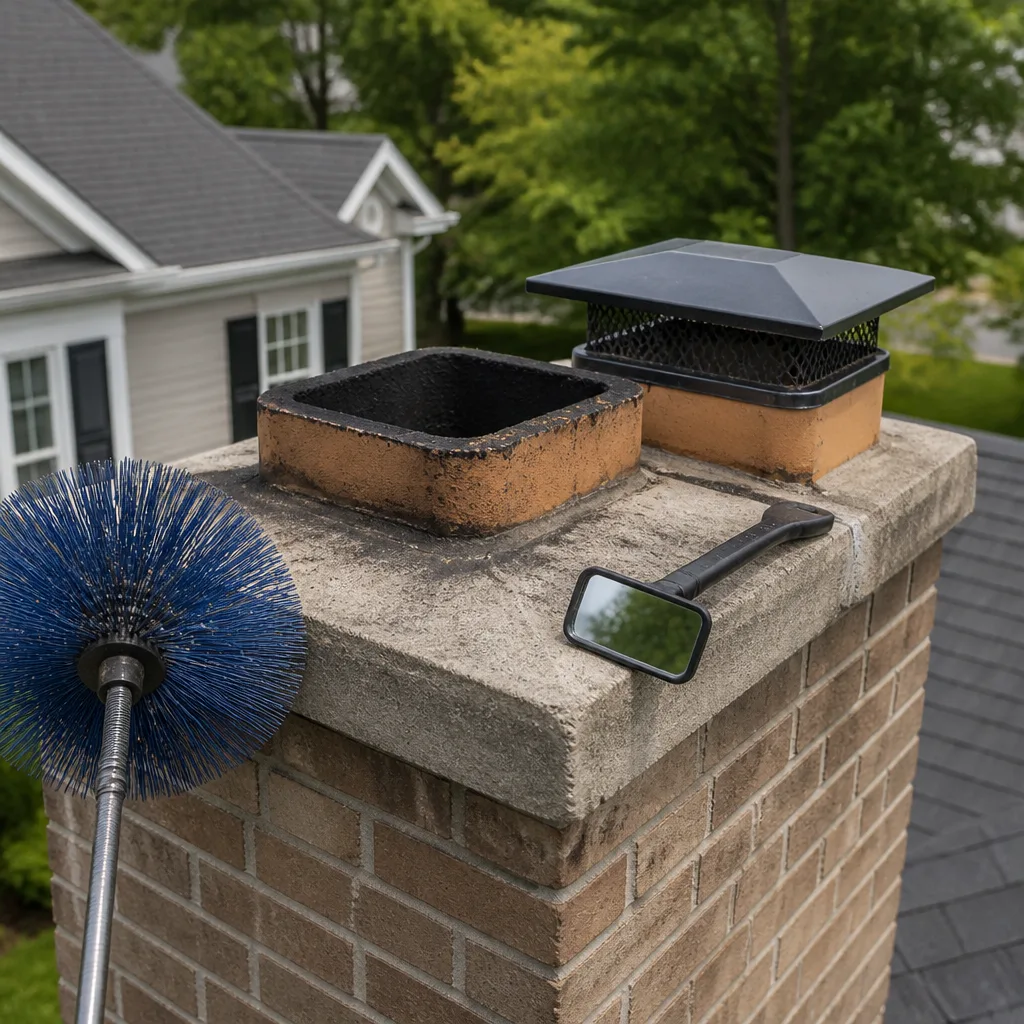 Sweep & inspection
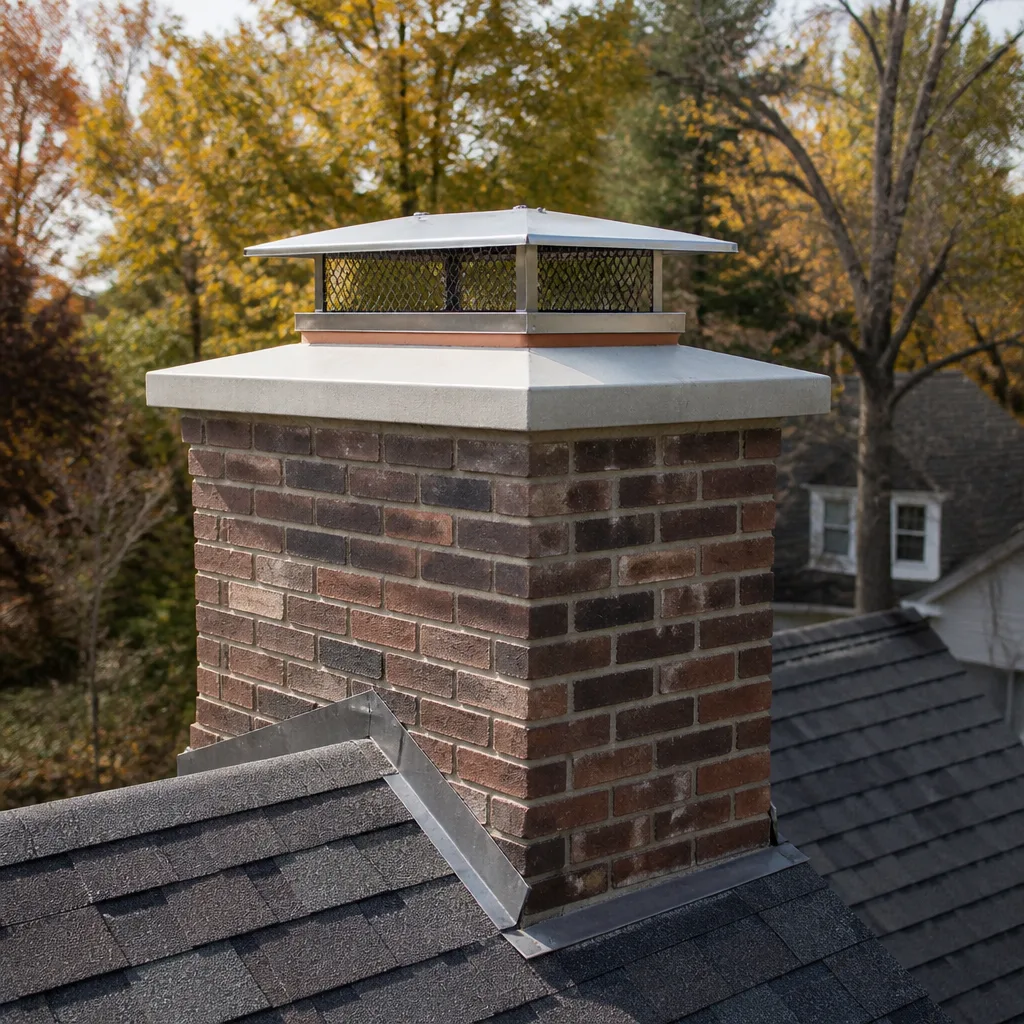 Caps & crowns
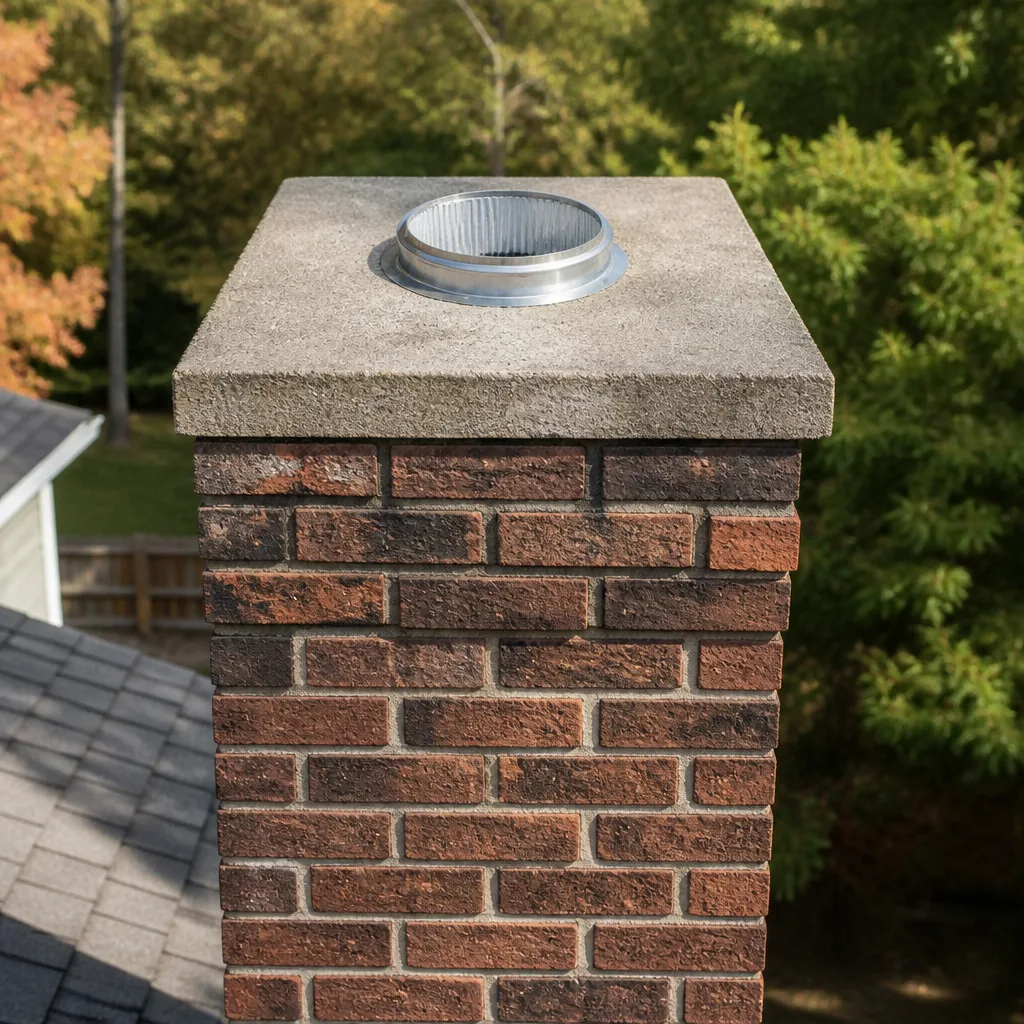 Flue relining
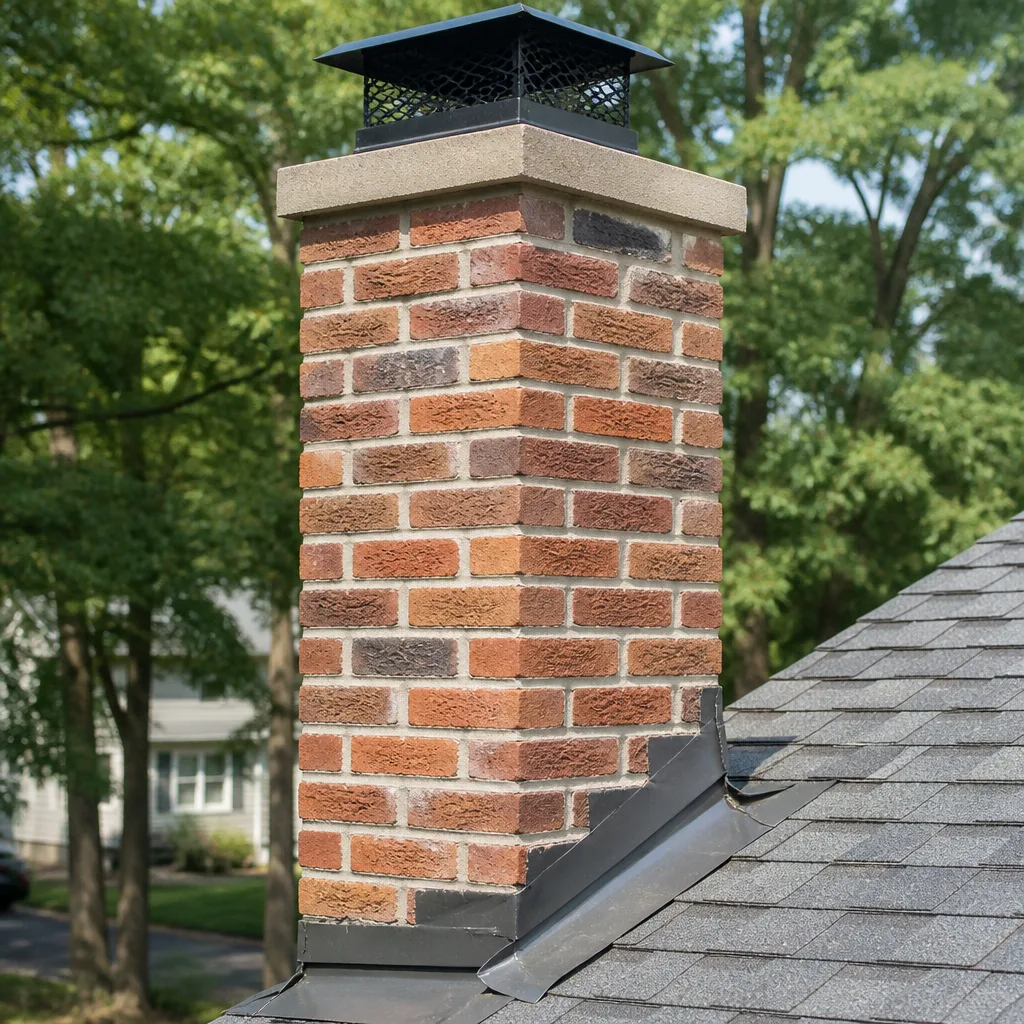 Masonry repair
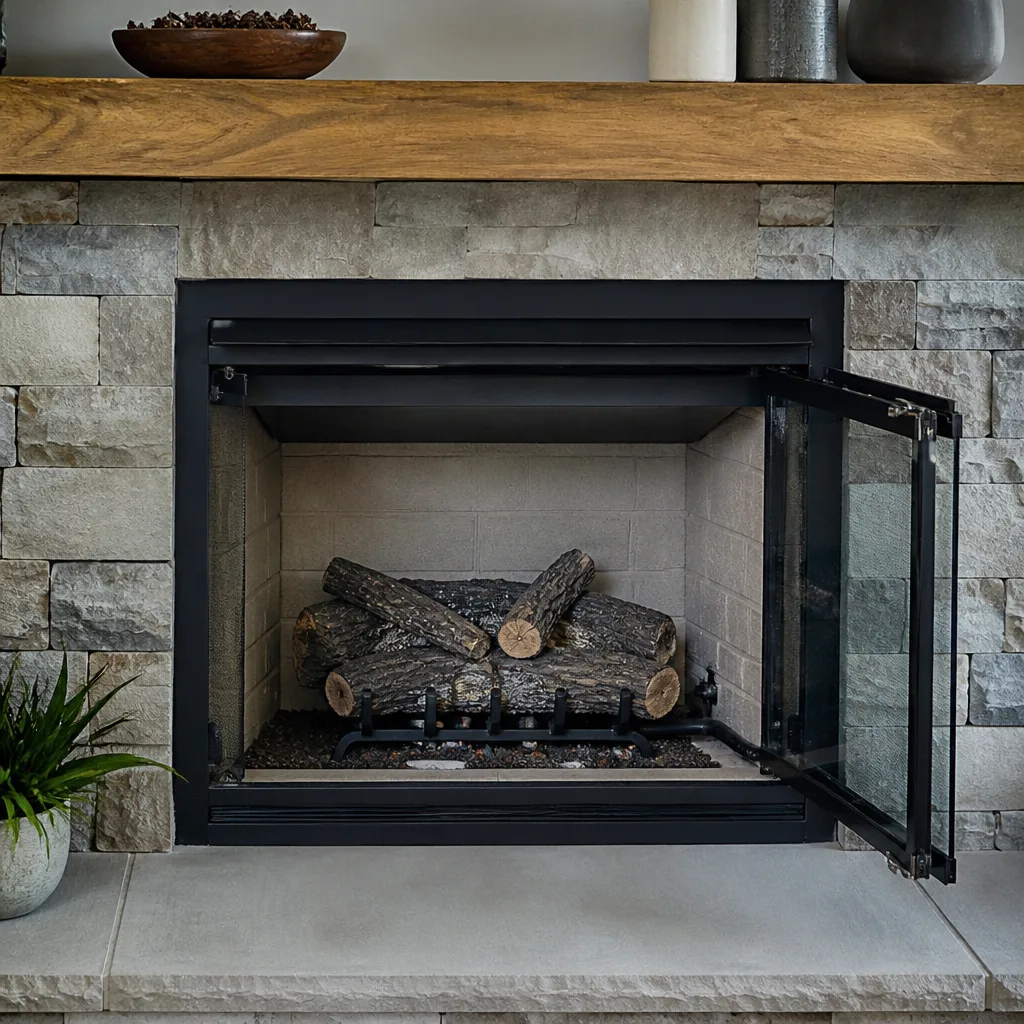 Gas fireplace service
Level 1 sweep and inspection to the NFPA 211 annual standard - flue, crown, cap, and flashing checked and photographed
Chimney sweep logs do not sweep chimneys. They loosen some creosote - which then falls where a brush and vacuum still have to collect it.
Chimney Cleaning Warning Signs: A La Habra Homeowner’s Reference Guide
Most chimney warning-sign checklists tell you to look in the firebox. That’s the one place some problems hide best. In La Habra, the signals that actually matter often sit on the outside face of the masonry, up in the attic, or in the way your fire behaves on a cool winter night. A white stain on the exterior of your chimney isn’t cosmetic. It’s efflorescence, the visible end of a process in which water moves through your brick and mortar and carries dissolved salts to the surface as it dries. By the time you can see it, the masonry has already been saturated through more than one rainy season. This guide walks through the warning signs most homeowner references skip: exterior symptoms, combustion performance clues, odor patterns, and interior signs you can spot without climbing a ladder. We’ll also tell you which ones can wait for your annual visit and which ones shouldn’t.
Quick Answer
The chimney cleaning warning signs that matter most in a La Habra home are efflorescence and spalling on exterior masonry, stucco separation at the roofline, smoky fire starts and difficulty holding draft, musty or animal odors from the firebox, and ceiling stains or drywall cracks along the chimney chase. Any signal that involves water intrusion, a cracked flue, or carbon monoxide detector activity should get a professional response within the week. The rest, like a slow-burning fire or a small creosote glaze, can usually wait for a scheduled annual sweep and inspection.
Styles & brands we work with
- Sweep & inspection
- Caps & crowns
- Flue relining
- Masonry repair
- Gas fireplace service
Table of Contents
- Exterior Warning Signs on La Habra Chimneys
- Combustion Performance: What Your Fire Is Telling You
- Odor Patterns: Creosote vs. Animal vs. Water
- Interior Warning Signs: Ceiling Stains, Drywall Cracks, CO Detectors
- Same-Week Signs vs. Wait-for-Your-Annual-Visit Signs
- What a La Habra Annual Inspection Actually Covers
- Common Mistakes to Avoid
- When to Call a Professional
Exterior Warning Signs on La Habra Chimneys
The exterior of your chimney takes more abuse in La Habra’s climate than most homeowners expect. Winters are mild, but the swing between cool nights and warm afternoons pushes mortar and stucco through thousands of small expansion-and-contraction cycles a year. That thermal cycling is what eventually opens hairline cracks at the joints, and once water finds a path in, it doesn’t need a storm to keep working. Morning dew and a single wet season will do it.
Here’s what to watch for on the outside of the chimney:
- Efflorescence: a chalky white or gray stain on brick or stucco. This is dissolved salts pushed to the surface by moisture moving through the masonry. It’s the earliest reliable clue that water is getting in somewhere.
- Spalling mortar: the joints between bricks begin to crumble, flake, or pull away in small chunks. This is thermal cycling plus moisture, and it gets worse quickly once it starts.
- Spalling brick faces: the front of a brick pops off in a thin flake or peels away entirely. That brick is no longer weather-tight and lets water reach the interior of the wall.
- Stucco separation at the roofline: where the chimney meets the roof, the stucco can pull away and open a gap. That gap is a straight shot for rain into the framing and the attic.
- Crown cracks: the sloped crown at the top of the chimney is designed to shed water. Once it cracks, water pools and works down into the flue.
- Rust streaks or dark runs: usually a sign the chase cover or cap is failing and metal is corroding.
None of these are cosmetic. Each one is a water entry point, and water is the leading cause of long-term chimney deterioration. If you see several of these together, it’s worth having the whole structure looked at rather than patching a single spot. A chimney repair visit is usually the right call, and the sooner the better because masonry gets more expensive to fix the longer water keeps working on it.
Combustion Performance: What Your Fire Is Telling You
Your fire itself is a diagnostic tool. A chimney that’s venting correctly pulls smoke up and out with almost no effort. A chimney with a compromised flue, an obstruction, or a draft problem shows it in the way the fire behaves. Most homeowners notice something feels “off” before they can name it. Here are the patterns worth paying attention to.
- Slow, reluctant fire starts. Wood that used to catch quickly now smolders. This can mean wet wood, but it can also mean the chimney isn’t pulling air the way it should. If the wood is dry and the fire still struggles, suspect draft.
- Smoke rolling into the room. A puff of smoke when you open the door is normal in some setups. A steady drift of smoke into the living room, especially on cool mornings or when the outdoor temperature is mild, points to a draft problem or a partial blockage.
- Difficulty maintaining draft. The fire burns well for twenty minutes and then stalls. Or it burns fine on a cold night and poorly on a warm one. Draft that comes and goes usually means the flue is undersized for the appliance, cold, or partially blocked.
- Blackened glass or heavy soot after a single fire. This signals incomplete combustion, which means more creosote in the flue and less heat in the room.
- A fire that “roars” in a way it didn’t before. An unusually loud, rushing draft can indicate a flue that has lost integrity and is pulling air through cracks.
Two of these together, especially smoke rollout plus a slow start, justify a professional look. It’s one thing to have a draft that’s a little off. It’s another to have a fire that’s starving for air because creosote has narrowed the flue. When we identify the cause, we fix it in the same visit. That’s part of how a chimney sweep appointment usually goes for us.
Odor Patterns: Creosote vs. Animal vs. Water
Smell is one of the most useful warning signs a homeowner has, but only if you can tell the patterns apart. Three distinct problems produce three distinct odors. If you can describe what you’re smelling, you’ve done half the diagnostic work before anyone knocks on the door.
Creosote odor: a sharp, tarry, smoky smell that lingers in the room even when the fireplace is cold. It’s strongest on warm, humid days and on the first cool day of autumn after a summer of no use. That’s because creosote in the flue is off-gassing. If the smell is pronounced, the creosote layer is heavy enough that it’s likely glazed. That’s the stage that matters for fire risk.
Animal intrusion odor: an acrid, ammonia-like smell, often with scratching or fluttering sounds in the flue at dawn or dusk. Birds, squirrels, and raccoons get into uncapped chimneys in La Habra more often than most people realize, especially in neighborhoods with mature trees. A cap and crown fixes the access point, but the nest material has to come out first.
Water damage odor: a damp, musty, or basement-like smell, usually stronger after rain and worse in the firebox than in the room. This is the pattern that points to a failed crown, a cracked flue, or missing cap rather than to creosote. If the smell is musty and you also see efflorescence outside, the two are connected.
If you can’t tell them apart, that’s fine. Describing the smell and when it’s strongest gives us enough to plan the visit. A musty smell with visible exterior staining points us straight toward moisture. A tar smell with no exterior signs points toward the flue itself.
Interior Warning Signs: Ceiling Stains, Drywall Cracks, CO Detectors
The most serious chimney problems announce themselves indoors, in places homeowners rarely think to look. In a typical La Habra home with a chimney chase running up through the attic and out through the roof, water and heat track along the flue path, and the signs show up on the ceiling and drywall near the fireplace, not just the firebox.
Look for these specifically:
- Ceiling stains near the chimney chase. A brown or tea-colored ring on the ceiling in the room with the fireplace, or on a ceiling in the room above, is water tracking from the roof transition. Even a small stain is a structural signal, not a stain to paint over.
- Drywall cracks along the flue path. Vertical cracks in drywall that follow the line of the chimney can mean the chase framing has moved, either from water or from the heat cycling of the flue. This one is worth professional eyes.
- Water stains inside the firebox or on the firebox walls. Rust on the damper, a wet ash bed after rain, or a water line on the brick inside the firebox all point to a failed crown, cap, or flashing above.
- Carbon monoxide detector activity. If your CO detector has ever alarmed or shown intermittent readings, treat it as an urgent flue integrity issue. A blocked, cracked, or separated flue can let combustion gases back into the home. Do not light another fire until the flue has been inspected.
- White streaks inside the firebox. This is efflorescence showing up indoors, and it usually means the same moisture problem you’d see outside is reaching further in than you realized.
We want to be direct about CO: the detector is the single most important warning signal on this list. Never dismiss an alarm as a false positive on a home with a wood-burning fireplace or a gas appliance vented through the chimney. Test the detector, ventilate, and get the flue inspected before using the fireplace again.
For signs that appear inside the firebox itself, like cracking brick or a damaged damper, that leans into fireplace repair territory and is worth a same-visit look when we’re already there for the sweep.
Same-Week Signs vs. Wait-for-Your-Annual-Visit Signs
Not every warning sign needs an emergency visit. Sorting the list narrows the response and keeps you from either ignoring a real problem or over-reacting to a minor one. Here’s how we’d sort it.
Signs that need a same-week professional response:
- Any carbon monoxide detector activity tied to the fireplace or chimney
- Smoke rolling steadily into the room when the fire is lit
- A visible crack in the flue liner, or a broken flue tile found during inspection
- Water stains on the ceiling, drywall cracks along the chase, or a musty smell inside the firebox
- Visible spalling brick or stucco separation at the roofline
- Animal noise from the flue, or a nest found at the top
Signs that can wait for a scheduled annual visit:
- A slow fire start on wood you already know is dry, without any other symptom
- A light tar smell in the room on warm days, no smoke rollout, no draft problems
- A small crack in the crown visible from the ground, no interior staining
- Light soot on the firebox walls at the end of the season
- Minor creosote buildup with no glazing
The key distinction is whether water or combustion gas is getting somewhere it shouldn’t. Draft problems and creosote alone can usually wait a few weeks. Water intrusion and CO issues shouldn’t. Your written estimate will always set the final price, and it will tell you plainly which of these categories your chimney is in.
What a La Habra Annual Inspection Actually Covers
An annual chimney inspection is not just a quick look up the flue. The industry standard sorts inspections into levels, and most homes need at minimum a Level I inspection each year, with a Level II when there’s a change: a new appliance, a home sale, a chimney fire, or any of the warning signs listed above. Here’s what a thorough visit typically includes.
- Exterior survey from the ground and roofline. Efflorescence, spalling, stucco separation at the roof transition, crown condition, cap and chase cover integrity.
- Firebox and damper check. Brick condition, damper operation, water staining, and the state of the fireback.
- Flue inspection. Creosote measurement, obstruction check, and – when a Level II is indicated – a camera view of the flue interior so you can see what we see.
- Attic and chase review. If accessible, we look for signs of water tracking, rust on metal flue pipe, or movement in the chase framing.
- Report and photos. You get a written summary and images of anything concerning, so you can see the evidence for yourself rather than take a description on faith.
That last piece is the part homeowners tell us matters most. You should never be asked to authorize liner work or masonry repair based on a verbal description alone. If a problem is real, it shows up on camera and in photos, and you can see it. If a problem can safely wait, we’ll tell you that too. Being able to tell you something can wait is one of the reasons we use HeatShield and professional-grade liners like those from Olympia Chimney and DuraFlex in the first place: they let us choose the right level of repair, not the biggest one.
Common Mistakes to Avoid
- Painting over a ceiling stain. A ceiling stain near the chimney chase is a water signal, not a cosmetic flaw. Paint hides the evidence and lets water keep working on framing and drywall. Find the source first.
- Treating efflorescence as a cleaning problem. Scrubbing a white stain off brick doesn’t stop the water that produced it. The stain will come back until the entry point is sealed.
- Assuming smoke rollout is normal because “the chimney’s always been that way.” Mild smoke on opening the door is normal. Steady drift into the room is a symptom, and in mild La Habra weather it’s often more pronounced than in colder climates because the indoor-outdoor temperature difference is smaller.
- Waiting out a CO alarm. If the detector has been triggered and the chimney is involved, don’t burn another fire before inspection. This is the one signal on the list that should never wait.
- Hiring the same crew that cleans to “diagnose” without showing you evidence. Before authorizing a reline or masonry work, ask to see the flue camera photos and the condition assessment. Any honest specialist will show you.
- Skipping the sweep because “we don’t use the fireplace much.” Low use still produces creosote, and it also lets animals and moisture get into an uncapped flue. A once-a-year sweep with inspection is the cheapest way to keep water and nesting from becoming structural issues.
- Buying a hardware-store cap to replace a proper cap. Sizing and venting matter. A cap that doesn’t match the flue can obstruct draft or rust out within a season. Professional-grade cap and crown work is designed to sit flush and shed water correctly.
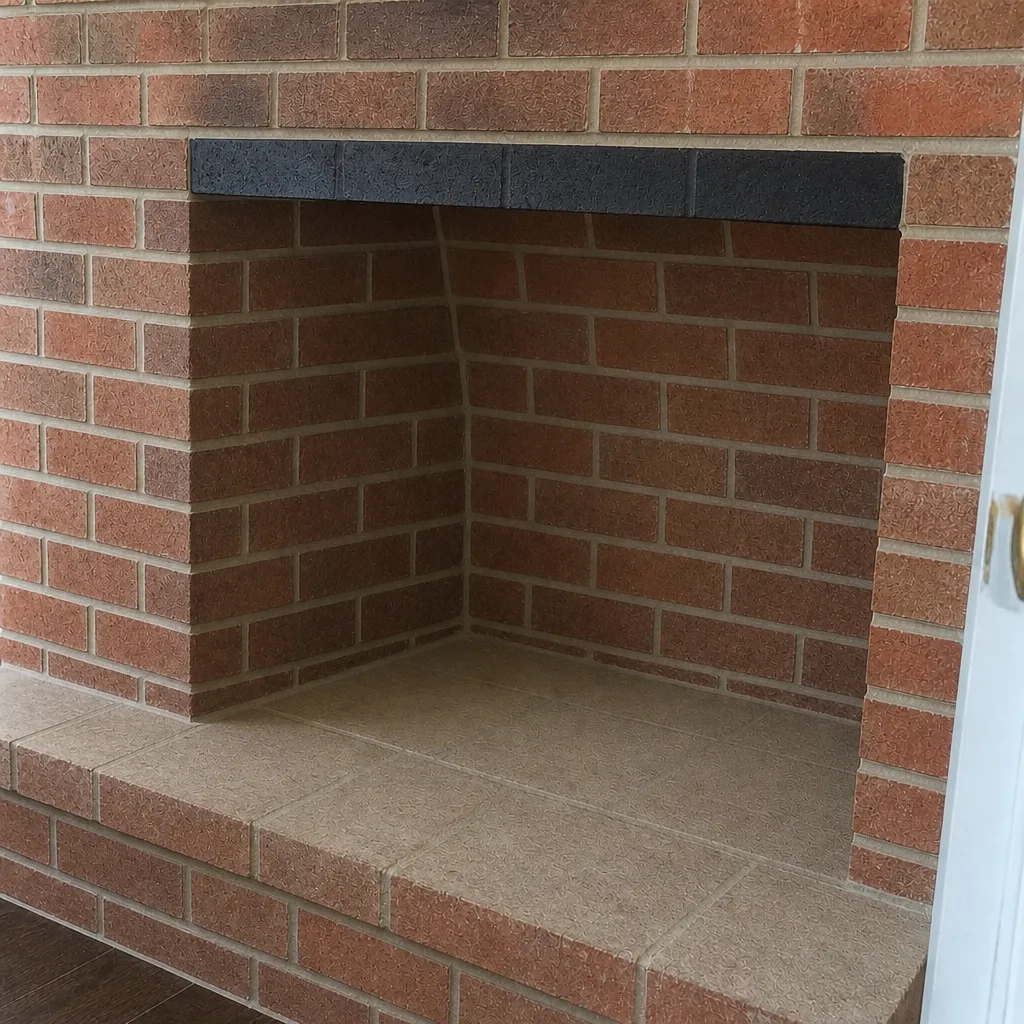
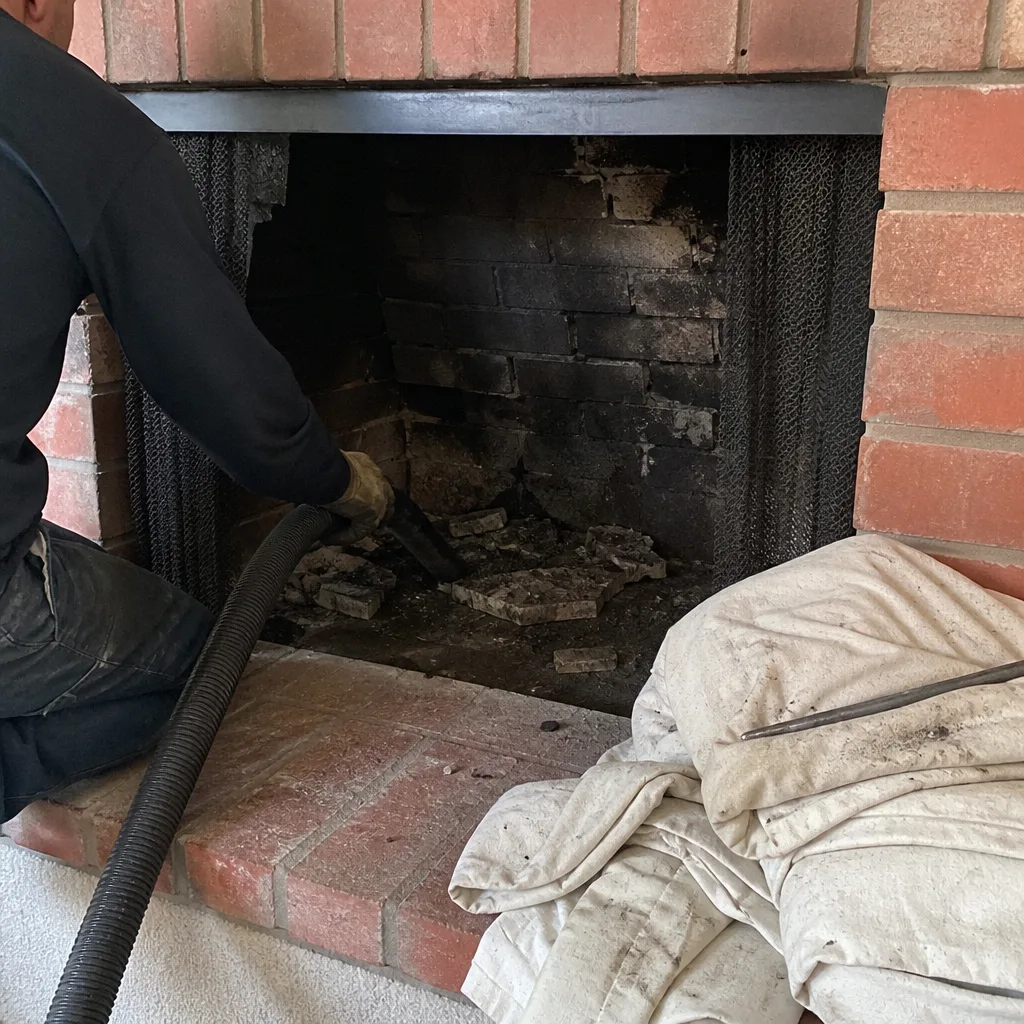
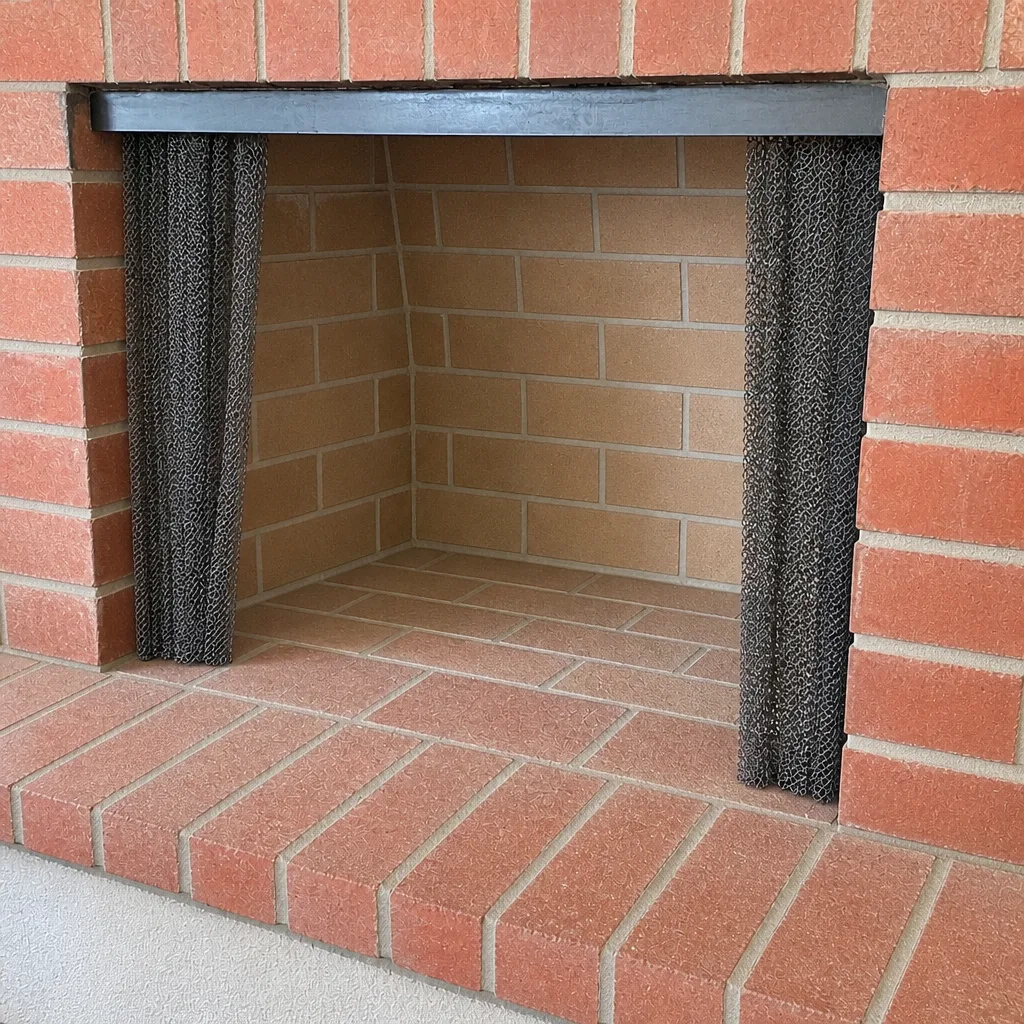
See the difference
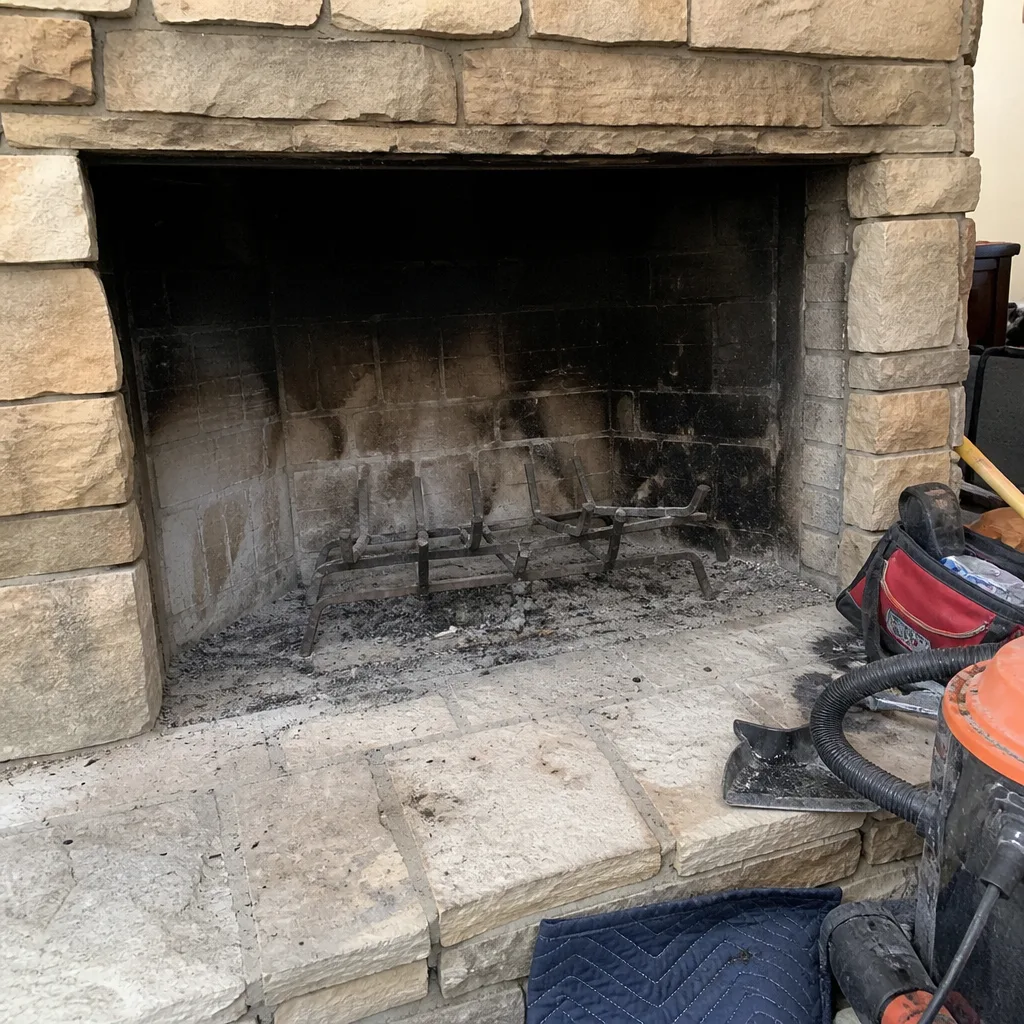 Before
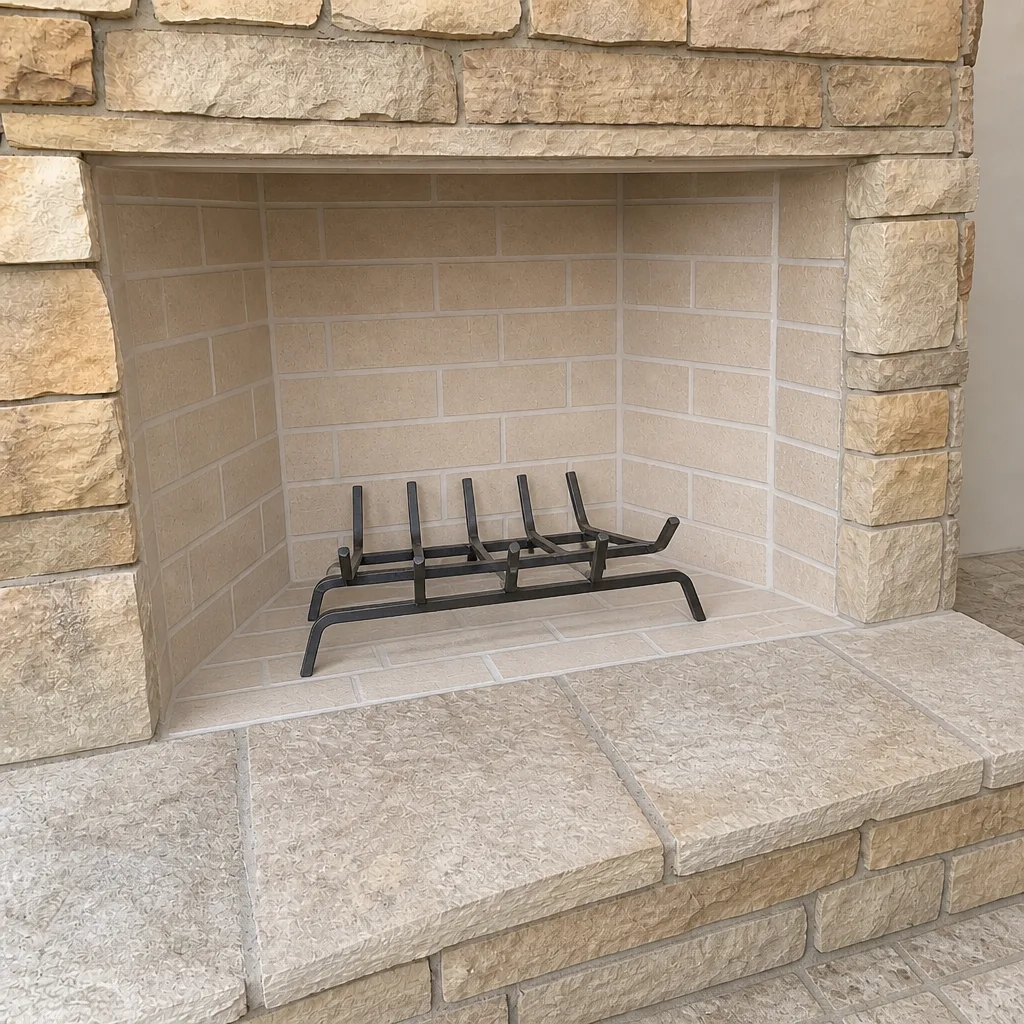 After
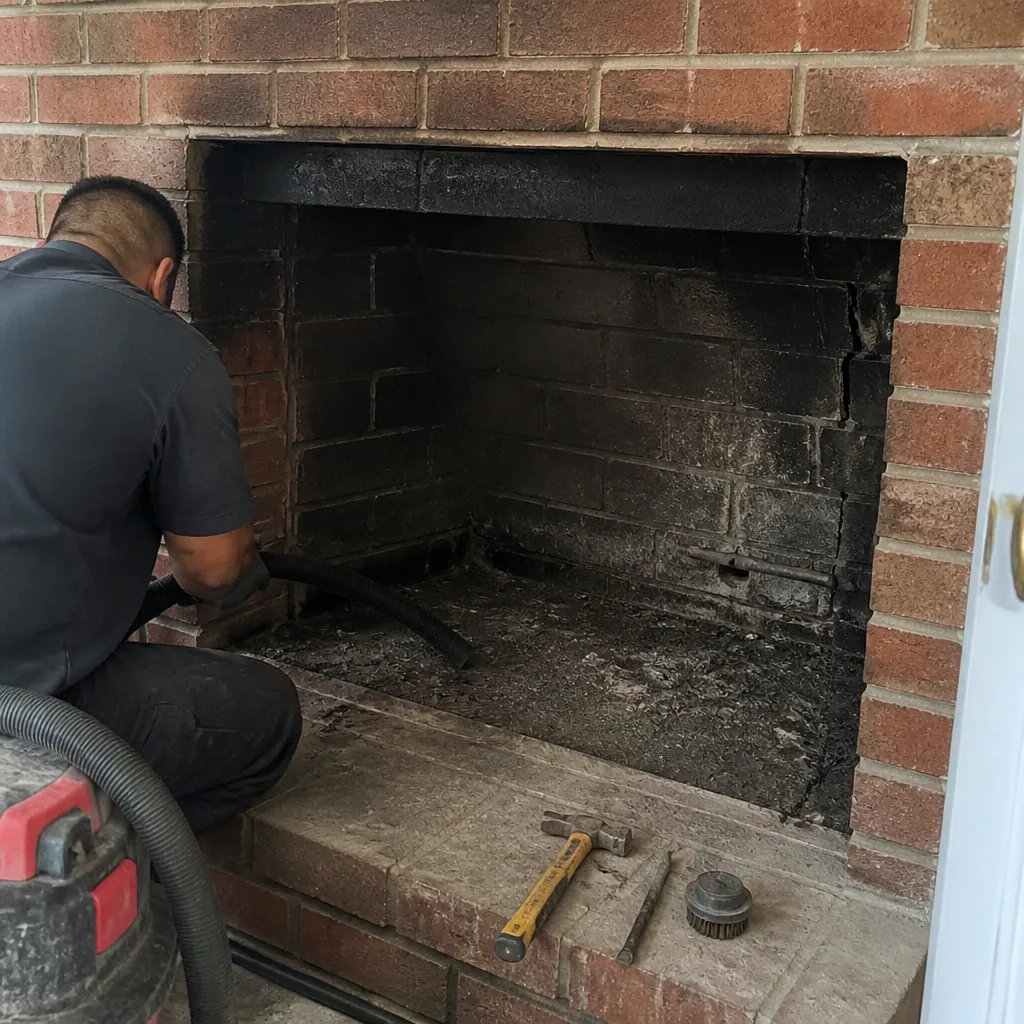 Before
 After
 Before
 After
When to Call a Professional
Call us when a warning sign crosses into the same-week category: any carbon monoxide detector activity, smoke rolling into the room, a visible flue crack, water staining on the ceiling or inside the firebox, or pest noise from the flue. Call when you’re selling a home and need documented inspection findings. Call when the smell has changed from a light seasonal smoke to something tar-like or musty, and you can’t tell which. If you’re not sure whether a sign is urgent, describe it on the phone and we’ll tell you. There’s no charge for that answer.
La Habra Chimney Sweep Pros offers free estimates in La Habra. We answer 24/7, with fast dispatch from 7am to 7pm, Sunday through Friday. Call (855) 337-1997. Our technicians have up to 14 years of experience, and every written estimate sets the final price before any work begins.
Frequently Asked Questions
The most common in La Habra are efflorescence (a chalky white stain) on exterior masonry, spalling mortar at the joints, stucco separation where the chimney meets the roofline, and a sharp tar smell from the firebox on warm days. Any of these, combined with smoke rollout or ceiling staining, points to a bigger problem than a simple cleaning. Call (855) 337-1997 and we’ll help you sort which category your signal falls into – estimates are free.
Once a year is the general standard, and most La Habra homeowners fall into that rhythm because fireplaces here see moderate use in the cool months. Homes with heavy use during winter, or with a wood stove, may need a mid-season sweep. If you’re not sure, book an annual visit and we’ll measure the creosote and tell you honestly whether a second sweep makes sense this year. Call (855) 337-1997 for an exact estimate – estimates are free.
Not always. A cracked clay tile can sometimes be resurfaced with HeatShield rather than fully relined, which costs significantly less than demolition and full reline work. Whether you need a full liner depends on the extent of the damage shown on camera. We walk you through the flue photos and let you decide with the evidence in front of you. Call (855) 337-1997 to schedule an inspection – estimates are free.
Creosote keeps building until it reaches a glazed, gummy stage that burns hotter and is harder to remove. At the same time, an uncapped flue lets in water and nesting material, and both damage the masonry from inside. Skipping one year is usually recoverable. Skipping several is when sweep-and-inspect turns into a masonry repair conversation. Call (855) 337-1997 before that happens – estimates are free.
Not always. A brief puff when the fire is first lit can be normal in some setups, especially in mild La Habra weather when the chimney is cold. Continuous drift, or smoke smell lingering after the fire is out, points to a draft or obstruction problem worth looking at. If the smell is tar-like or musty, it’s more likely creosote or moisture. Call (855) 337-1997 for a professional look – estimates are free.
Often, yes. Because we cover sweeping, inspection, and full chimney repair under one roof, we don’t hand off a repair to a separate contractor once the inspection reveals problems. Small fixes like a cap replacement, a crown repair, or a damper adjustment are typically done in the same visit. Larger liner work is scheduled once the estimate is in your hands. Call (855) 337-1997 to book – estimates are free.
The Bottom Line
The warning signs that matter most for a La Habra homeowner are usually the ones outside the firebox, not inside it. Efflorescence, spalling mortar, stucco separation at the roofline, and crown cracking all point to water moving through masonry, which is the leading cause of long-term chimney deterioration. Combustion symptoms like slow fire starts and smoke rollout point to the flue. Odors and indoor signs like ceiling stains and drywall cracks confirm what the exterior already told you. Any CO detector activity is urgent, and everything else can usually be sorted into a scheduled visit. When we do the inspection, we show you the evidence and tell you honestly what can wait. Industry-grade products like Gelco, Copperfield, and HeatShield let us match the repair to the problem, not the other way around. If any of these signs show up in your home, book the visit and let a trained eye weigh in.
Call (855) 337-1997. We answer 24/7. Fast dispatch from 7am to 7pm, Sunday through Friday. Free estimates in La Habra.
Written by the team at La Habra Chimney Sweep Pros.