
Last updated November 25, 2026
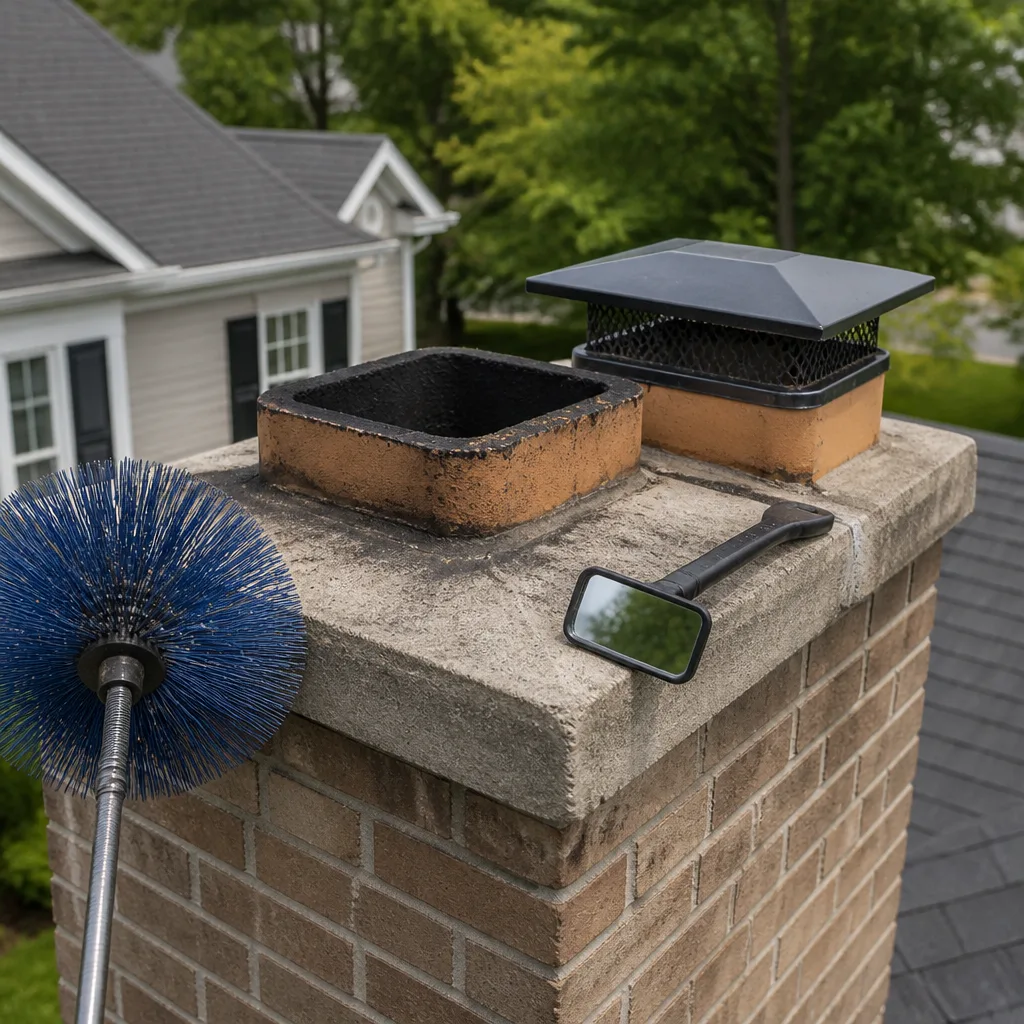 Sweep & inspection
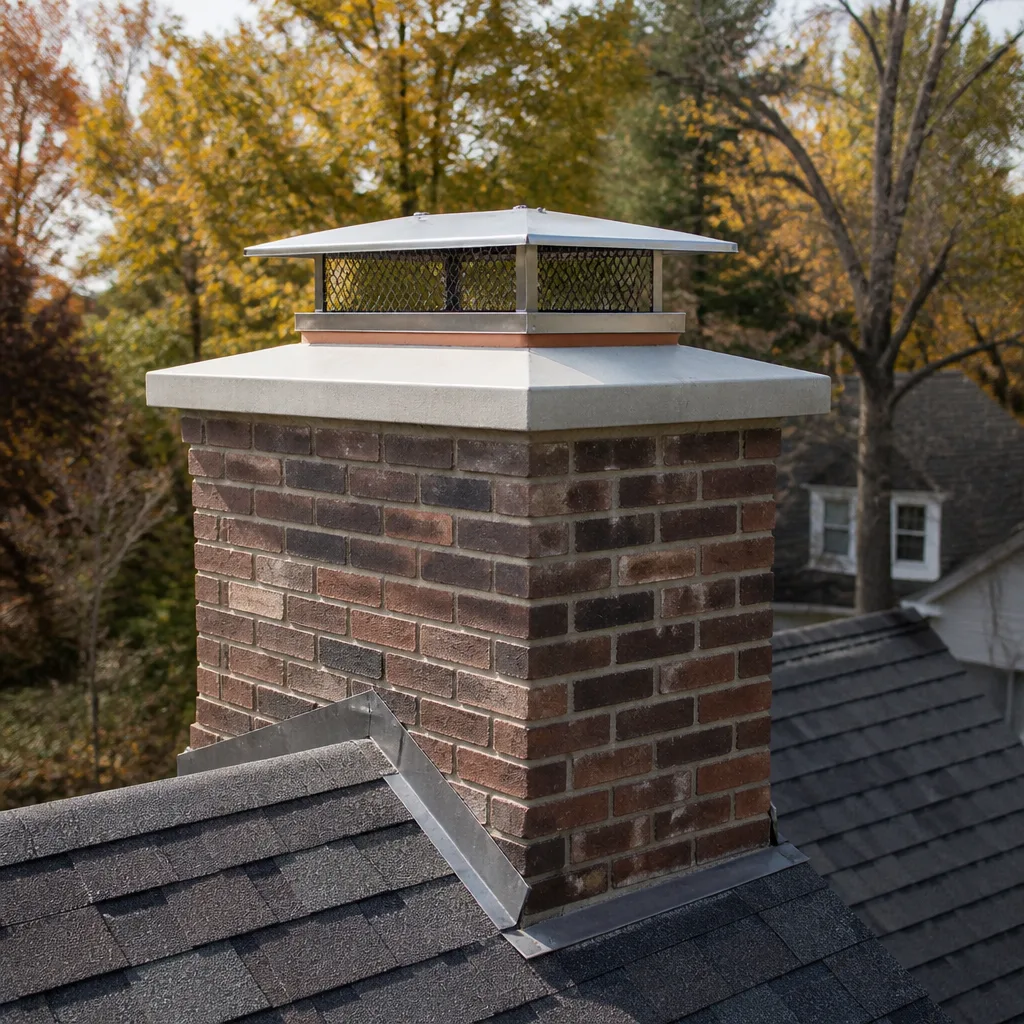 Caps & crowns
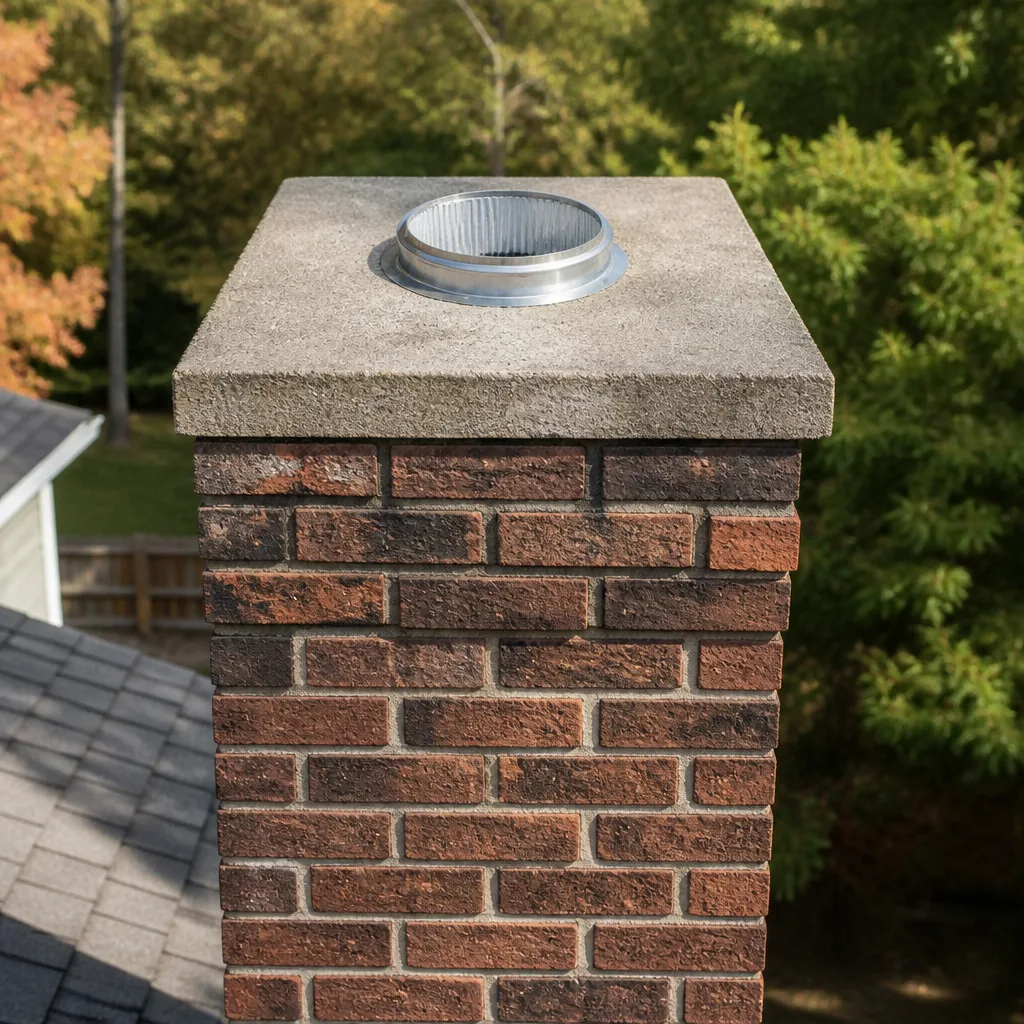 Flue relining
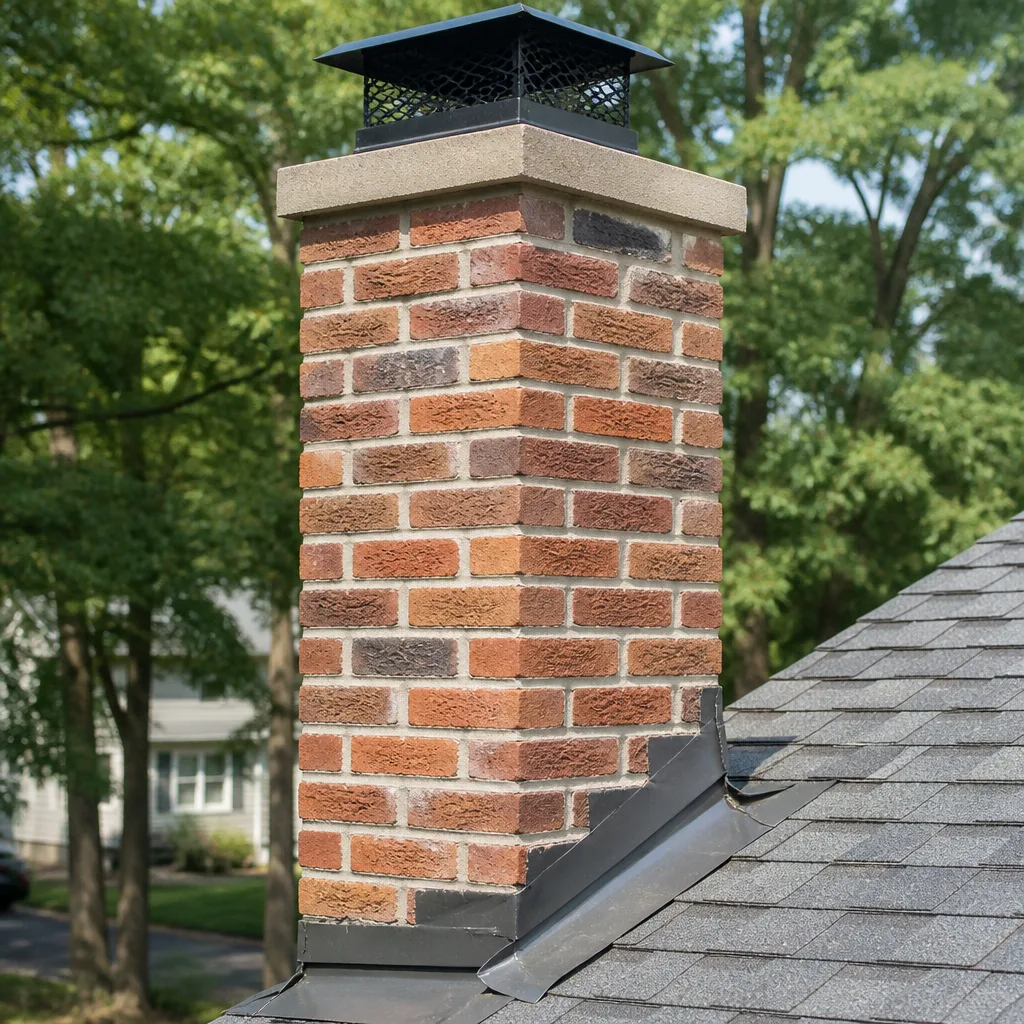 Masonry repair
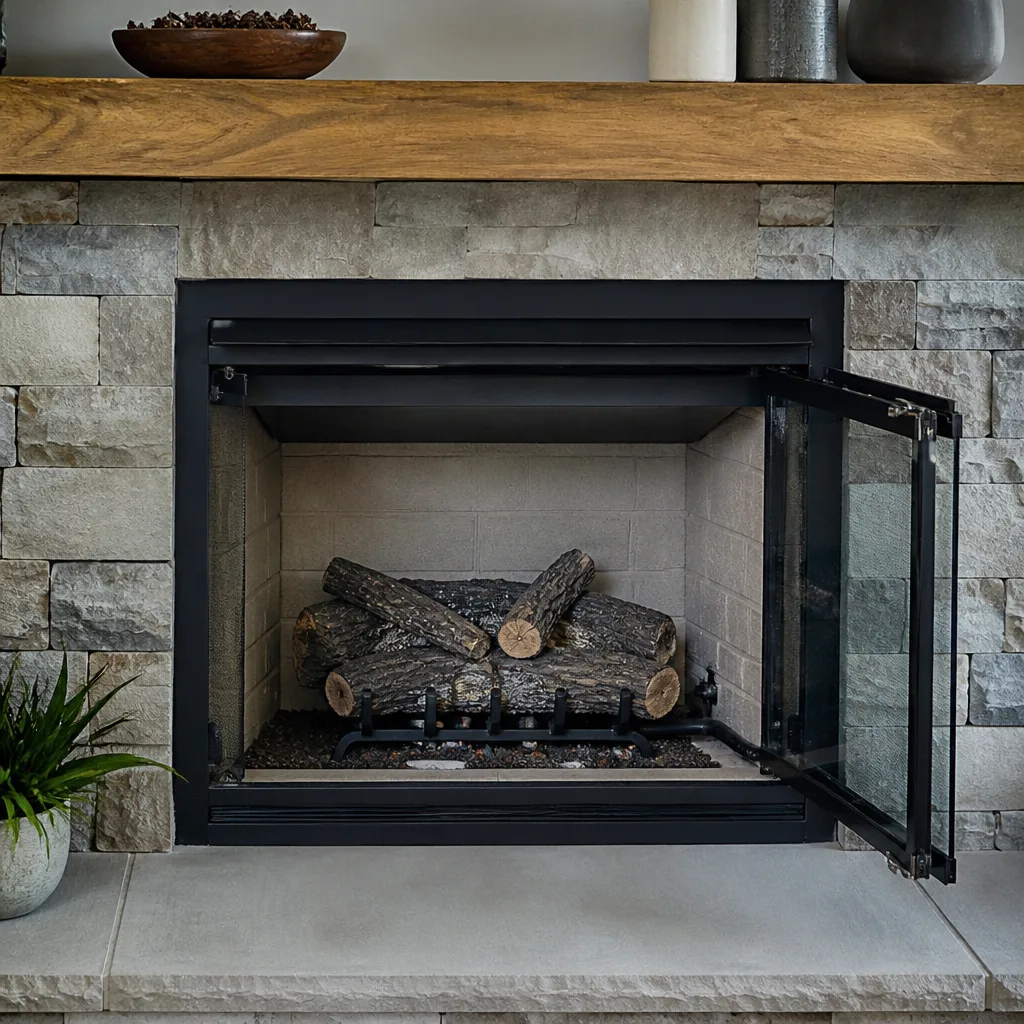 Gas fireplace service
Level 1 sweep and inspection to the NFPA 211 annual standard - flue, crown, cap, and flashing checked and photographed
Chimney sweep logs do not sweep chimneys. They loosen some creosote - which then falls where a brush and vacuum still have to collect it.
Chimney Sweep Maintenance Checklist for La Habra Homeowners
A cracked flue tile can vent combustion gases into your wall cavity for two full heating seasons before anything looks wrong inside the firebox. That’s the uncomfortable truth most chimney checklists skip. The failures that cost the most in La Habra, from spalling flue tiles to a mortar crown quietly turning to sand, rarely announce themselves with smoke in the living room or a visible crack you can spot from the hearth. They fail silently until the damage is already done. So we built this guide differently: we sequence every task by whether it’s something you can actually verify yourself or something that needs a camera, a mirror, or a trained eye. By the end, you’ll know what to check, how often, and what records to keep.
Quick Answer
A sound chimney maintenance routine in La Habra gets swept and inspected once a year if you burn wood regularly, or every two years if you light the fireplace a few times a season. That annual visit should include a camera or mirror inspection of the flue, a check of the cap and mortar crown, and a damper function test. The tasks you can verify yourself, like creosote buildup and crown cracks you can see from the ground, are worth doing monthly during burning season. Everything above the firebox needs professional eyes.
Styles & brands we work with
- Sweep & inspection
- Caps & crowns
- Flue relining
- Masonry repair
- Gas fireplace service
Table of Contents
- Owner-Visible vs. Hidden: Splitting the Checklist
- Mortar Crown and Cap: The Top-Down Inspection Points That Matter Here
- Annual vs. Biennial: Setting Your Cadence by Real Usage
- Damper Function Tests That Reveal Liner Trouble Early
- The Full Maintenance Sequence, Step by Step
- What Records to Keep and Why They Protect Resale Value
- How to Choose a Chimney Professional
- A Season-by-Season Calendar for La Habra
Owner-Visible vs. Hidden: Splitting the Checklist
The single most useful thing you can do for your chimney is understand which checks belong to you and which belong to a professional. Most homeowners treat the entire system as one undifferentiated black box, which is exactly when small problems hide for years. Splitting the list in two changes that.
Owner-visible items are things you can verify with your eyes, from the hearth or from the ground with a pair of binoculars:
- Creosote buildup inside the firebox and the smoke chamber you can see
- Visible cracks in the firebox brick or mortar joints
- The condition of the damper plate and whether it opens and closes smoothly
- From the ground: the cap on top, the mortar crown around it, and any obvious leaning or missing bricks
- Water stains on the ceiling or walls near the chimney chase
- Whether smoke drafts up cleanly when you first light a fire
Hidden items require a camera or mirror and a trained set of eyes. These are the checks that catch silent failures:
- Flue tile integrity above the firebox, especially at the joints
- Mortar joint condition inside the flue, not just at the firebox
- The smoke shelf and smoke chamber behind the damper
- The interior of the crown and the top few courses of brick where water enters first
- Whether the flue liner has gaps, offsets, or signs of HeatShield-style resurfacing applied previously
In our experience, a La Habra homeowner who does the monthly owner-visible round catches the obvious problems, and the annual inspection catches everything else. That combination is what a maintenance checklist is actually for.
Mortar Crown and Cap: The Top-Down Inspection Points That Matter Here
Water is what kills chimneys in La Habra, and the crown and cap are where water gets in. The mortar crown is the sloped concrete or mortar cap at the very top of the chimney. Its job is to shed rain away from the flue. When it cracks, water runs down into the masonry, soaks the brick, and starts the slow cycle of spalling and mortar failure that eventually needs real chimney repair. The cap, sitting over the flue itself, keeps rain, animals, and debris out of the flue.
La Habra sits in a temperature-swing climate. Summer afternoons push well into the 90s, and winter mornings land in the 40s. That swing causes the mortar crown and the brick below it to expand and contract across the year, which is exactly how hairline cracks start. The crack isn’t the problem by itself. The water that gets into it is. So the crown is the first thing we look at on any inspection.
Here’s what to check on the crown and cap, in order:
- Crown cracks: From the ground, look for visible cracks, especially near where the flue exits the crown. Cracks wider than a hairline need a professional look.
- Crown slope: The crown should slope away from the flue. A flat or dished crown holds water.
- Cap presence and fit: A missing or loose cap is an open invitation for rain and animals. A cap that doesn’t fit the flue properly lets water in around the edges.
- Brick spalling near the top: Brick faces that are flaking or crumbling near the crown are a sign water has been entering for a while.
- Efflorescence: White, powdery staining on exterior brick is a sign of moisture moving through the masonry.
The reason we treat cap and crown work as its own service, not an afterthought to a sweep, is that it addresses the number one moisture entry point on any chimney. If your cap and crown are sound, most of the expensive chimney problems never start.
Annual vs. Biennial: Setting Your Cadence by Real Usage
Most advice says “sweep once a year,” full stop. That’s a reasonable default, but it’s not actually how often your chimney needs cleaning. Usage frequency, wood type, and how you run the fire all change the answer. Here’s how to set your own cadence honestly.
How often do you actually burn?
- Regular use (a fire most nights during the cool months): Sweep annually. Creosote builds fast with consistent burning, and the flue needs a clear look every year.
- Moderate use (a few fires a week during the cool months): Sweep annually and inspect annually. This is the sweet spot for most La Habra homes.
- Occasional use (a handful of fires a season): Sweep every two years, but still inspect the crown, cap, and damper annually. Inspection is cheap; damage is not.
- Gas fireplace (no wood): The firebox and vent still need an annual inspection and cleaning, but you’re not dealing with creosote. The main concern is the vent and the cap.
What about wood type?
Seasoned, dry hardwood leaves far less creosote than green or unseasoned wood. If you’re burning wet wood or a lot of softwood, your creosote accumulates faster and your cadence should tighten. If you’ve been burning dry oak all season, your annual check may show very little buildup.
The one rule that overrides all of this
If you’ve had a chimney fire, a smoky backup into the room, or an animal get into the flue, sweep and inspect right away regardless of your cadence. Those events are the ones that reveal problems you can’t predict on a schedule. We’ve seen enough of these to say plainly: an annual visit is the floor, not the ceiling.
Damper Function Tests That Reveal Liner Trouble Early
The damper is the plate above the firebox that opens and closes to control draft. It’s one of the most useful diagnostic tools in the whole chimney, and almost no homeowner uses it that way. Here’s how to run a basic damper test, and what the results are telling you.
- Open the damper fully. It should move smoothly through its whole range. A damper that sticks, binds, or only opens partway is telling you something about the smoke chamber or the damper frame.
- Shine a light up past the damper. With the damper open, use a strong flashlight to look up into the smoke chamber. You should see the smoke shelf, the damper frame, and the entry into the flue. Look for gaps, cracked mortar, or separations in the flue tiles.
- Light a small test fire. With the damper open, a small piece of paper should draft up cleanly. If smoke rolls back into the room before the flue warms up, that’s a draft problem. A flue that used to draft fine and now doesn’t is a signal that something has changed inside.
- Close the damper and check the seal. With the fire out, close the damper and look for light coming through the seams from above. A poorly sealing damper wastes heat when the fireplace isn’t in use, but it also tells you the frame may be warped.
- Listen for the draft after the fire dies. A cold flue with the damper open should still pull air gently upward. If you feel air pushing down or smell last night’s fire in the morning, the flue may be blocked, offset, or the liner may have separated.
What the damper test catches early is the difference between a flue that’s simply dirty and a flue that’s structurally compromised. A crack at a flue tile joint above the damper can be visible with a mirror and flashlight before it ever causes a problem you can feel. That mirror check is one of the reasons a proper chimney sweep visit includes a look above the firebox, not just a brush down the flue.
Safety note: don’t put your head inside the firebox or reach up into the smoke chamber. The damper test is about visual confirmation with a light, not hands-on probing. Anything that requires real contact with the flue interior is a professional job.
The Full Maintenance Sequence, Step by Step
Here’s how we sequence a full maintenance visit from the firebox to the crown. This is the order that makes sense because it works top-down on the diagnosis and bottom-up on the actual work, which is the efficient way to handle a chimney you’re going to inspect, clean, and protect in one visit.
- Interview the homeowner. What you burn, how often, whether you’ve noticed smoke backing up, animals in the flue, or water stains. This frames the inspection.
- Inspect the firebox. Look for cracked brick, open mortar joints, and the condition of the firebrick. A cracked firebox brick can allow heat to reach combustible structure, so this is a real safety check, not cosmetics.
- Run the damper test. As described above, with a flashlight look up into the smoke chamber. Note any gaps, cracks, or separations.
- Inspect the flue from below. A camera run down from the top or up from the firebox shows the full length of the flue. This is where flue tile spalling, gaps, and previous liner work show up. We use a camera because a visual check from the damper can’t see past the first offset.
- Inspect from the roof. The crown, cap, top brick courses, and the top of the flue. Note crown cracks, cap fit, spalling, and efflorescence.
- Sweep the flue. Proper brushes matched to the flue size and liner material. This is also when a camera run confirms nothing was left behind.
- Clean the firebox and smoke chamber. Remove ash and soot. This is also when a worn damper or gasket gets noted.
- Address what the inspection found. A cracked crown, a missing cap, or a compromised flue liner gets repaired or restored. If the flue liner can be resurfaced with HeatShield, that’s often preferable to a full reline. If the flue has a bend or offset, a flexible DuraFlex liner is the right tool, and rigid liner products simply don’t fit those geometries. This is the step where “identify it and fix it” happens without handing off to another contractor.
- Document everything. Photos of the flue, the crown, and the cap. Records of the work performed. This is the file you’ll want later.
That sequence is what “inspected, cleaned, and protected in one visit” actually means in practice. The chimney is a venting system, not just a fireplace feature, and the whole thing is checked as a system in one pass.
What Records to Keep and Why They Protect Resale Value
Chimney records are one of the few home maintenance files with real monetary value. When a buyer’s inspector looks at your chimney, the first question is almost always “when was this last serviced, and do you have documentation?” A folder with the right records answers that question in a way a verbal “we had it cleaned last year” cannot.
Here’s what to keep from each service visit:
- The inspection report. Whether it’s a sweep with a video inspection or a more involved inspection, keep a written report that notes what was found and what was done.
- Photos and video of the flue. Before-and-after footage of the flue interior, and shots of the crown and cap condition.
- Brand and material records for any repair. If a liner was restored or replaced, keep the product name and material documentation. DuraFlex, HeatShield, Gelco, and Olympia Chimney all have material standards, and knowing exactly what went into your chimney matters later.
- Dates and scope of work. What was cleaned, what was repaired, and when. This is the record a future buyer’s inspector will look for.
- Any warranty documentation for parts or materials. If a component is covered, keep the paperwork.
For insurance, the reason to keep records is different. Most homeowner policies treat chimney problems differently depending on whether they were caused by a maintenance failure or a sudden event. A clear history of annual maintenance is evidence you took care of the system. A gap of five years with no records makes a claim harder to settle and gives an adjuster a reason to ask whether the problem was preventable.
We keep records on every visit for this reason. Built to last, not patched to pass also means writing it down so the next person can see what was done.
How to Choose a Chimney Professional
The single most important decision you’ll make for your chimney is who looks at it. The work is specific, and the wrong person can leave you with an expensive problem that didn’t need to exist. Here’s what a sound choice looks like.
What to look for
- Full scope under one company. Sweeping, inspection, crown and cap work, and structural repair should all come from the same company. When a sweep hands off repair work to a separate crew, nobody owns the whole system.
- Professional-grade materials. HeatShield, DuraFlex, Gelco, Olympia Chimney, and Famco products all have material performance standards. Generic hardware-store alternatives do not. Ask what’s going into your chimney and why.
- Camera inspection as standard. Anyone sweeping your flue without a camera is guessing at the state of the liner above the firebox.
- Written estimate before work begins. The price is set per job by a written estimate, not a verbal guess.
- Clear documentation you can keep. A professional hands you photos and records without being asked.
Red flags
- A sweep who recommends a full reline before a camera inspection
- Anyone who can’t explain why a repair is needed in plain language
- A company that subcontracts the structural work to a crew you never meet
- A quote that changes after the work starts without a documented reason
The fireplace repair side of the system deserves the same scrutiny. A fireplace that smokes into the room, drafts poorly, or has a worn damper is a chimney problem, not a fireplace cosmetic problem, and it should be diagnosed as part of the whole system.
A Season-by-Season Calendar for La Habra
La Habra’s heating season is mild and predictable, which makes scheduling easier than it is in colder climates. Here’s how we’d lay out a year of chimney maintenance.
Late summer / early fall: the pre-season visit
Before the first cool evenings, get the sweep and inspection done. The flue has been sitting since last season, and the crown and cap have been through a summer of temperature swings and dry heat. Catching a crown crack now means it doesn’t get worse over the winter. This is also the time to test the damper and walk through the smoke chamber.
Through the burning season: the owner check
Once a month while you’re burning, run through the owner-visible list. Look inside the firebox, check the damper, glance at the ceiling around the chase, and from the ground check the cap and crown. Any change from the fall inspection is worth a call.
Spring: the post-season look
After the last fire, look at the creosote buildup and the condition of the firebox. If the buildup is heavy, it’s worth a sweep before the chimney sits for months. This is also when a crown or cap that took winter rain shows its problems, because moisture damage gets worse, not better, while the chimney sits.
Year-round: the moisture watch
In La Habra, the crown and cap are the parts that need watching between scheduled visits. Water entry doesn’t wait for the heating season. A missing cap or a cracked crown found in July is a repair you schedule before it becomes a structural problem by December.
Common Mistakes to Avoid
- Skipping the camera inspection because the sweep looks fine from the firebox. A visual check from below the damper can’t see the first offset in the flue. Flue tile damage above that point is exactly the silent failure the camera catches.
- Assuming a clean flue means a healthy chimney. The crown, cap, and smoke chamber can be in trouble while the flue itself is spotless. Cleaning and inspecting are two different tasks, and only one of them is about creosote.
- Ignoring a missing or loose cap. In a climate with real winter rain, an uncapped flue is the fastest path to a saturated chimney and a spalled flue liner.
- Letting an uncracked crown look “fine” without checking the slope. A crown that’s flat or dished holds water even without a visible crack, which is why slope matters as much as crack inspection.
- Using a generic hardware-store liner. Professional-grade products like HeatShield and DuraFlex are rated to standards that off-brand substitutes aren’t, and your chimney is a venting system, not a place to cut corners.
- Filing paperwork nowhere. The most common resale problem is a homeowner who had the work done but can’t produce the record. Keep the report, the photos, and the material documentation.
- Scheduling a repair with a company that will hand the actual work to another crew. When the inspection and the repair happen under one roof, someone is accountable for the whole result.
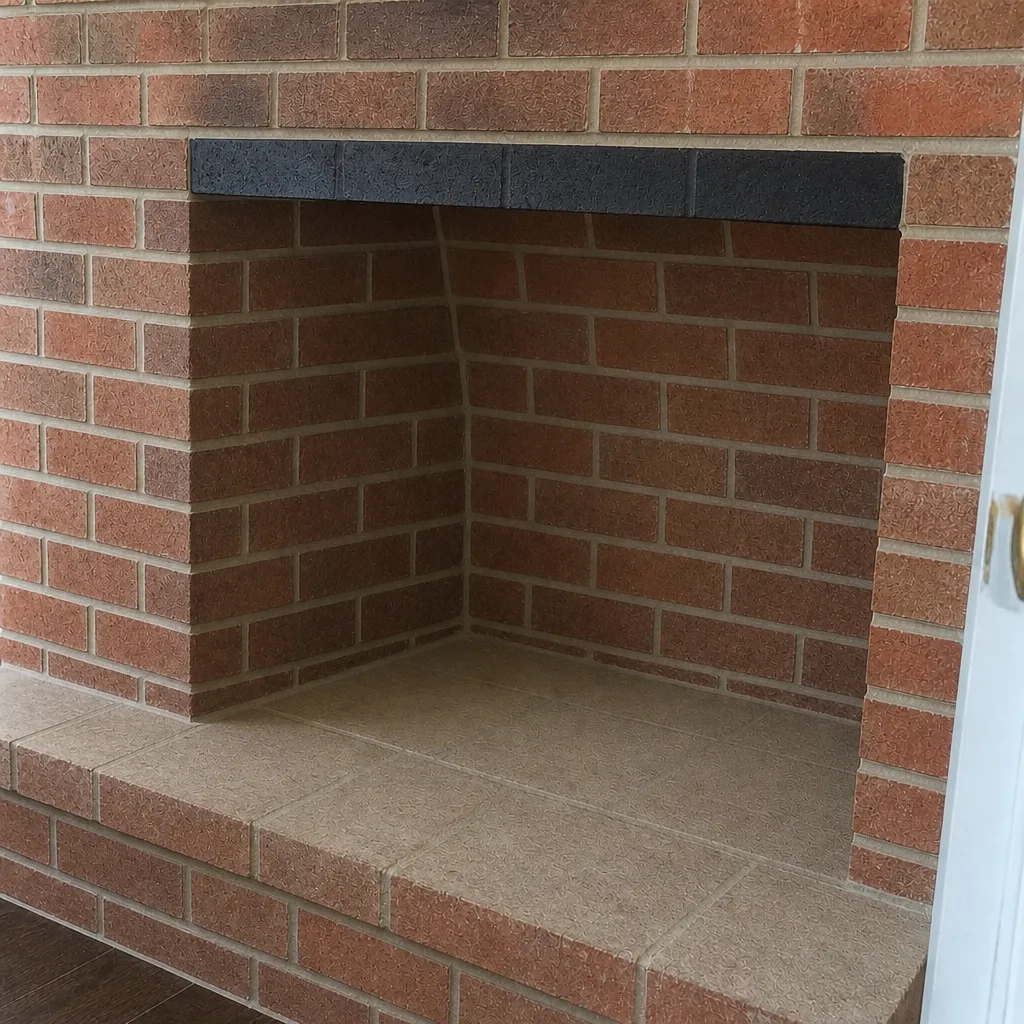
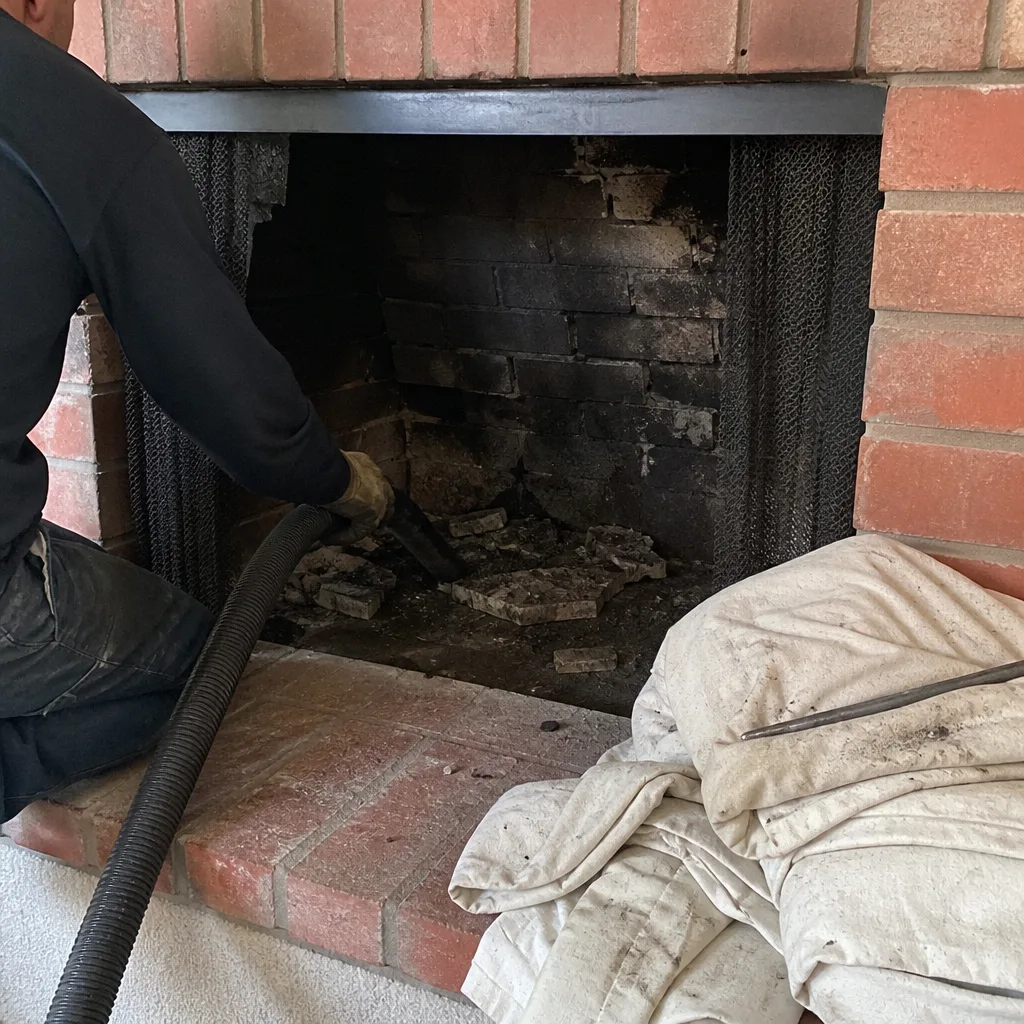
See the difference
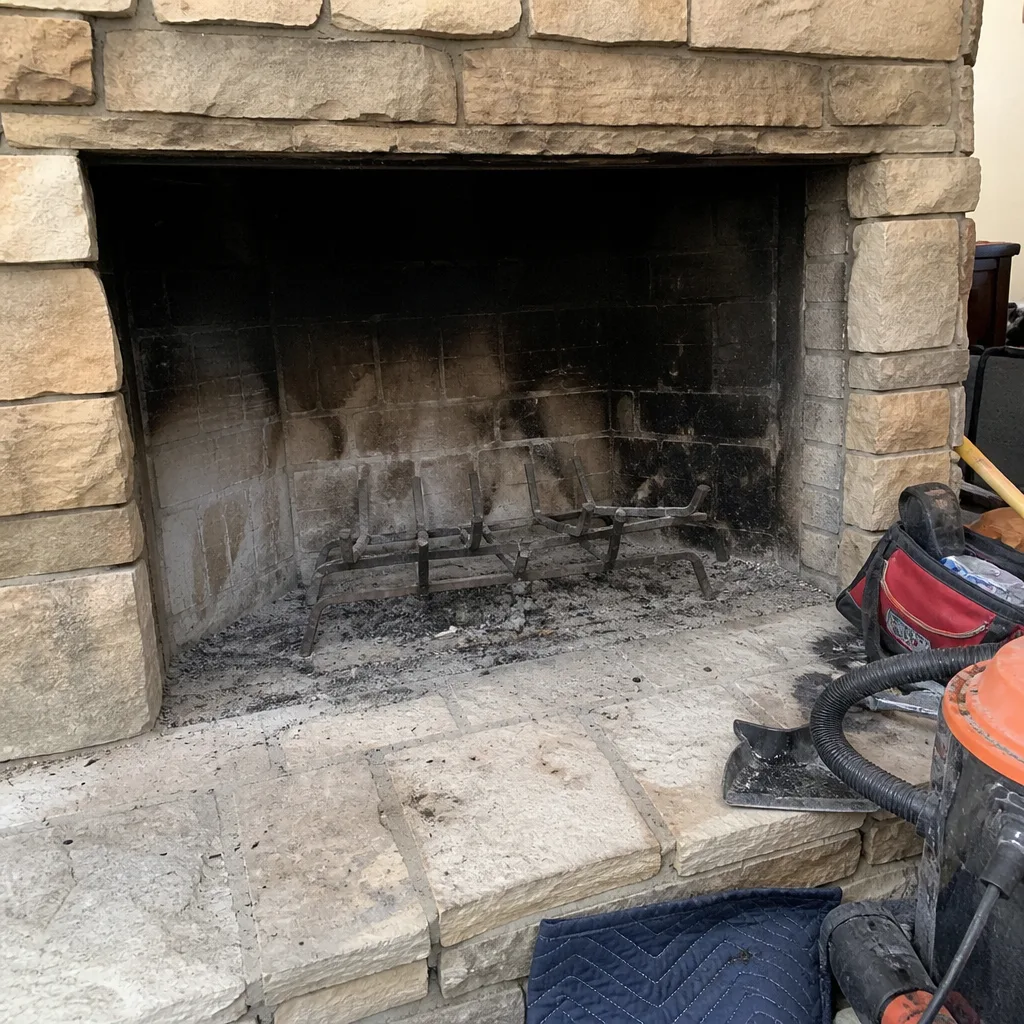 Before
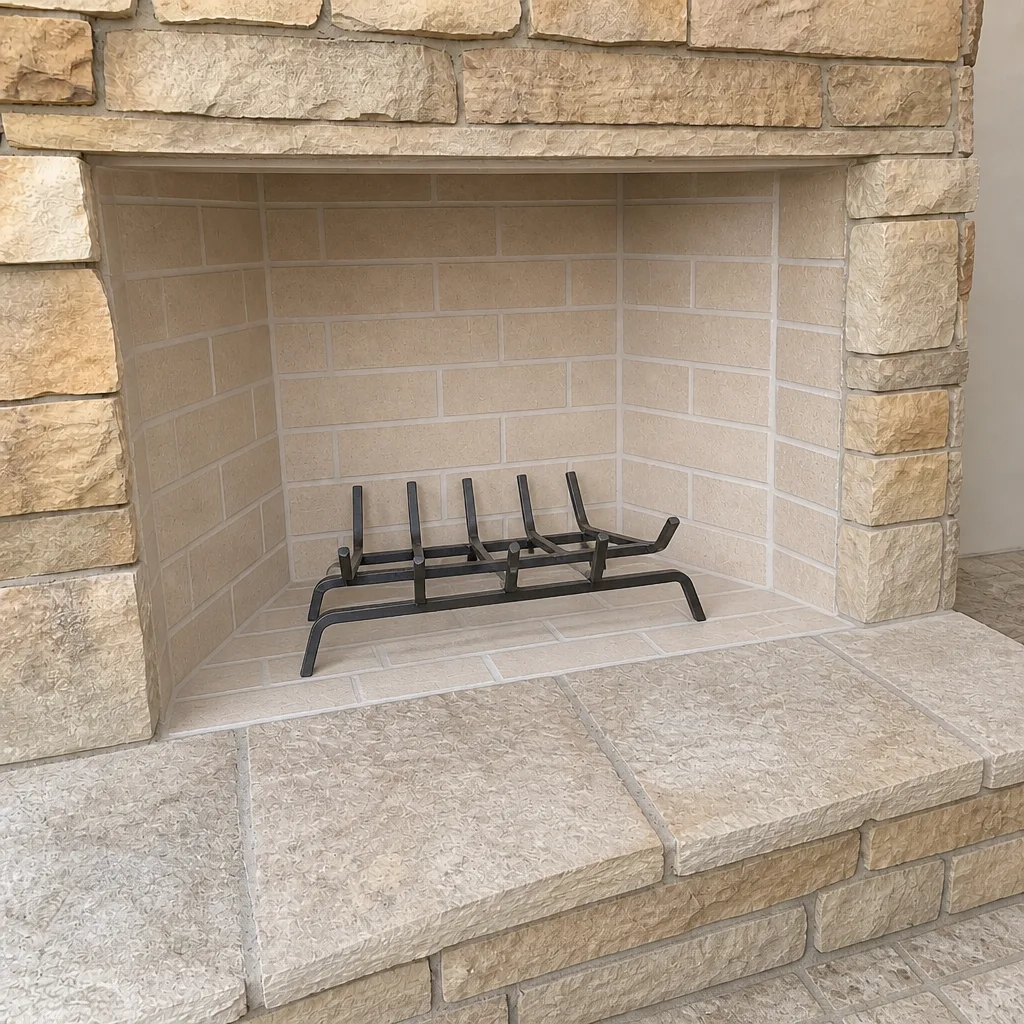 After
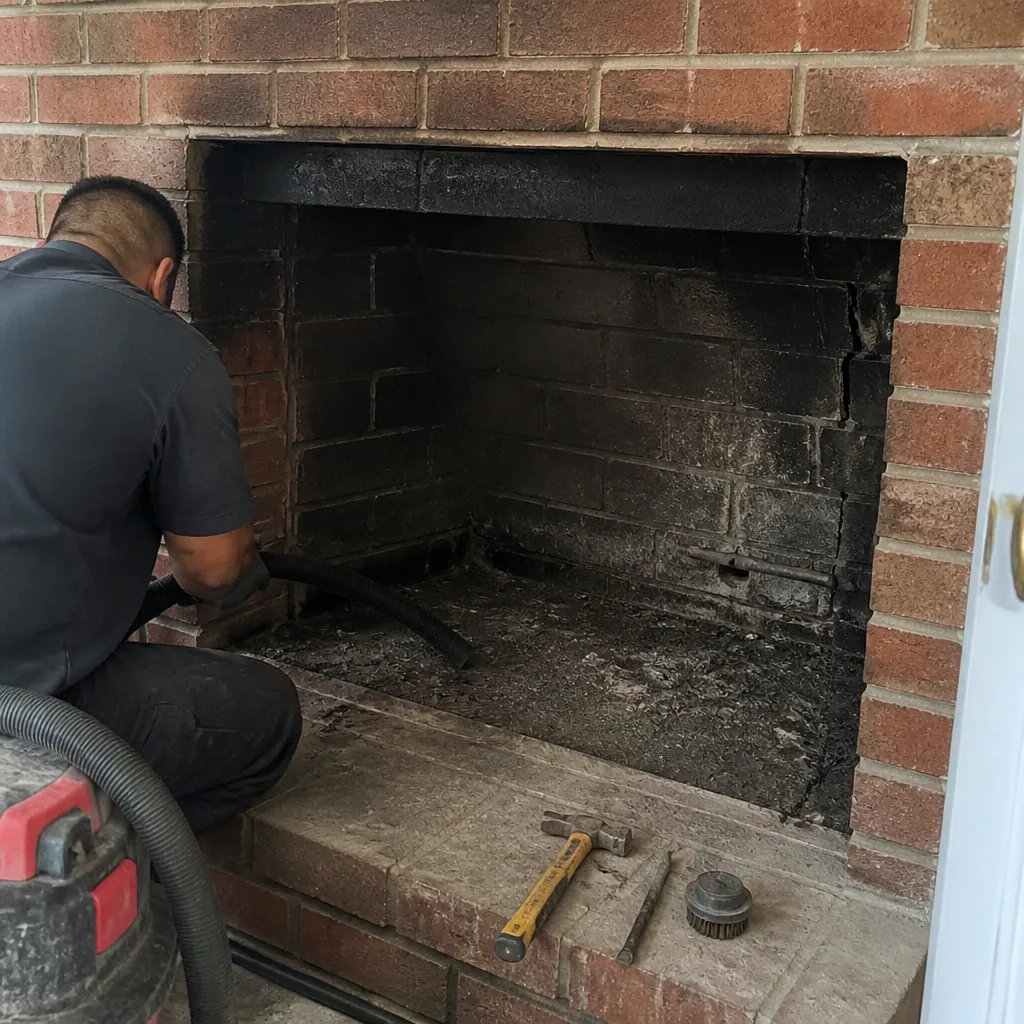 Before
 After
 Before
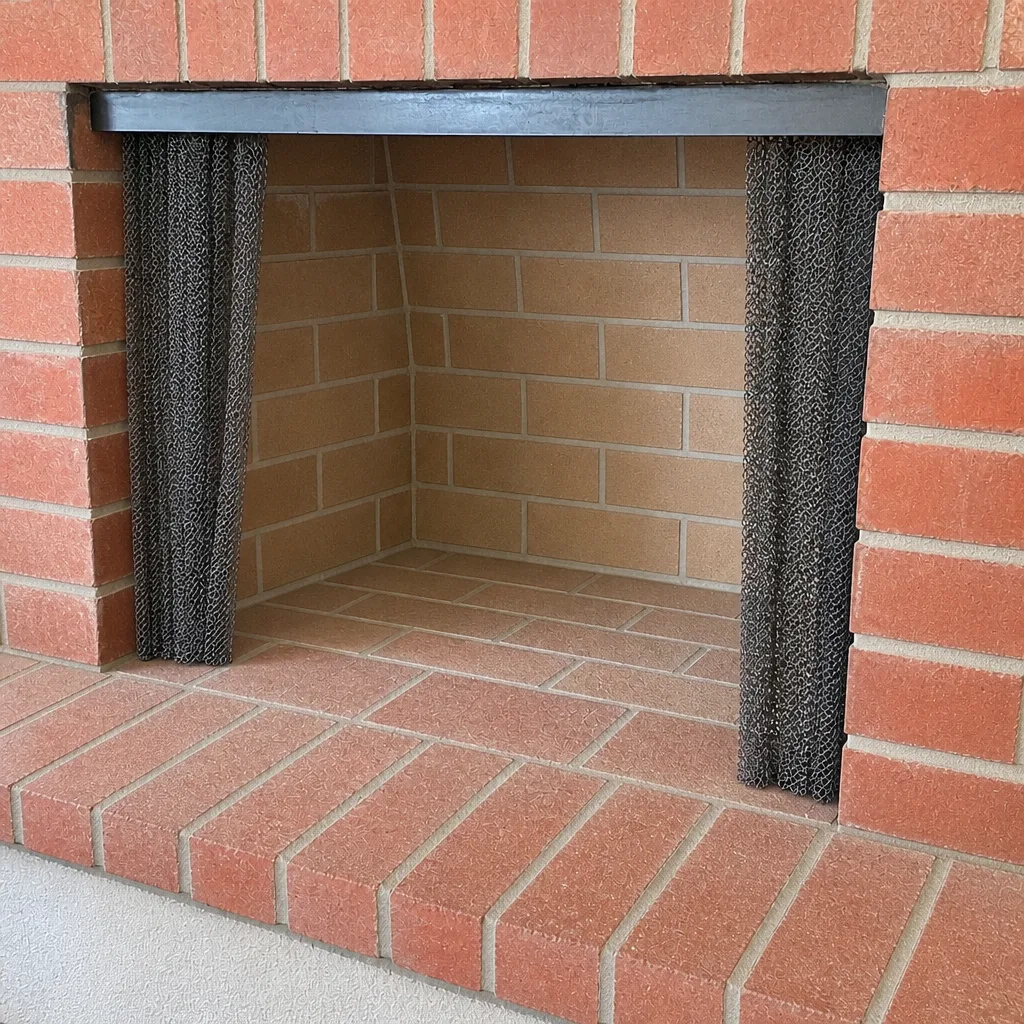 After
When to Call a Professional
Some chimney work belongs to you, and some absolutely does not. Anything above the firebox needs a trained eye and the right equipment. Call a professional when you see a cracked or spalling flue tile, a crown that’s cracked or holding water, a cap that’s missing or loose, or a damper that’s stuck or won’t seal. Call when you smell smoke in the room, when a fire backs up, when you’ve had an animal in the flue, or when you’re preparing to sell and need documentation. A flue interior that shows any structural damage is hands-off for a homeowner: high heat and combustion gases are a safety system, and the repair needs a trained professional, not a DIY attempt. La Habra Chimney Sweep Pros offers free estimates in La Habra. Call (855) 337-1997.
Frequently Asked Questions
Sweep annually if you burn wood regularly, or every two years if you light the fireplace only a handful of times a season. That cadence assumes dry, seasoned wood; if you burn green or soft wood, sweep annually regardless. The annual inspection matters more than the sweep itself, because it catches crown and flue problems before they cost real money. Call (855) 337-1997 for an exact quote and a written estimate before work begins.
The most expensive failure is silent: water working through a cracked mortar crown and soaking the masonry until brick spalls and the flue liner deteriorates. That process can run for multiple heating seasons with nothing visible inside the firebox. The second risk is creosote buildup, which is a real chimney fire hazard, but it’s the one most homeowners already know about. The crown and flue tile damage is the one that catches people off guard. Call (855) 337-1997 to schedule an inspection and get the real condition of your chimney in writing.
A thorough inspection in La Habra should include a camera or mirror view of the full flue, a check of the firebox and smoke chamber, a damper function test, and a roof-level look at the crown and cap. If an inspection is just a sweep who shines a light into the firebox and says “looks good,” it’s not covering the parts that fail silently. Ask specifically whether the flue will be inspected with a camera. Call (855) 337-1997 to book an inspection with written documentation.
Sometimes a damaged liner can be resurfaced rather than fully replaced. The HeatShield system restores a compromised flue by resurfacing it, and in the right conditions that saves homeowners significant cost compared to a full reline. The determining factor is the condition of the flue tiles and whether the damage is structural or surface-level. That decision requires a camera inspection, not a guess. Call (855) 337-1997 for an exact quote after an inspection; nothing is recommended without camera evidence you can see for yourself.
Yes. Flexible liner systems like DuraFlex are designed for flues with bends and offsets, which rigid liner products can’t handle. If a chimney was originally built with an offset, or has a changed geometry from a previous repair, the right flexible liner is the only way to fully reline it. This comes up more in older La Habra homes than people expect. Call (855) 337-1997 and we can walk through the options from a camera inspection.
Keep the written inspection report, before-and-after photos or video of the flue, the specific brand and material used in any repair, the dates and scope of work, and any warranty documentation. That folder is what a buyer’s inspector asks for at a resale, and it’s what an insurance adjuster looks at if a problem arises. A professional provides these without being asked. Call (855) 337-1997 for a service visit that leaves you with documentation you can keep.
The Bottom Line
A chimney maintenance checklist in La Habra works best when it separates what you can verify from what needs a professional, and when it’s sequenced by what fails silently rather than what shows up on the hearth. Sweep annually or biennially depending on real usage, inspect every year, keep the crown and cap in front of you, and document everything. Those four habits prevent the expensive, silent failures that fuel an La Habra chimney sweep issue most homeowners never see coming. Our technicians have up to 14 years of experience, and we handle sweeping, inspection, fireplace and chimney repair, and cap and crown work under one roof, using professional-grade products like HeatShield and DuraFlex. We identify it and fix it, and we hand you the records to prove it.
Call (855) 337-1997 for a free estimate. We answer 24/7. Fast dispatch from 7am to 7pm, Sunday through Friday.
Written by the team at La Habra Chimney Sweep Pros.