
Last updated November 25, 2026
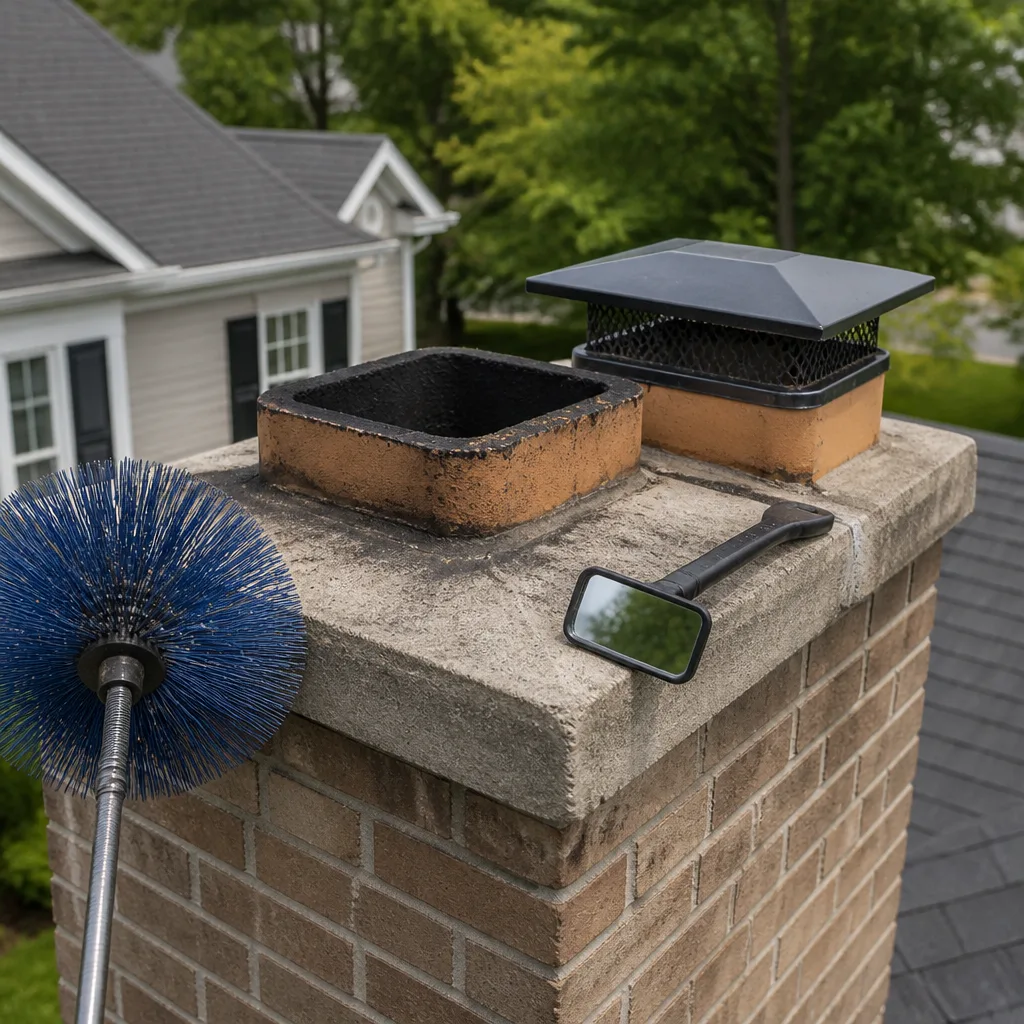 Sweep & inspection
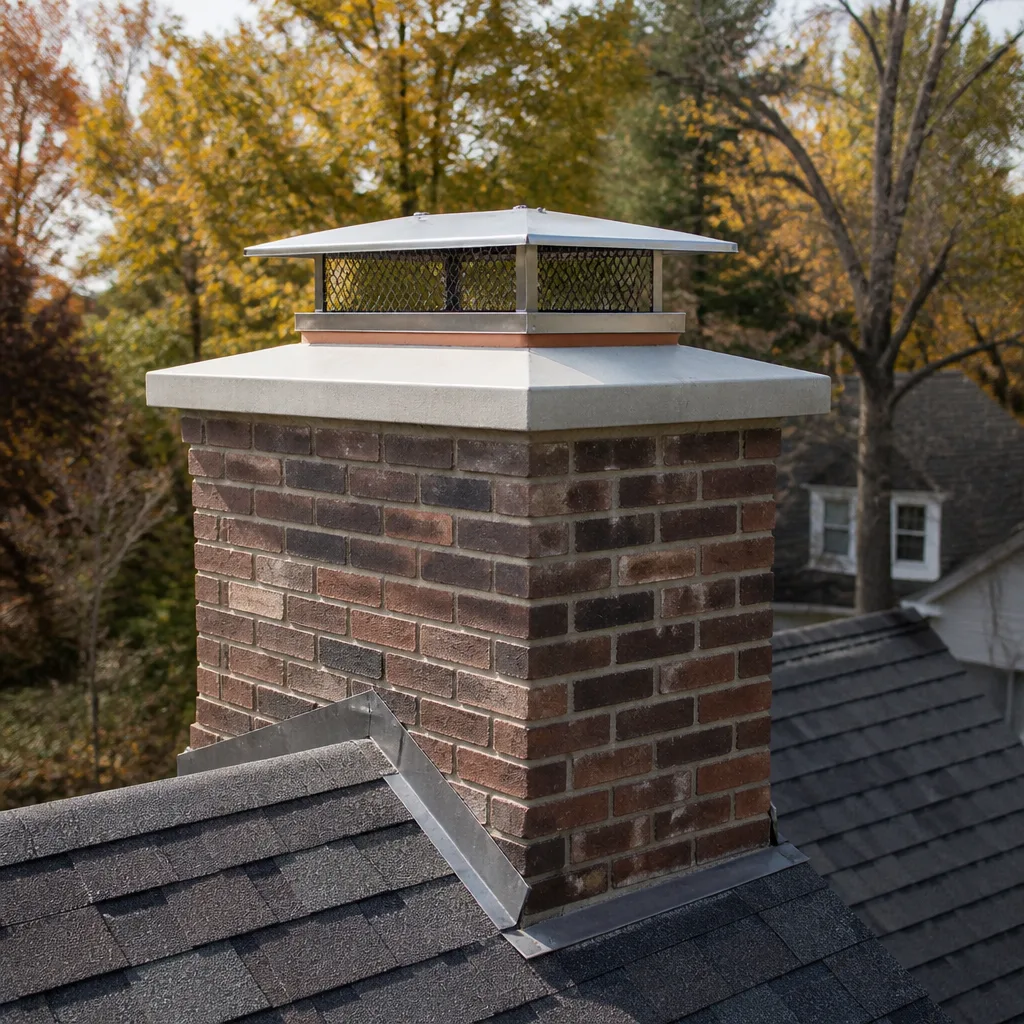 Caps & crowns
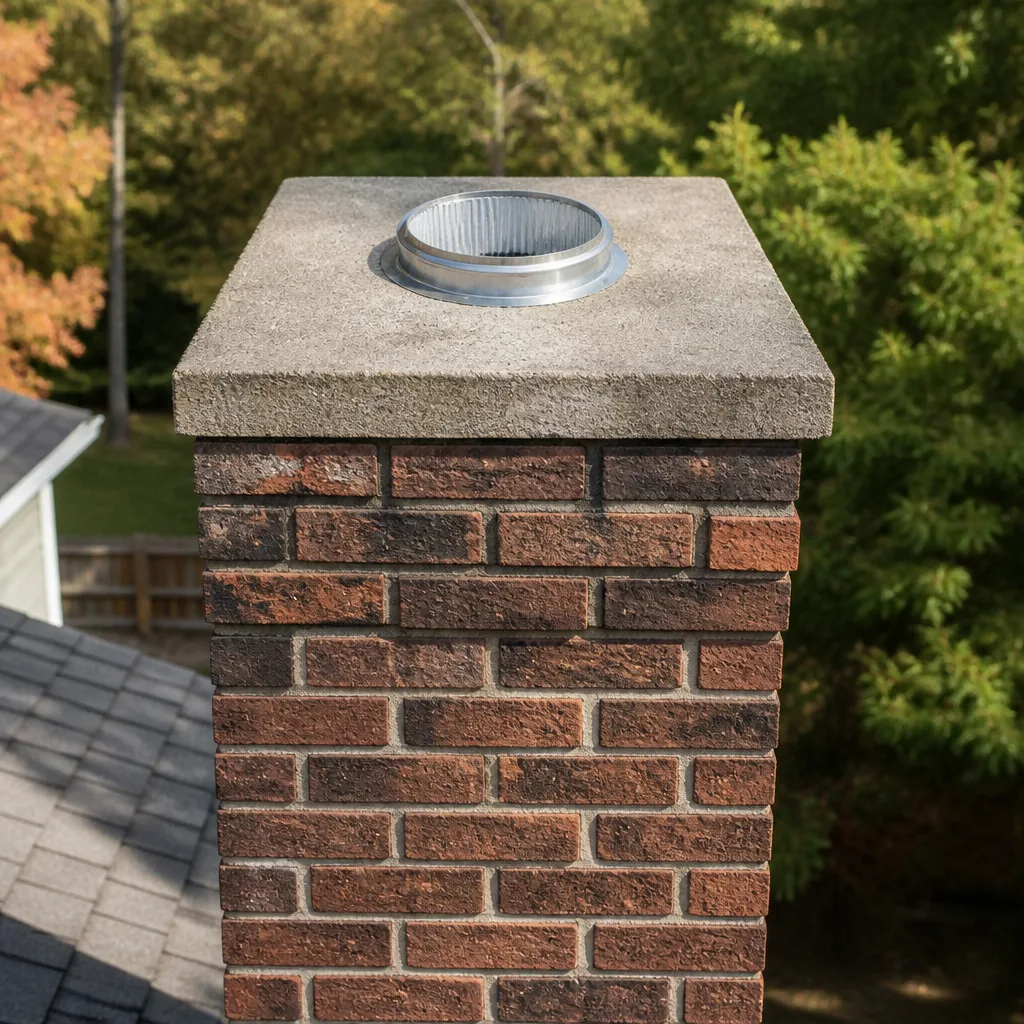 Flue relining
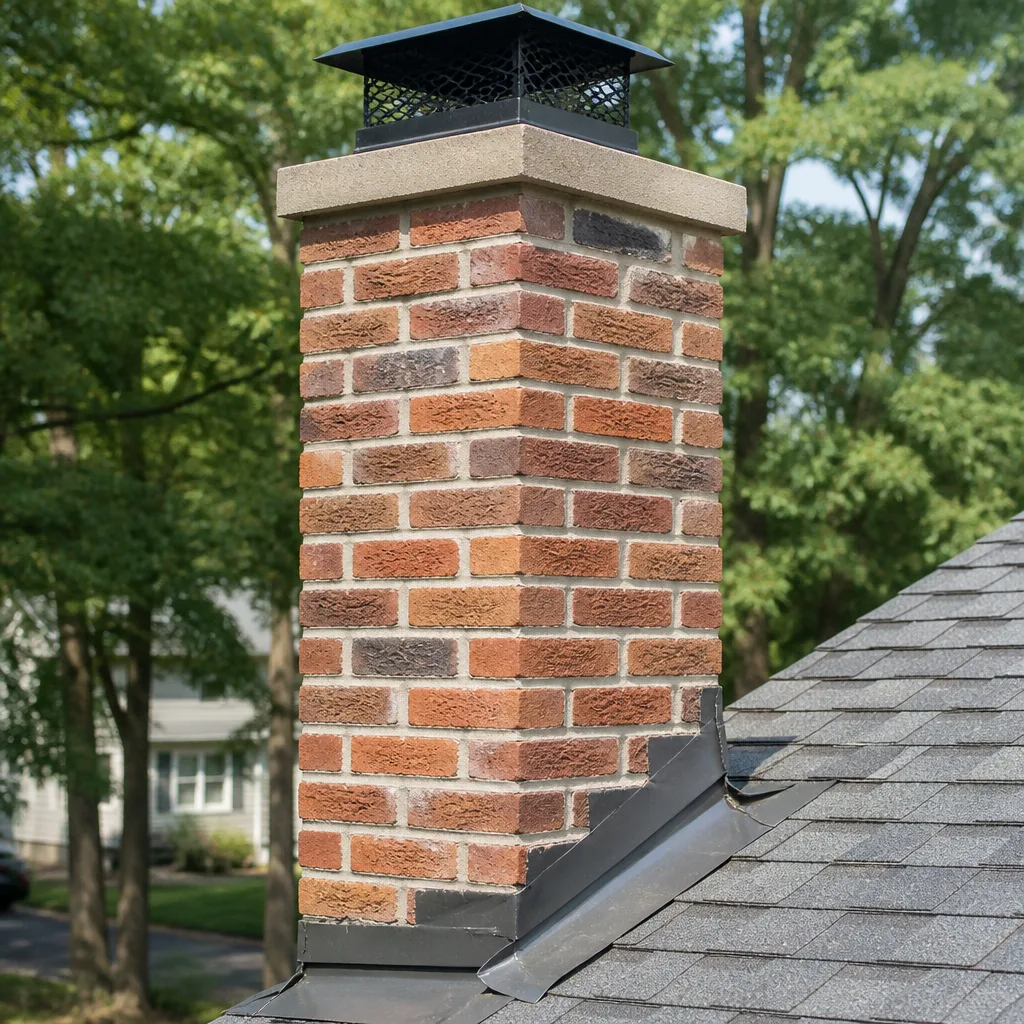 Masonry repair
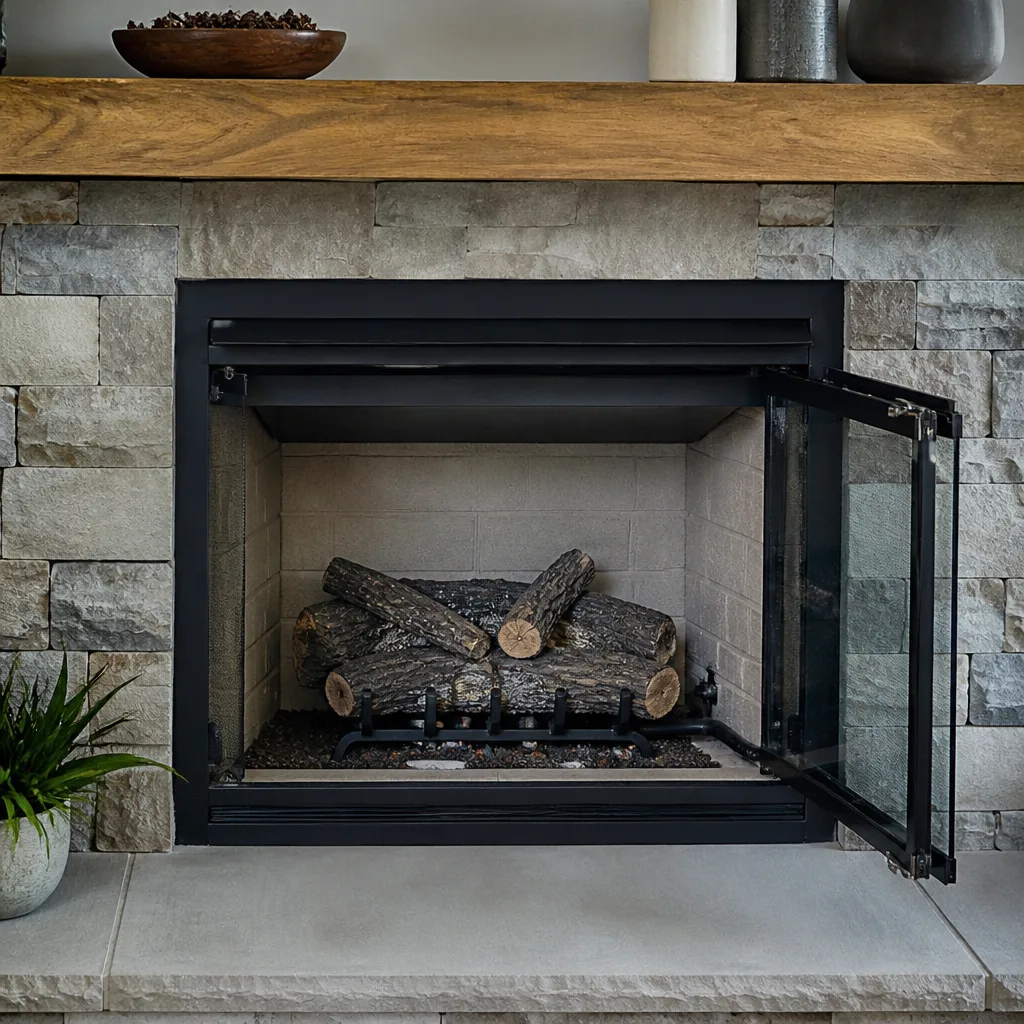 Gas fireplace service
Level 1 sweep and inspection to the NFPA 211 annual standard - flue, crown, cap, and flashing checked and photographed
Chimney sweep logs do not sweep chimneys. They loosen some creosote - which then falls where a brush and vacuum still have to collect it.
The Complete Guide to Chimney Cleaning in La Habra
Most La Habra homeowners use their fireplace fewer than 15 nights a year. That sounds like good news for the chimney. It isn’t. The fireplace that sits idle for months and then gets a fire on a cool evening in December is exactly the one that builds the stickiest, hardest-to-remove creosote, because slow, cool, occasional fires don’t burn hot enough to combust what they leave behind. In cold-weather markets people burn constantly and the flue stays hot; here they burn a handful of times and the flue stays cool. This guide covers what that pattern means for your chimney, how cleaning actually works in La Habra’s climate, how inspections are supposed to be done, and how to tell a real cleaning from a cosmetic sweep.
Quick Answer
Chimney cleaning in La Habra means removing creosote, soot, and the specific debris this region produces (palm frond fragments, dry-season animal nesting, eucalyptus soot), then confirming the flue is sound with a camera inspection. A proper cleaning doesn’t just look clean when you shine a light up the flue; it meets the cleanliness standard set out in NFPA 211, which requires the flue to be free of combustible deposits. Cleaning without an inspection attached to it is an incomplete job.
Styles & brands we work with
- Sweep & inspection
- Caps & crowns
- Flue relining
- Masonry repair
- Gas fireplace service
Table of Contents
- Why La Habra’s Mild Climate Builds Creosote Differently
- The Debris Threats That Are Specific to La Habra
- What a Chimney Cleaning Actually Involves
- Level 1 vs. Level 2 Inspections: Which One Applies to Your Home
- How Often Should a La Habra Chimney Be Cleaned?
- How to Evaluate a Cleaning Quote
- Visual Clean vs. NFPA 211: Why the Difference Matters
- Caps and Crowns: The Moisture Work Most Sweeps Skip
Why La Habra’s Mild Climate Builds Creosote Differently
In Minneapolis or Buffalo, a chimney gets swept because the homeowner burns a cord of wood a winter and the flue fills up. In La Habra, the fire gets lit a dozen or so times between November and February, sometimes fewer. The chimney service pattern looks nothing alike, and the creosote chemistry doesn’t either.
Creosote forms when wood smoke cools and condenses on the flue walls before it can exit the top. Three stages exist. Stage 1 is light soot and flaky ash that brushes off easily. Stage 2 is a denser, sticky deposit that clings to the liner and requires mechanical scraping or a rotary tool. Stage 3 is glazed, hardened, tarlike creosote that looks almost like black glass and often needs chemical treatment before it can be removed at all.
The counterintuitive part is this: low-frequency burning pushes a chimney toward stage 2 faster than heavy burning, because a fire that hasn’t warmed the whole flue mass delivers smoke into cool surfaces. Every fire in an under-used La Habra fireplace deposits more per hour of burn than a fire in a chimney that runs daily. If you burn a handful of evenings a month and never call for a chimney sweep, you can accumulate a meaningful layer of sticky stage 2 creosote in a season or two without ever suspecting it.
There’s a second local factor. Unburned wood smoke also carries moisture, and when the fireplace cools down after a fire, that moisture settles on the same flue walls. In a mild climate the chimney goes through small wet-and-dry cycles between fires, which doesn’t do anything good to the liner or the masonry crown at the top.
What this means for your cleaning schedule
You can’t judge the need for cleaning by counting fires. The only reliable measure is what a sweep finds on the flue wall. Our technicians have up to 14 years of experience, and experience here consistently shows that light-use La Habra households can reach the cleaning threshold faster than heavy-use households in colder markets expect.
The Debris Threats That Are Specific to La Habra
Creosote is only half the story in this part of Southern California. Three debris sources come up over and over in La Habra homes, and none of them show up in a generic chimney-cleaning writeup built for snow country.
Palm frond infiltration
Palm debris is light, fibrous, and gets airborne easily. It lodges on top of chimney caps, in the spark arrestor mesh, and into the gap between cap and flue tile. Once inside, it doesn’t burn cleanly, it smolders. A chimney with a mat of palm fiber sitting above the flue tile is a chimney that can’t draft properly and can send smoke back into the house on the first fire of the season.
Eucalyptus soot residue
Eucalyptus is common in La Habra yards and green waste streams. If eucalyptus wood goes in the fireplace, it leaves a fine, oily soot that behaves differently from oak or almond soot: it coats more uniformly and can carry a resinous residue that has to be wiped or scraped out, not just brushed. If you’ve been burning eucalyptus, say so when you book the cleaning so the right tools come out.
Dry-season animal nesting
In a firebox that goes unused for nine or ten months, a chimney flue is a dry, protected, elevated cavity. Birds, squirrels, and occasionally roof rats use it. Nesting material (twigs, leaves, insulation fibers, palm fluff) blocks draft and creates a fire load directly against the liner. The giveaway is often a scrape or flutter sound in the flue during spring and early summer, or debris on the firebox floor. A cap prevents this; a chimney repair visit after a nest is removed addresses damage the animal caused.
What a Chimney Cleaning Actually Involves
Chimney cleaning is a defined process, not a generic flue brushing. Here’s the sequence a proper cleaning should follow, and what to expect at each stage.
- Firebox protection and setup. Drop cloths and a sealed vacuum cover the firebox opening so no soot enters the room. The best systems use a high-efficiency vacuum with HEPA filtration.
- Pre-cleaning inspection (visual). A quick look up the flue with a flashlight and mirror to identify blockages, nests, or heavy glazing before any mechanical tools go in.
- Flue sweeping. A rotary brush or whip sized to the flue shape is worked from the top or the bottom, depending on the configuration. Bends and offsets in a flue (common in older La Habra homes with a mid-century roof pitch change) need a flexible tool that adapts to the angle.
- Firebox, smoke chamber, and damper cleaning. The smoke chamber, the sloped transition between firebox and flue, is where creosote collects out of reach and where a lot of quick sweeps stop short.
- Debris removal. Everything that came off the flue walls is bagged and removed from the property.
- Post-cleaning camera inspection. A camera run through the flue shows the liner, joints, and crown area in detail. This is the part most sweep-only services leave out.
- Photo report and findings. You should see the photos and understand exactly what was found before anything is recommended.
The difference between a cleaning that took 40 minutes and one that took two hours usually comes down to steps 4 through 7. We identify it and fix what we find in the same visit, which is why the fireplace repair portion of a job doesn’t get handed off to another contractor when the inspection turns up a cracked damper or a damaged smoke shelf.
Level 1 vs. Level 2 Inspections: Which One Applies to Your Home
Chimney inspections are graded by scope, and knowing the difference makes it easy to see what a quote is actually offering. The two levels you’ll encounter most often on a typical La Habra home are Level 1 and Level 2.
- Level 1 inspection covers readily accessible portions of the chimney, firebox, and flue. It’s a visual check done with a flashlight and mirror or a basic camera. Level 1 is appropriate when the chimney has a known, unchanged history: routine annual cleaning, no change in use, no known damage.
- Level 2 inspection is more thorough and includes video camera inspection of the entire flue length, plus accessible parts of the attic, crawl space, and chimney exterior where the structure passes through them. Level 2 is the standard when you’ve made a change: new appliance, new fuel source, a fireplace that was dormant for years, after a chimney fire, after an event like a nest intrusion or a lightning storm, or as part of a home sale.
For most La Habra homeowners who haven’t had a camera inspection in several years, or who just bought the house, a Level 2 is the right starting point. After that, Level 1 on a regular basis may be enough, provided nothing changes. The point isn’t to upsell the bigger inspection; it’s that a camera can see things a flashlight cannot, particularly the flue joints and the internal face of the liner where early damage appears.
Why the camera matters
Clay tile liners crack. Stainless liners develop pinholes at joints. Metal appliance flues can separate at a coupler. None of this shows up on a visual sweep, and all of it changes what the chimney can safely vent. When we run a camera, we put the images in front of you; that’s the standard we hold ourselves to, and it should be the standard for any inspection you pay for.
How Often Should a La Habra Chimney Be Cleaned?
The professional standard is once a year for a wood-burning appliance that gets regular use, and once a year even for light use if the fireplace is used at all. For La Habra homes burning fewer than 15 nights a season, an annual cleaning and inspection is still the right baseline, for two reasons. First, low-use burning builds sticky creosote per hour of burn faster than frequent burning, as covered above. Second, the annual visit is where the debris, liner condition, and cap status all get checked, and those things don’t care how many fires you’ve had.
If you’ve had a chimney fire (or suspect one from a roaring, popping sound and heavy smell during a fire), plan a Level 2 inspection before the next burn. If the house has a gas appliance sharing the chimney, that’s a different schedule and deserves its own look. And if a nest, palm frond, or animal intrusion is found, clear it before the season starts rather than waiting for the next annual visit.
For the sweep itself, the annual interval works. For the inspection, the interval can be longer if nothing changes. For the cap and the crown at the top, we recommend a visual check every year and repair as soon as a crack or loose cap appears.
How to Evaluate a Cleaning Quote
The simple test: does the quote include camera inspection and a photo report, or is it a visual sweep only? That single question separates most quotes from each other.
- Ask what inspection level is included. A cleaning quote that doesn’t name a level is usually a Level 1 (visual). That’s fine for a routine annual job; it’s not enough for a first-time customer or a home sale.
- Ask whether a camera is used. A camera run during the cleaning is standard for us. If the answer is no, ask why not.
- Ask what’s covered at the top. Cleaning stops at the flue liner in many shops. Cap condition, crown cracks, and the flue tile at the top get skipped. Our cap and crown work exists because that’s where most chimney deterioration begins.
- Ask whether repairs found during the sweep are done in the same visit or referred out. A single company with five service categories (sweep, inspection, fireplace repair, chimney repair, cap and crown) can finish the job; a referral adds time and a handoff.
- Ask what happens if the flue turns out to have a damaged liner. A company that only cleans will tell you to call a reline specialist. We handle chimney repair and relining with professional-spec products; HeatShield restoration is a good example, because it can resurface a damaged liner without demolition when the liner is a candidate for it.
- Confirm the estimate is free and in writing. The written estimate sets the final price.
If you’re comparing services, our La Habra Chimney Sweep Pros page outlines the full scope of what we cover, so you can check a competing quote against it line by line.
Visual Clean vs. NFPA 211: Why the Difference Matters
A chimney that looks clean from the firebox is not necessarily clean by the standard. NFPA 211, the national standard for chimneys, fireplaces, vents, and solid-fuel appliances, defines a clean flue in terms of what’s actually on the walls, not what you can see with a flashlight from below.
The practical difference shows up in three places:
- Smoke chamber and shelf. Creosote glazes onto the angled surfaces above the damper. It’s visible only from the top or with a camera; a firebox-only sweep misses it entirely.
- Flue joints and offsets. Creosote runs down the inside of the flue and collects at every joint and offset. A brush that’s undersized for the flue clears the middle and leaves the edges.
- Liner surface condition. A flue that has a thin, even film of soot can pass a visual check and still be below the standard if there’s a heavy deposit anywhere in the run. The right measure is the whole flue to the top, verified by camera.
In our experience, the clearest sign that a cleaning meets the standard is the photo report. If a company can’t show you photos of what was removed from the flue, you’re being asked to trust the appearance of a firebox that doesn’t reflect the actual condition of the chimney.
Caps and Crowns: The Moisture Work Most Sweeps Skip
Every chimney has two openings at the top: the flue outlet and the crown, the concrete or masonry cap that sits on the chimney top and sheds water away from the structure. Water is the leading cause of long-term chimney deterioration, and both of those openings are where water gets in. A sweep-only service typically ignores the top entirely. Cap and crown work is where the long-term value is.
A chimney cap is a fitted cover with a mesh screen over the flue. It keeps out rain, birds, squirrels, palm debris, and sparks. It also lets smoke out. A missing or broken cap is the entry point for most of the animal intrusions and one of the reasons a flue fills up with palm debris between cleanings.
The crown is the masonry top itself. Hairline cracks in the crown let water soak into the chimney mass, which shows up later as spalled brick, efflorescence on the chimney face inside the attic, and a rusted damper. A crown in poor condition should be rebuilt (or capped with a proper crown product) before the next rainy season. This is where we see the most preventable damage in La Habra, and it’s the part of the chimney that most annual cleanings never look at.
Materials that hold up
We work with professional-spec product lines rather than generic hardware-store substitutes. DuraFlex flexible liner systems let us reline a chimney with bends or offsets where rigid liner can’t be fitted. HeatShield restores a damaged flue liner in place when the liner qualifies. Famco and Copperfield cap and crown components are the parts we use on top, because the top of the chimney is the part of the structure that takes the most weather.
Common Mistakes to Avoid
- Judging cleaning need by fire count. A La Habra fireplace used 10 nights a year can build more damaging creosote than one used every weekend. Book by the calendar, not by the lighter block in the log pile.
- Accepting a “cleaning” without a camera inspection. A visual sweep misses cracked tiles and separated liners. If the company doesn’t put a camera in the flue and show you what it saw, you don’t actually know the condition of your chimney.
- Burning eucalyptus like it’s oak. Eucalyptus leaves a resinous soot that’s harder to remove. If you burn it, tell the sweep so the right tools and time are scheduled.
- Ignoring the cap. An uncapped flue is an open invitation to palm fiber, birds, and squirrels. A missing cap is one of the simplest problems to fix and the most expensive to ignore.
- Waiting until the first cold night of the year. In La Habra the first fire of the season is when problems show up; by then the schedule is full. Book the sweep before the smoke smell arrives.
- Handing off between contractors. If the sweep says “call a liner guy” and the liner guy says “call a mason,” you’re managing the repairs yourself. A single company with full scope saves time and keeps responsibility in one place.
- Treating gas fireplaces as no-maintenance. A gas appliance has its own venting and inspection needs. The glass and logs don’t tell you what’s happening in the flue; a camera does.
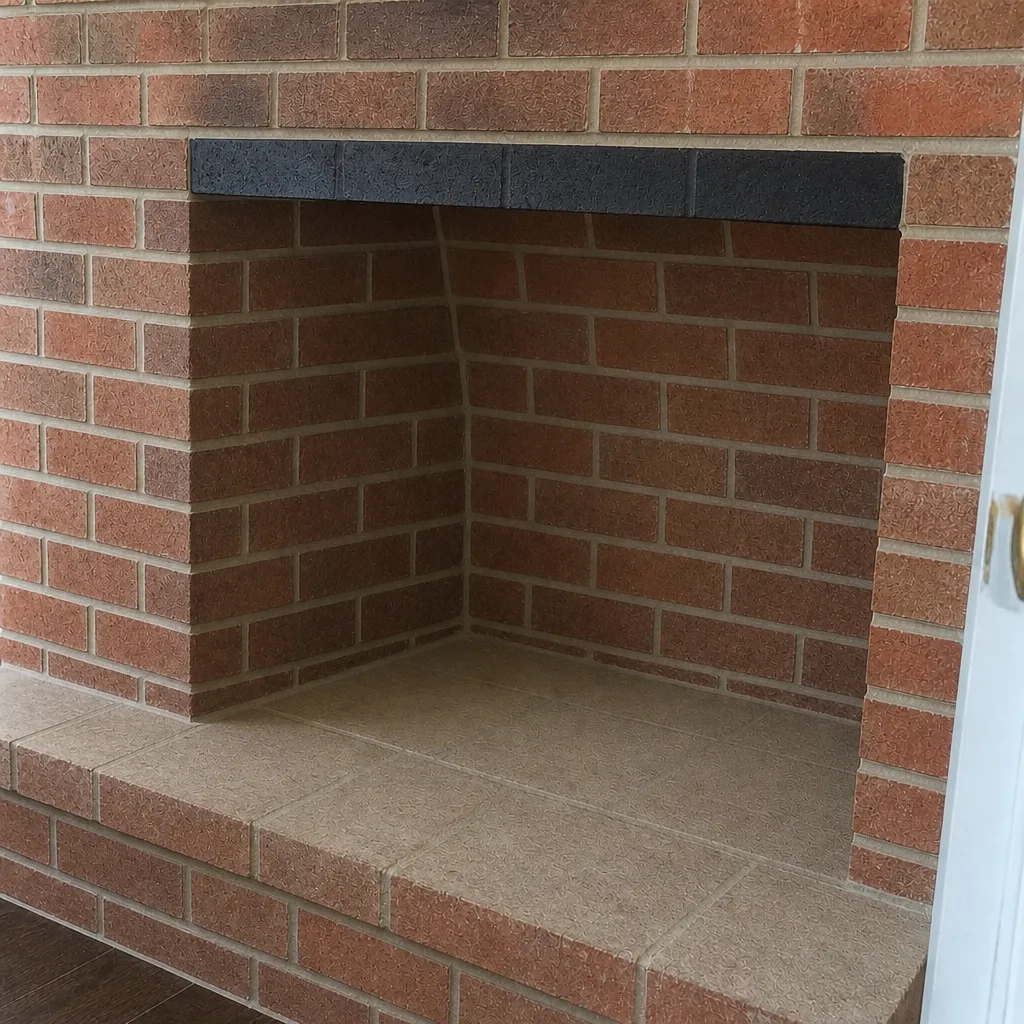
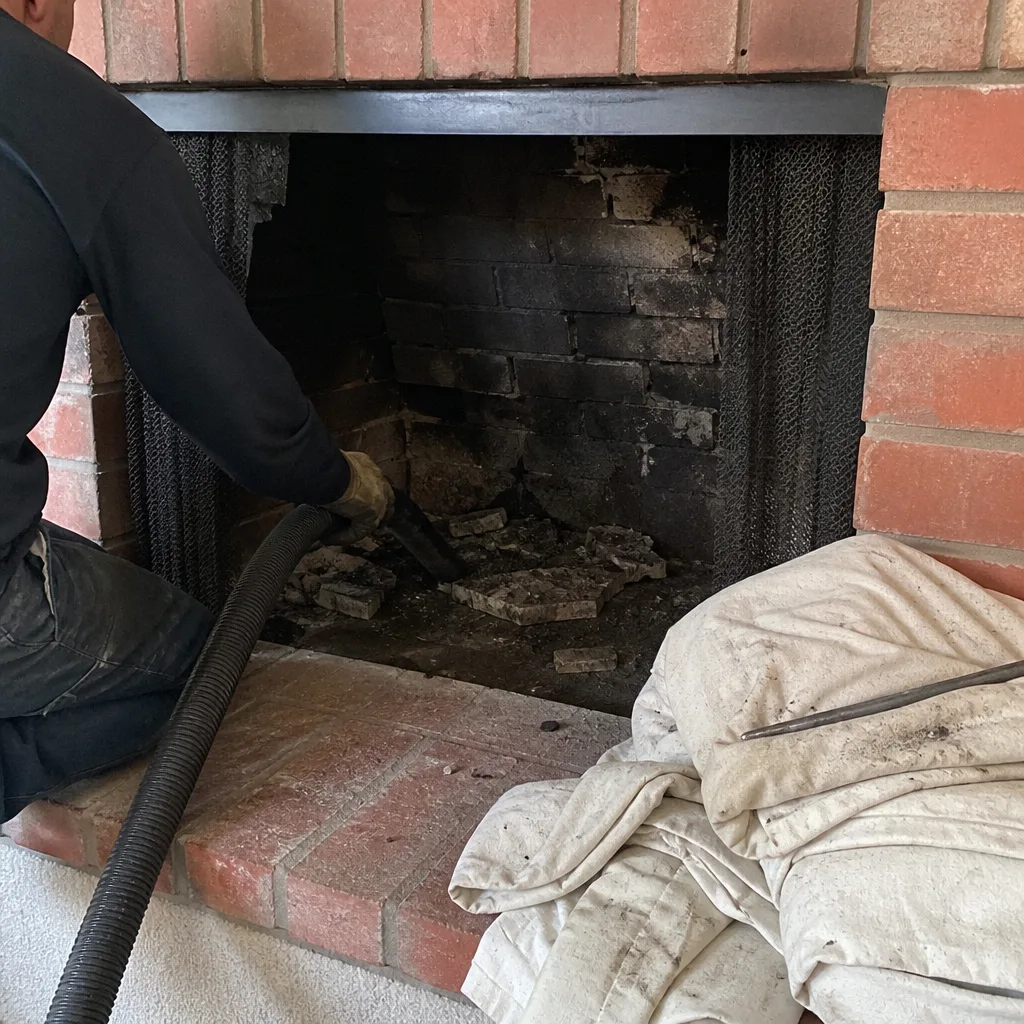
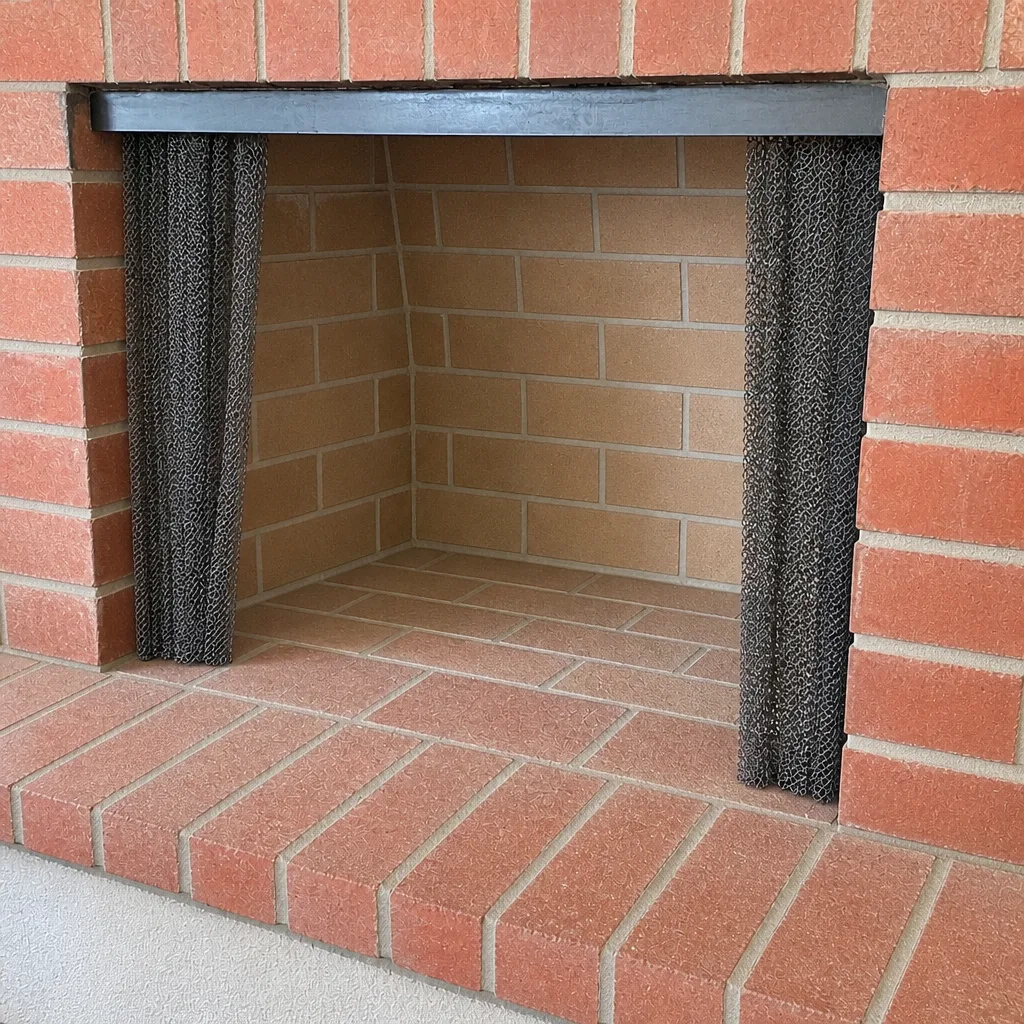
See the difference
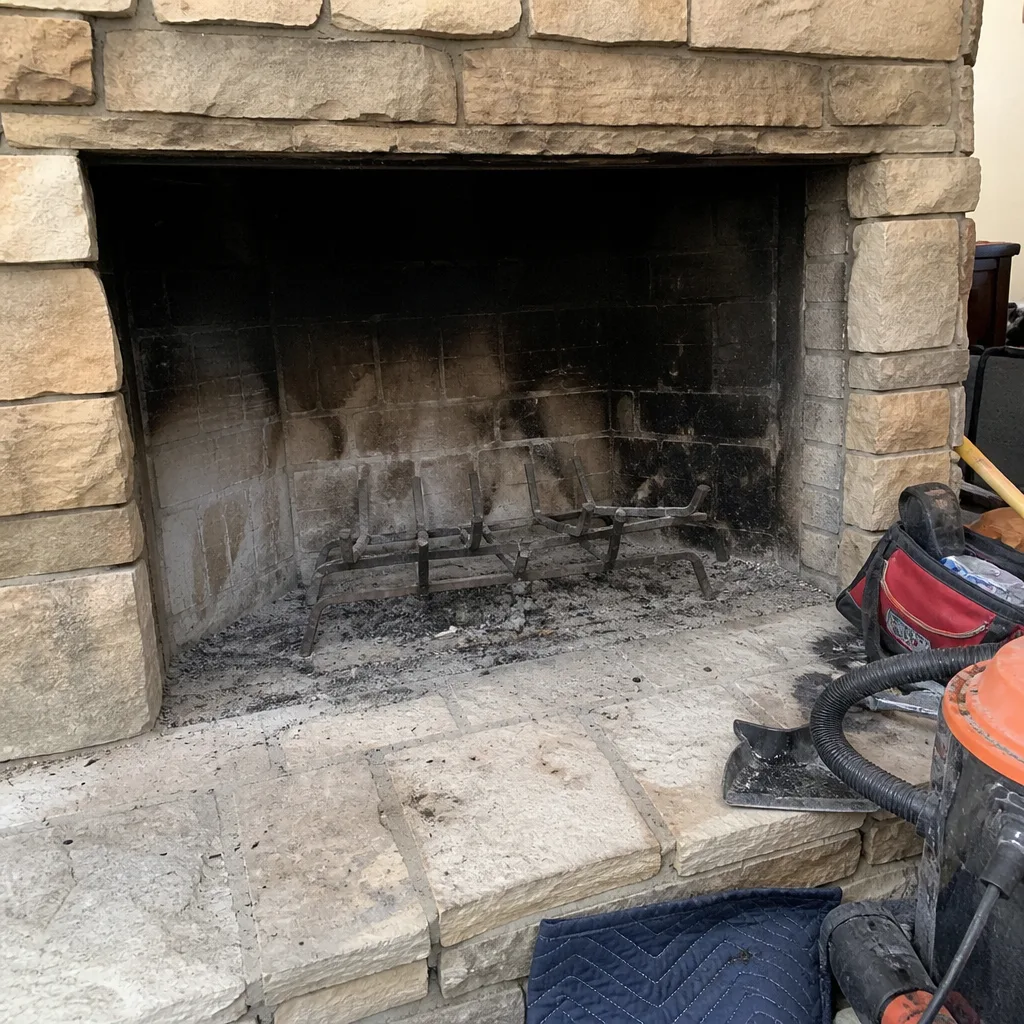 Before
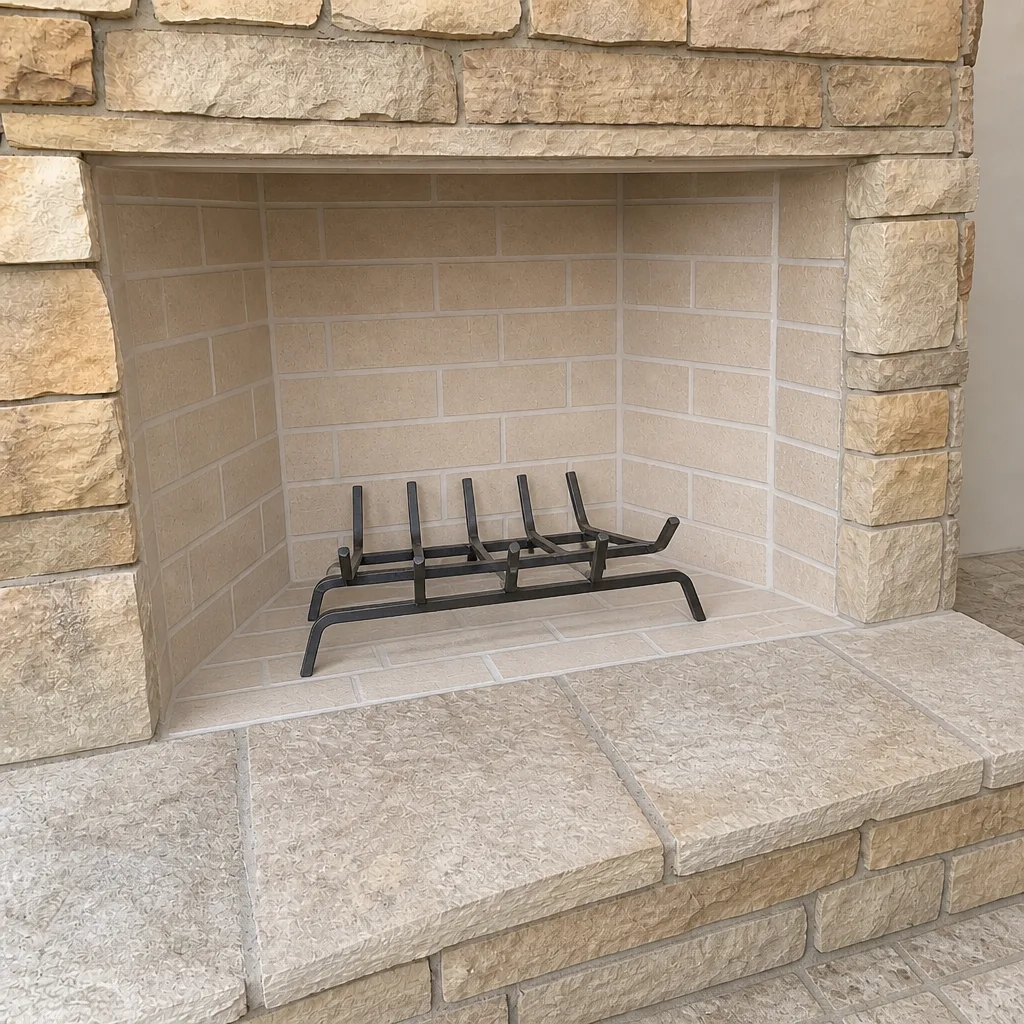 After
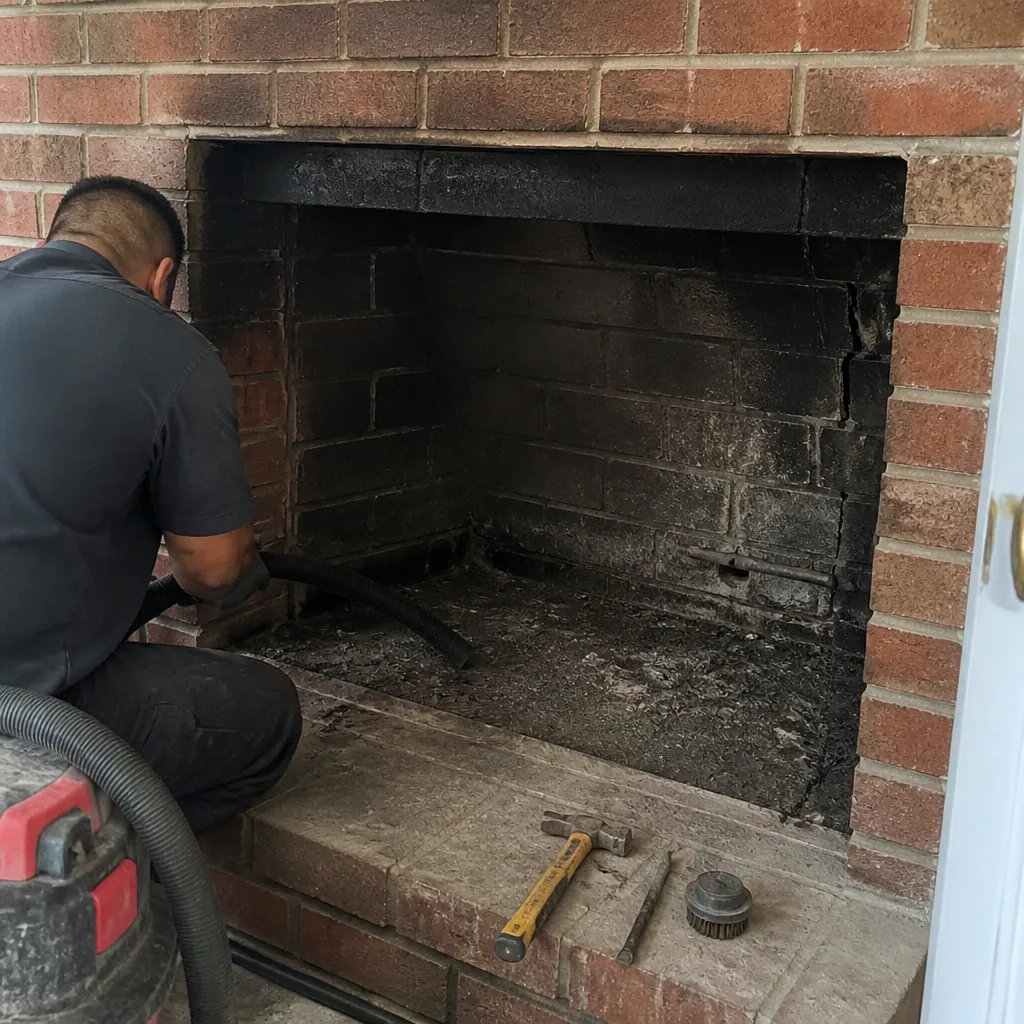 Before
 After
 Before
 After
When to Call a Professional
Call us if any of the following applies: you haven’t had the chimney inspected in more than a year; you smell smoke in the house when you use the fireplace; you hear scraping or fluttering in the flue; you see cracks in the chimney crown or loose masonry on the roof; you’ve had an animal intrusion; you’re selling a home and need documentation; or you’re buying a home and want a Level 2 inspection before closing. A trained professional should handle anything involving the flue liner, the crown, or the chimney interior. La Habra Chimney Sweep Pros offers free estimates in La Habra. Call (855) 337-1997. We answer 24/7. Fast dispatch from 7am to 7pm, Sunday through Friday.
Frequently Asked Questions
We can’t quote a range blind, because the price depends on the flue configuration, whether a camera inspection is included, and what the sweep finds. The written estimate we give you after looking at your chimney sets the final price, and the estimate is free. Call (855) 337-1997 for an exact quote.
Only if the camera shows the existing liner has a defect you can see. A cracked clay tile, a separated stainless joint, or a liner that’s failed at the flue collar all compromise what can safely pass through the chimney. If the liner is sound, we say so and no relining is needed. When it’s not sound, HeatShield restoration can sometimes resurface the liner in place and save the cost of demolition, but only when the liner qualifies. Nothing is recommended without camera evidence you can look at yourself.
Once a year for any wood-burning fireplace that gets used, and once a year even for a light-use La Habra fireplace. Low-frequency burning builds sticky creosote faster per hour of burn, and the annual visit is also where debris, cap condition, and liner condition get checked. Call (855) 337-1997 to book the sweep before burning season.
Creosote builds up on the flue walls. As the layer thickens, the chimney’s ability to draft drops and the fire risk rises. A capped or dirty flue also lets smoke back into the room on the first fire, and animal nests and palm debris can block the flue entirely. Chimney fires and carbon monoxide exposure are the serious outcomes. None of this is a scare tactic; it’s the reason the annual cleaning exists. Call (855) 337-1997 for a free estimate and a straight answer about your chimney.
A Level 1 is a visual inspection of the accessible parts of the chimney. A Level 2 includes video camera inspection of the entire flue, plus accessible attic and chimney-exterior areas. Most homeowners starting fresh with an unknown chimney, or preparing to sell, should get the Level 2. If you’ve had a chimney fire or animal intrusion, Level 2 is the right call regardless.
No. A proper cleaning seals the firebox opening and runs a vacuum with filtration from the start, and the soot and debris are bagged and removed. The cleaning should leave the room exactly as it was before the setup began, and the photo report tells you what was removed.
The Bottom Line
Chimney cleaning in La Habra isn’t a generic sweep, because the local burning pattern produces sticky creosote faster than most homeowners expect, and the local debris (palm fiber, eucalyptus soot, nesting animals) doesn’t show up in national advice. The safe approach is straightforward: an annual cleaning and inspection, a camera inspection that shows you the inside of your flue, a proper cap and a sound crown, and one company that can sweep, inspect, and repair without handing the job off. The written estimate sets the price, and the camera evidence sets the scope. If you’re ready to book, or you just want a straight answer about what your chimney needs, call La Habra Chimney Sweep Pros at (855) 337-1997 for a free estimate. We answer 24/7. Fast dispatch from 7am to 7pm, Sunday through Friday.
Written by the team at La Habra Chimney Sweep Pros.