
Last updated November 25, 2026
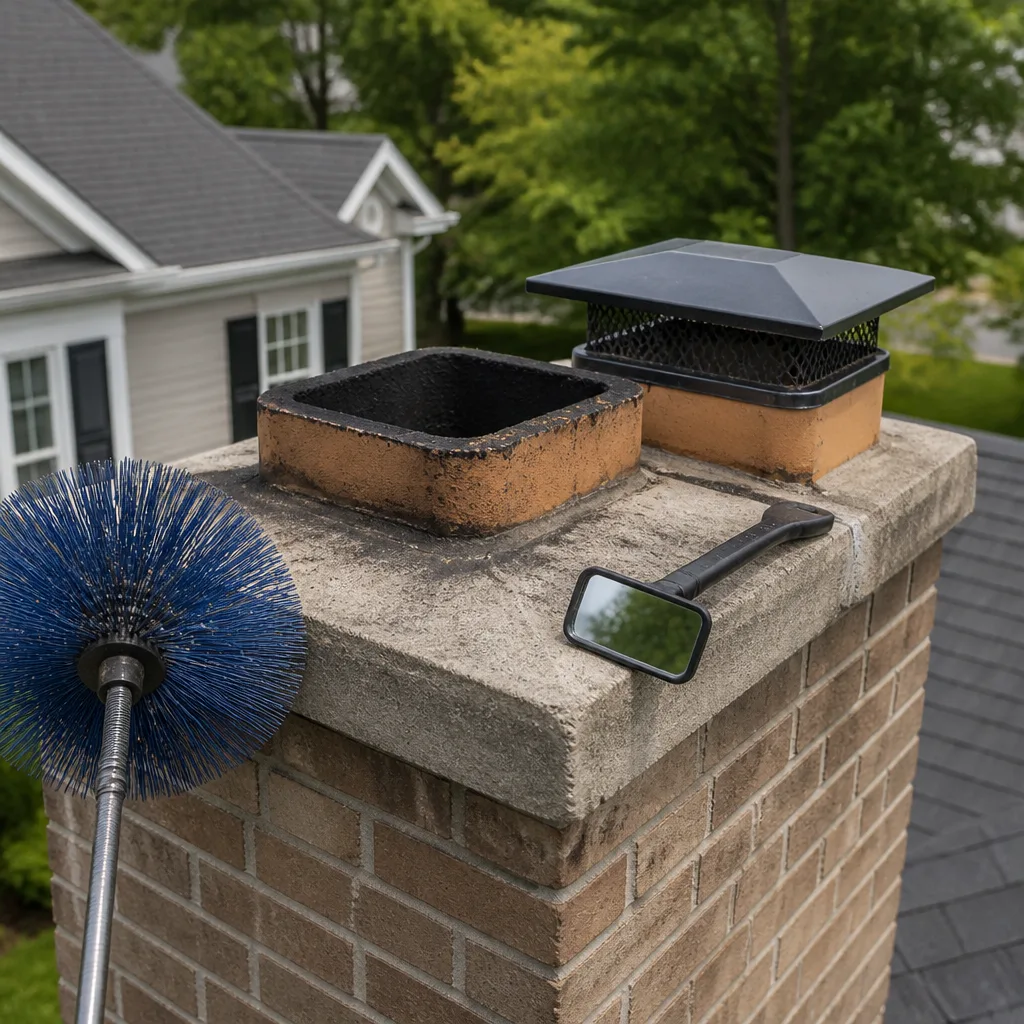 Sweep & inspection
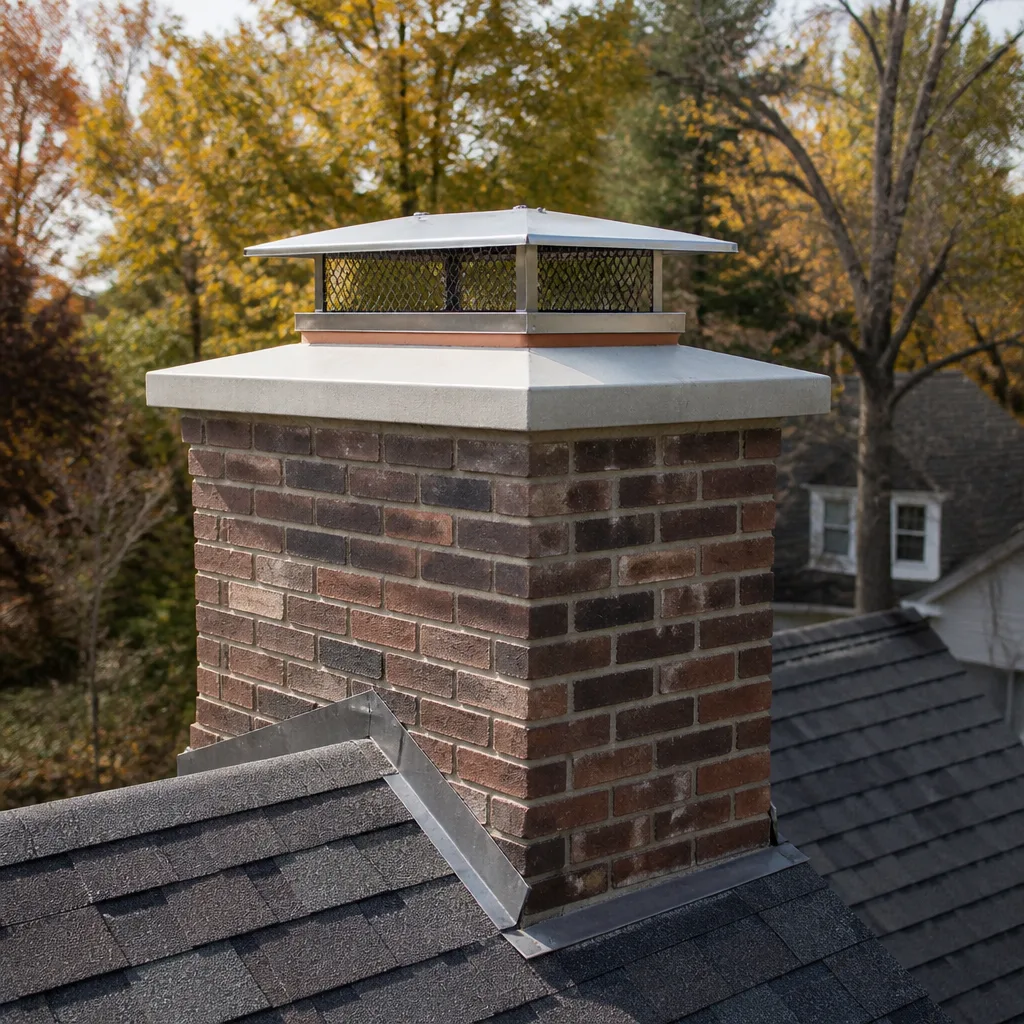 Caps & crowns
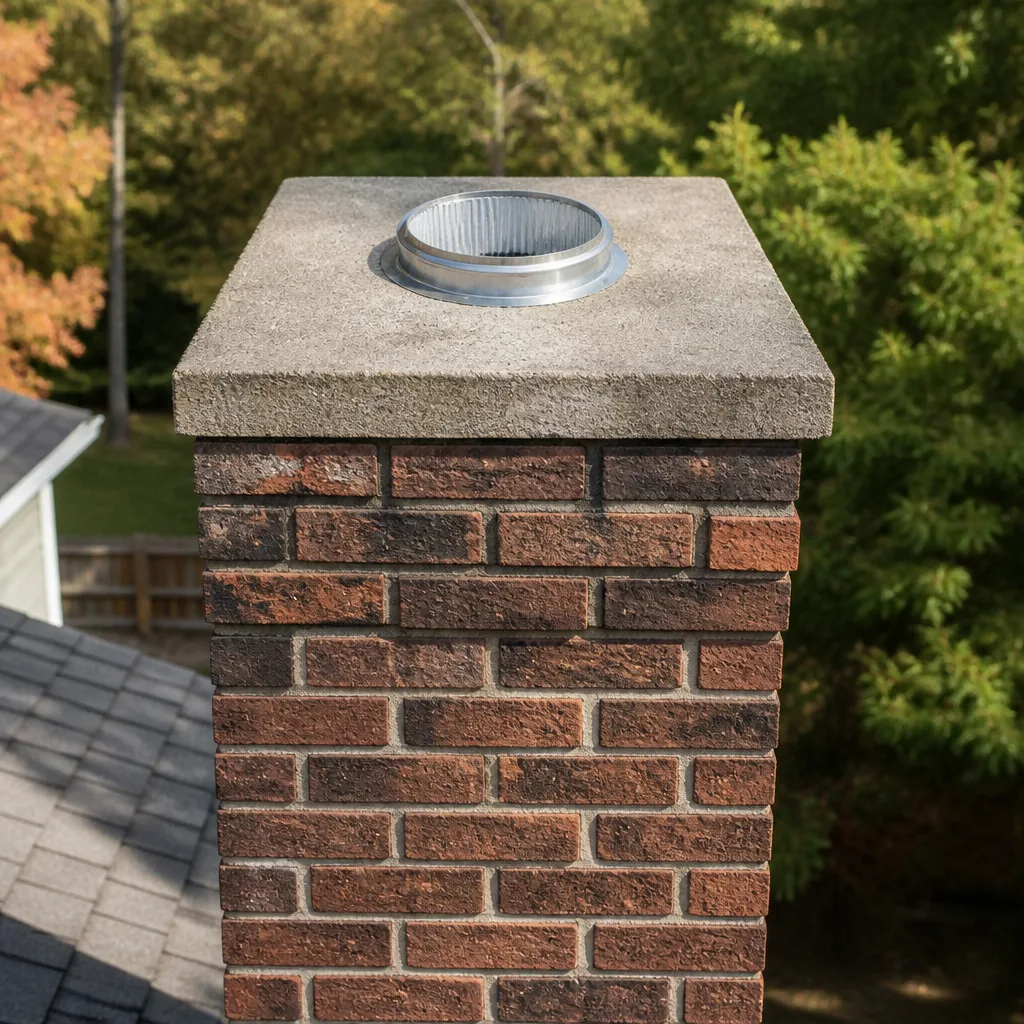 Flue relining
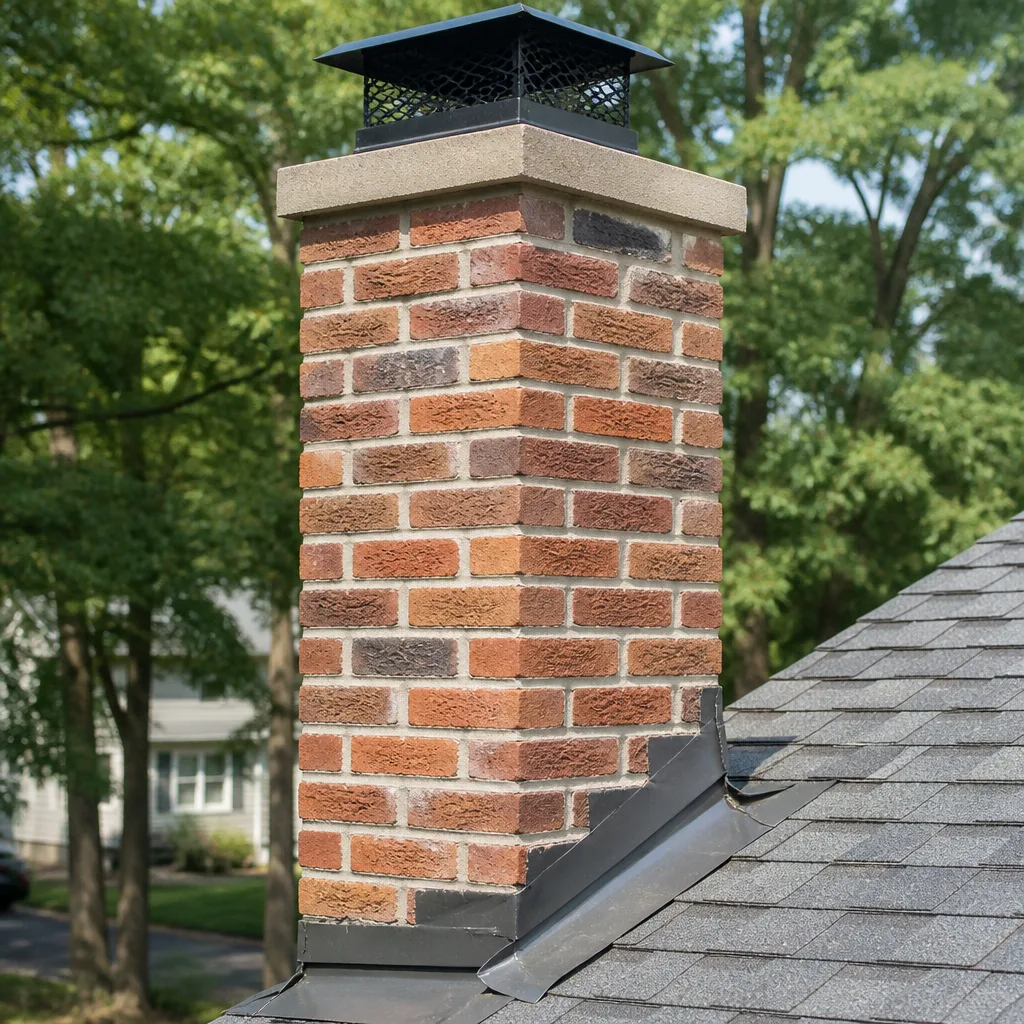 Masonry repair
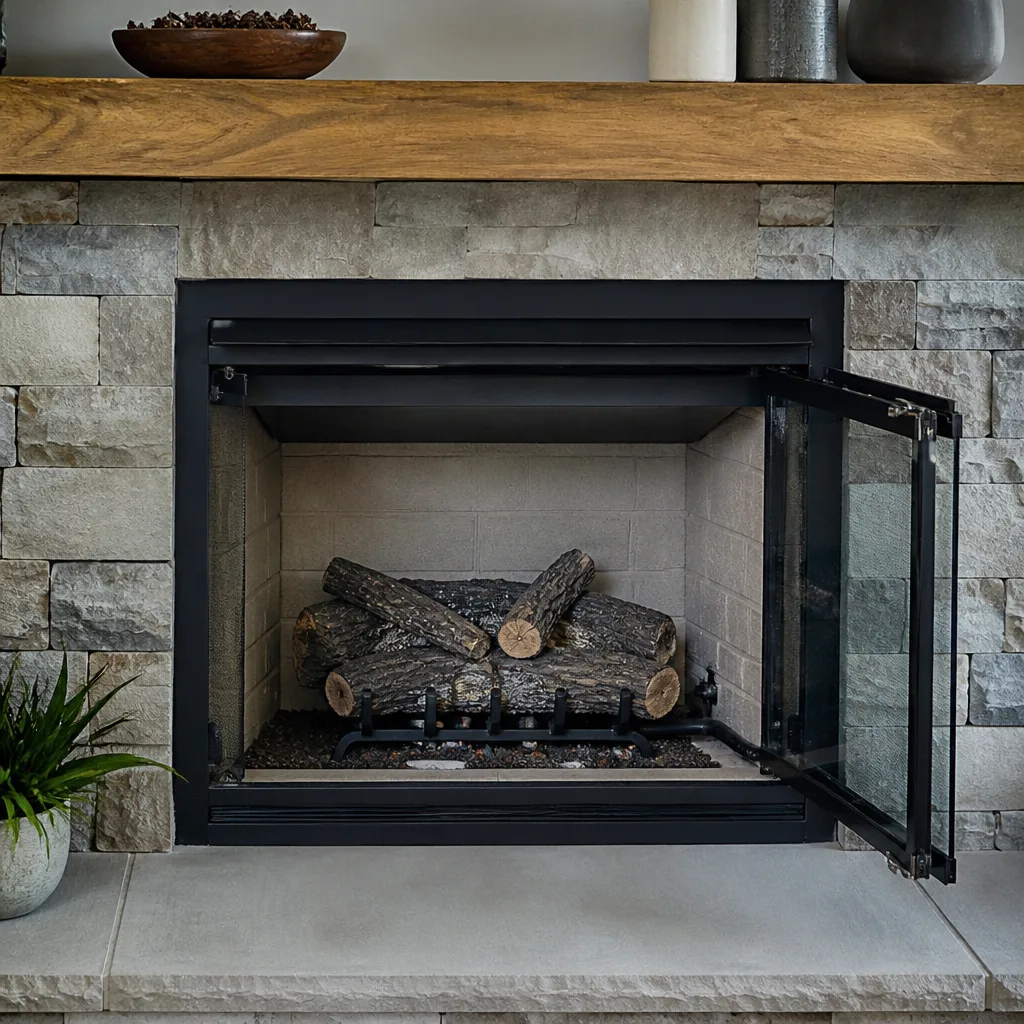 Gas fireplace service
Level 1 sweep and inspection to the NFPA 211 annual standard - flue, crown, cap, and flashing checked and photographed
Chimney sweep logs do not sweep chimneys. They loosen some creosote - which then falls where a brush and vacuum still have to collect it.
Choosing the Right Chimney Cleaning Brand: A Buyer’s Guide for La Habra
Two contractors can quote the identical chimney repair in La Habra and use materials with wildly different durability. One uses a flue sealer rated for continuous heat; the other grabs a cartridge off a hardware shelf meant for occasional fireplace use. Neither quote will tell you which. That gap is the whole reason this guide exists: “brand” in chimney work is less about who swings the brush and more about which repair and protection products actually go into your flue, crown, and cap. Get that part right and the repair holds. Get it wrong and you’ll be paying for the same job again sooner than you’d like. Here’s how to ask the right questions before anyone starts.
Quick Answer
The right chimney brand choice comes down to the repair and protection materials, not the cleaning crew. Look for contractors who name their products openly and use industry-grade lines such as HeatShield for flue resurfacing, DuraFlex for flexible relining, and Famco or Copperfield for caps, and who can explain why each product fits your chimney. In La Habra, where mild winters and strong summer UV put steady stress on crowns and caps, the material choice is what separates a repair that lasts from a patch that fails.
Styles & brands we work with
- Sweep & inspection
- Caps & crowns
- Flue relining
- Masonry repair
- Gas fireplace service
Table of Contents
- Why Brand Choice Matters More Than the Sweep Itself
- The Four Product Categories Where Brand Selection Changes the Outcome
- Intermittent vs. Continuous Heat: Why the Wrong Sealant Fails in Two Seasons
- Chimney Cap Materials Compared: Galvanized, Stainless, and Copper
- How to Ask a Contractor Which Products They Use (And Verify the Answer)
- What “We Use Quality Materials” Actually Means vs. Empty Assurance
- A Step-by-Step Checklist Before You Book Any Chimney Company
Why Brand Choice Matters More Than the Sweep Itself
Sweeping a flue is a mechanical task. Done properly, it’s the same work regardless of who does it: brush, rods, vacuum, and a look up the flue with a camera. Where chimney companies genuinely differ is in what they put into your chimney when something needs repair. That’s the “brand” question worth asking.
A chimney is a venting system, not just a fireplace feature. It moves hot combustion gases and moisture out of your house every time you burn, and the materials inside it have to tolerate that cycle repeatedly. Industry-grade products are formulated and tested to do that under real conditions. Generic substitutes often aren’t. The difference doesn’t show up on day one. It shows up after a couple of heating seasons when a sealant cracks, a crown coating chalks off, or a cap rusts through and lets water in.
In La Habra, that stress is steady rather than dramatic. Winters are mild, so chimneys don’t face deep cold, but the dry summer sun is relentless on anything exposed at the top of the structure. Crowns and caps take UV most of the year. A product that isn’t rated for that exposure ages faster here than its packaging suggests.
We work with professional-grade lines specifically because repairs that use recognized materials hold up better: HeatShield for flue resurfacing, DuraFlex for flexible relining, and Famco or Copperfield for caps and related hardware. That’s not a sales pitch. It’s the practical reason we can tell a homeowner a repair should last and mean it. When we identify a problem during a chimney sweep, the same company handles the fix.
The Four Product Categories Where Brand Selection Changes the Outcome
Brand selection matters in four specific places on a chimney. Ask about each one and you’ll know more about a contractor’s standards than any review page will tell you.
1. Flue Sealers and Resurfacers
When a flue liner is cracked or deteriorating but still structurally sound, a resurfacing product like HeatShield can restore it without demolition. HeatShield is a patented ceramic-based resurfacing system recognized within the chimney industry, and applying it correctly takes training and specific equipment. Not every chimney company owns that capability. If a contractor can’t name it, they’re likely pricing a full reline whether you need one or not.
2. Relining Systems
When a flue needs a new liner, brand matters for how it handles your chimney’s shape. DuraFlex flexible liner systems allow proper relining of chimneys with bends or offsets that rigid liner products can’t navigate. A chimney with an offset in La Habra’s older housing stock isn’t unusual. If the contractor only works in rigid stainless, your options narrow.
3. Mortar and Crown Compounds
Crown repair and mortar repointing depend on compound quality. Industry-grade mortar mixes are formulated to match chimney masonry and flex slightly with temperature changes. Generic mortar that’s too hard can crack the brick it’s bonded to. Ask what compound a contractor uses for crown work and why.
4. Chimney Caps
A cap keeps out rain, animals, and debris, and it protects the flue opening. Famco and Copperfield both make industry-recognized caps in galvanized, stainless, and copper. The material you choose determines lifespan, which we cover in its own section below.
Every one of these categories connects to the full lifecycle of a chimney. We handle chimney repair across all four, so the inspection that finds a problem doesn’t get handed off to another contractor mid-project.
Intermittent vs. Continuous Heat: Why the Wrong Sealant Fails in Two Seasons
Chimney sealants fall into two broad ratings: intermittent heat exposure and continuous heat exposure. Picking the wrong one is one of the most common reasons a flue repair fails early.
Intermittent-rated sealants are meant for areas that see heat now and then. Continuous-rated products are formulated for the flue itself, where hot gases pass every time you burn. A flue sealer rated only for intermittent exposure will hold at first. Then, over a couple of heating seasons, the thermal cycling does its work. The sealant loses flexibility, hairline cracks open, and moisture or gas finds the gap.
A wood-burning fireplace in La Habra might only run a few dozen evenings a year, and that’s exactly the trap. The gaps between fires let the material cool and contract, then heat and expand again. A product that’s not formulated for that full cycle fails faster than it would in a constantly warm flue. The safest question to ask isn’t “Is this a good sealant?” It’s “What temperature rating is this sealant, and is it rated for the flue interior or just surrounding masonry?”
A product built for the flue interior, correctly applied, usually lasts for years. A substitute evaluated only on price tends to show its limits inside two heating seasons. That’s the 400% durability gap at the heart of this guide.
Chimney Cap Materials Compared: Galvanized, Stainless, and Copper
Chimney caps come in three common materials, and their realistic lifespans differ substantially. Here’s the comparison that matters when you’re buying one in La Habra.
- Galvanized steel: The most economical option. It’s coated to resist rust, but that coating wears down under prolonged sun and moisture. In La Habra’s dry UV-heavy climate, expect galvanized caps to be the shortest-lived of the three.
- Stainless steel: A step up in corrosion resistance and typically the longest-lasting practical choice for most homes. It handles sun, rain, and heat well and holds up over many years with minimal attention.
- Copper: The premium choice, and the most visually distinctive as it develops its patina. Copper is naturally corrosion-resistant and often outlasts the chimney itself. It costs more upfront and is worth it if you want a cap you won’t think about again.
Moisture is the leading cause of long-term chimney deterioration, and the cap and crown are where moisture enters. A cheap cap that rusts through in a few years defeats the purpose. That’s why we treat Cap & Crown as a dedicated service rather than an add-on. The right cap material on a properly sealed crown does more to protect a chimney than any other single item at the top of the structure.
Ask your contractor which brand and gauge they’re installing. A named product from an established maker like Famco or Copperfield tells you something. “A stainless cap” with no further detail doesn’t.
How to Ask a Contractor Which Products They Use (And Verify the Answer)
Most homeowners never ask which products go into a chimney repair. The ones who do get better outcomes, because contractors who know their materials can explain them. Here’s how to ask in a way that gets a real answer.
- Ask by category. Instead of “What materials do you use?”, ask “What sealant would you use on my flue, what’s its heat rating, and what brand is it?” You’ll get specifics or you’ll get a vague answer. Both tell you something.
- Ask for the product name in writing. A contractor confident in their materials will name them on the estimate or in a follow-up email. That written record matters if a repair needs revisiting.
- Cross-reference against recognized standards. Industry bodies like the Chimney Safety Institute of America (CSIA) and the National Fire Protection Association (NFPA) set recognized manufacturing and installation standards. A product that’s compatible with those standards is a product with a track record.
- Ask whether they’re trained to apply it. HeatShield, for example, requires specific training and equipment. Any contractor can buy a product; not every contractor can apply it correctly.
- Watch for hand-waving. “The best materials available” or “we use high-quality products” tells you nothing. A contractor who can’t name their products probably hasn’t invested in them.
We’re authorized to work with DuraFlex, HeatShield, Gelco, Olympia Chimney, Famco, and Copperfield, so naming products is easy for us. If a contractor hesitates when you ask, that hesitation is your answer. A free estimate is the right time to ask. Call (855) 337-1997 to book one.
What “We Use Quality Materials” Actually Means vs. Empty Assurance
“We use quality materials” is one of the most common phrases in chimney repair quotes and one of the least informative. It can describe a product with a documented performance record, or it can describe a generic cartridge from a hardware shelf. The phrase doesn’t tell you which.
Here’s the difference in practice, and how to spot it.
- Vague version: “We use high-quality sealants and materials.” No product names, no ratings, no source. When the repair fails early, there’s no way to trace what went into your chimney.
- Verifiable version: “For your flue, we’ll use HeatShield resurfacer. For the crown, this compound. For the cap, a stainless Famco unit.” Named, specific, and traceable to a manufacturer with published performance standards.
The guarantee at the end matters too. A contractor who names their materials usually stands behind the work. A contractor who doesn’t can’t, because there’s nothing specific to stand behind. “Built to last, not patched to pass” isn’t a slogan when it’s backed by identifiable products. It’s a description of how the job is approached.
When a repair is needed, we identify it and fix it. You get one company accountable for the sweep, the inspection, and the repair. That’s the practical version of “quality materials” and it’s the version worth paying for.
A Step-by-Step Checklist Before You Book Any Chimney Company
Booking a chimney company doesn’t need to be complicated, but a short, deliberate process will separate the specialists from the generalists. Here’s the checklist in La Habra and elsewhere.
- Confirm the scope of work. A proper visit includes sweep, inspection, and a written record of findings. Ask what the inspection covers.
- Ask for product names by category. Flue sealer, relining system, mortar/crown compound, and cap. Each should have a specific answer.
- Ask whether the same company handles the repair. Single-company accountability beats being handed off to a separate crew.
- Request a written estimate with products listed. If the products aren’t on the estimate, ask them to add them.
- Check the inspection approach. The best inspections include a camera view of the flue and photos you can see for yourself. Don’t accept “you need a new liner” without seeing the evidence.
- Ask about the cap and crown. If a company only sweeps and doesn’t address the top of the structure, moisture protection isn’t their specialty.
- Ask what can wait. A contractor should tell you when work can safely be deferred. If everything is urgent, that’s a red flag.
We’ve found that homeowners who run through this list end up with clearer estimates and fewer surprises. The right questions make the fireplace repair conversation straightforward. Ask now and you’ll only ask once.
Common Mistakes to Avoid
- Choosing a sweeper as a repair contractor. Many companies sweep and stop there. If the inspection finds a flue crack, they refer you out. Ask upfront whether the same company will handle a repair.
- Accepting “quality materials” without a product name. It’s a phrase, not a specification. Ask for brands and heat ratings in writing.
- Choosing a flue sealant on price alone. Cheaper products with an intermittent-only heat rating fail early in an actively used fireplace.
- Installing a galvanized cap without a plan. It’s the shortest-lived material choice and rusts fastest where sun and moisture meet. Stainless or copper typically lasts longer.
- Ignoring the crown. Cracks in a crown let water seep into brick and mortar. Crown sealing is part of the moisture story, not an optional extra.
- Relining rigid-only. If a chimney has a bend or offset, a contractor without flexible liner capability may oversell demolition. Ask about DuraFlex.
- Skipping the camera view. Any recommendation you can’t see with your own eyes is one you can’t verify. Request the inspection photos.
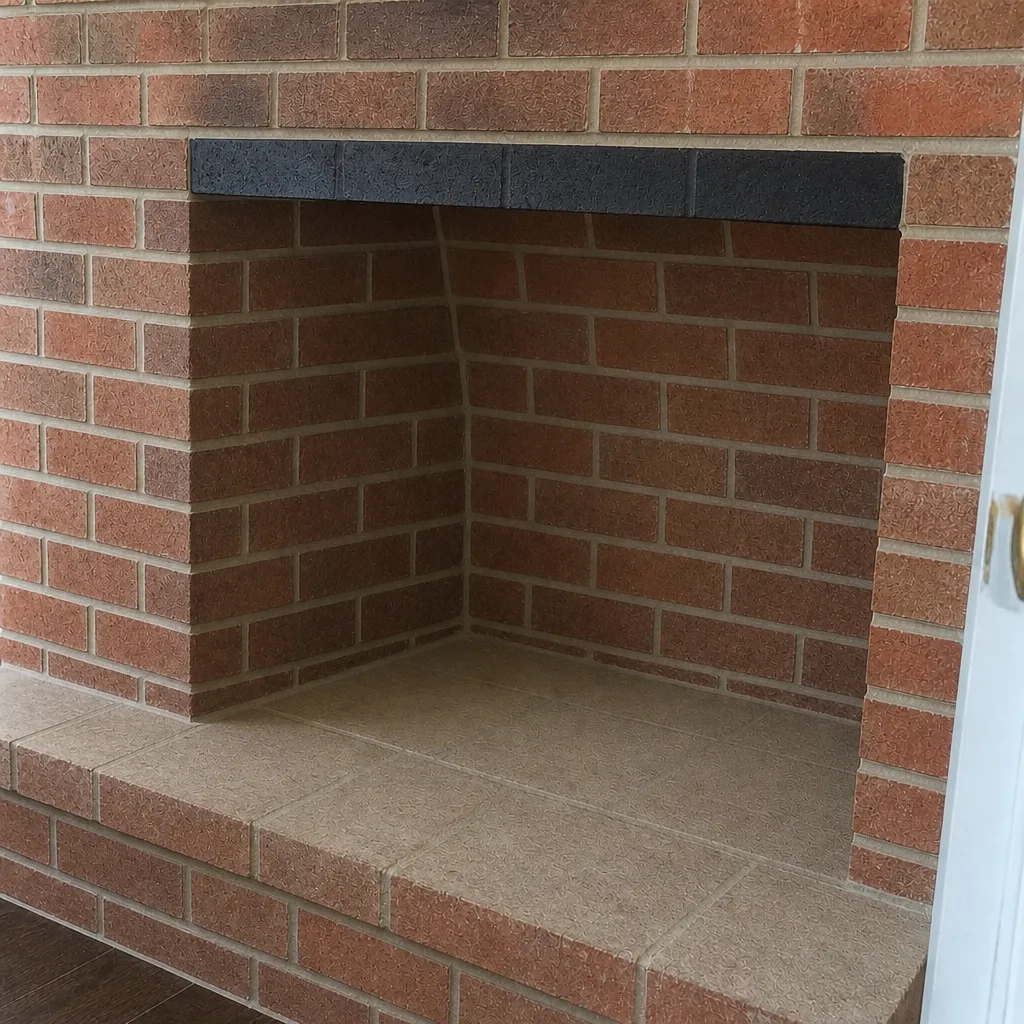
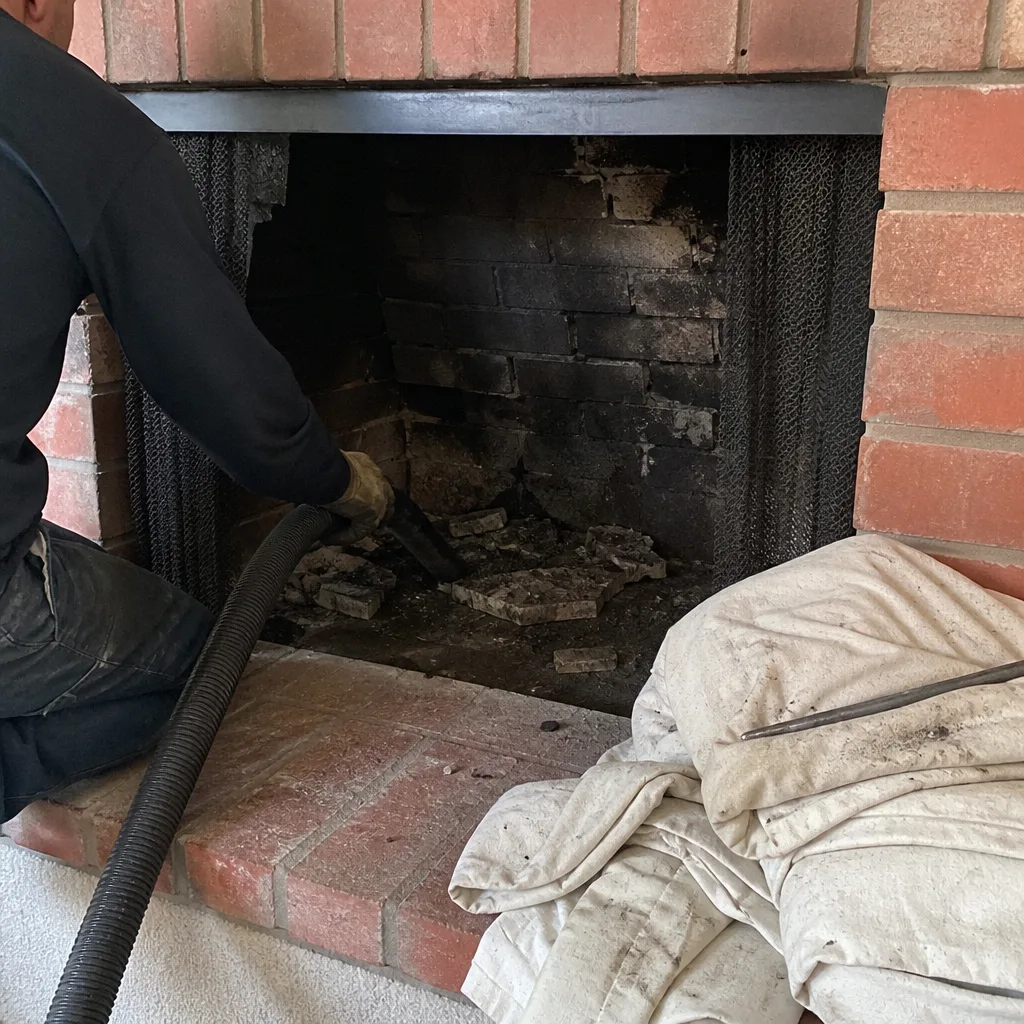
See the difference
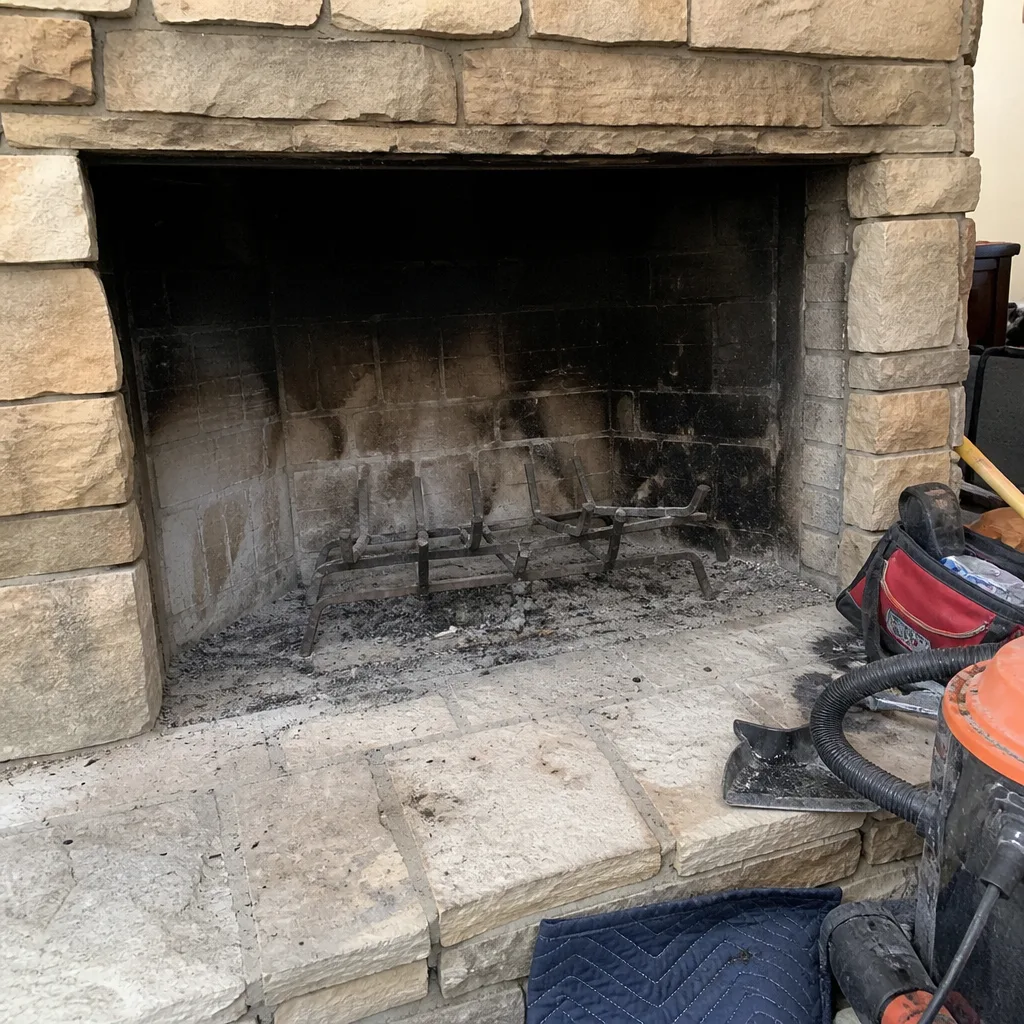 Before
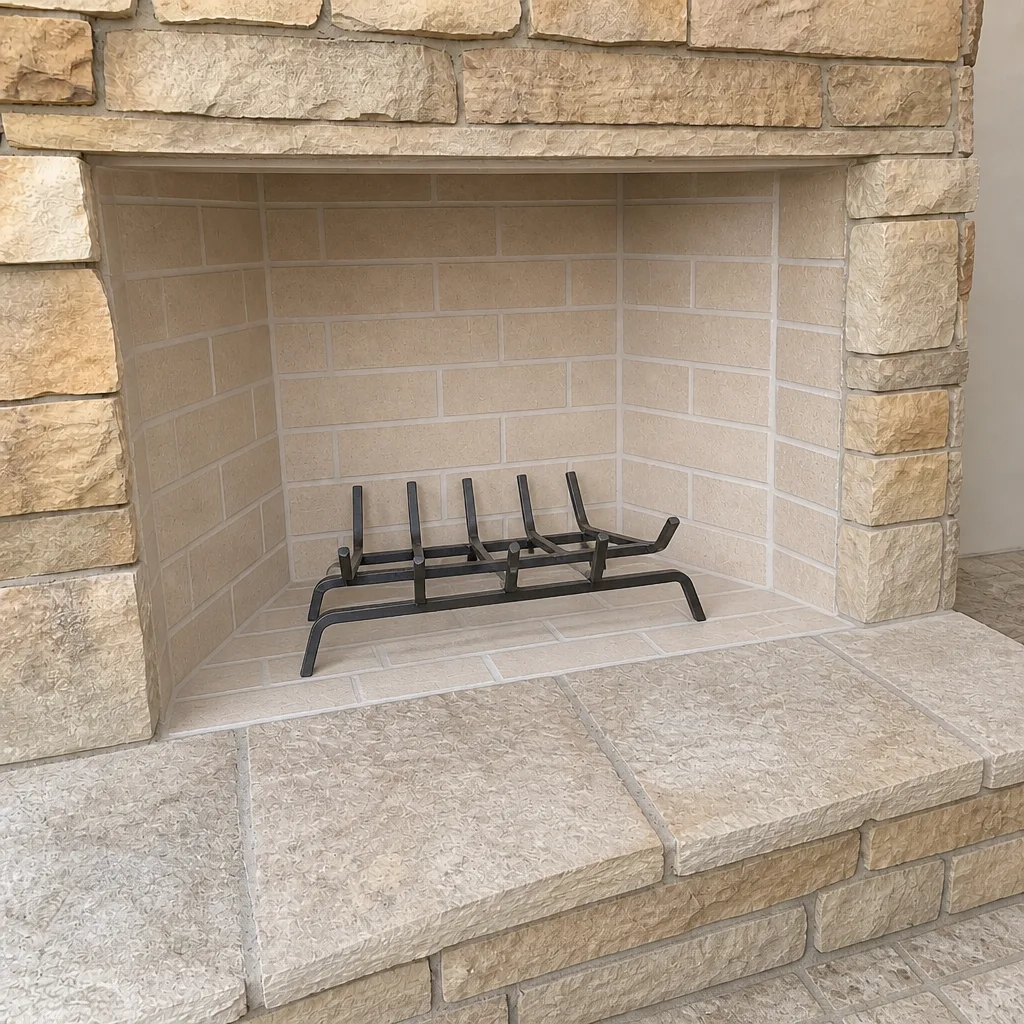 After
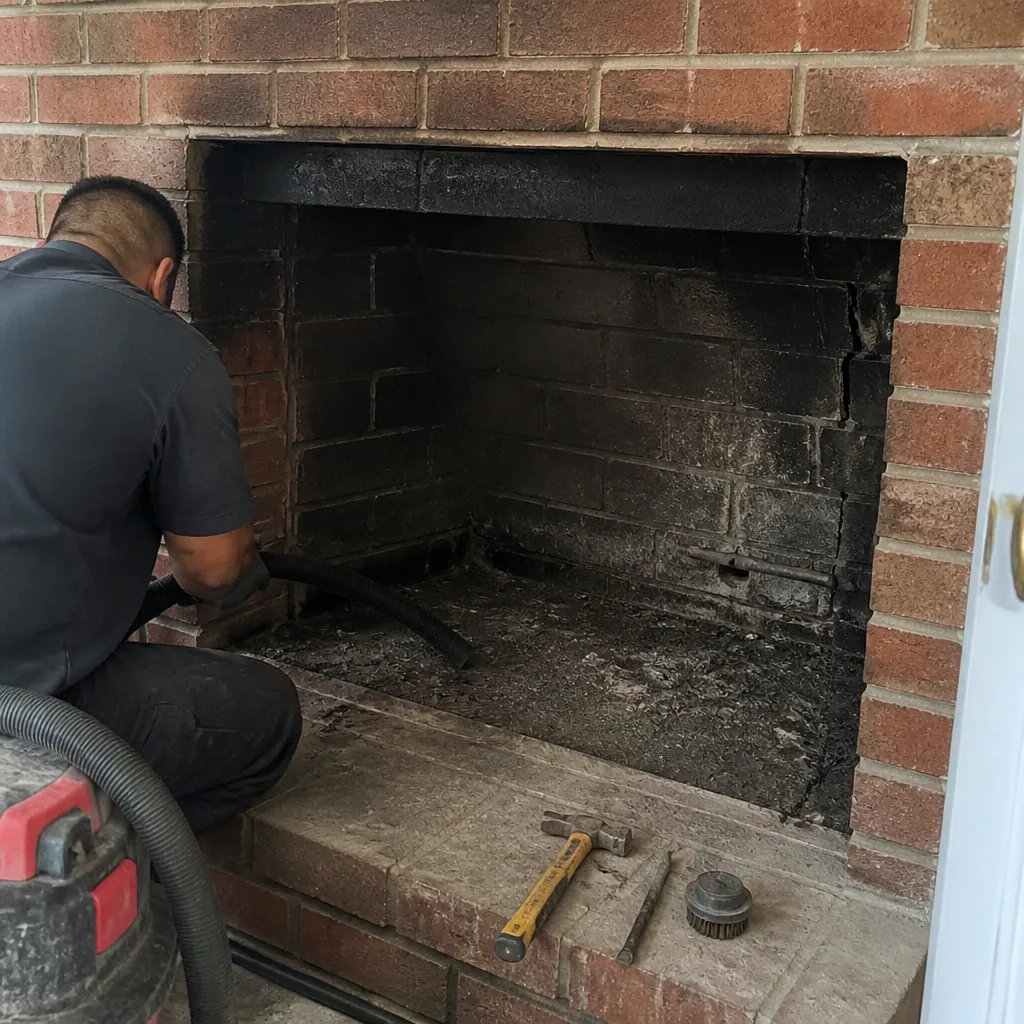 Before
 After
 Before
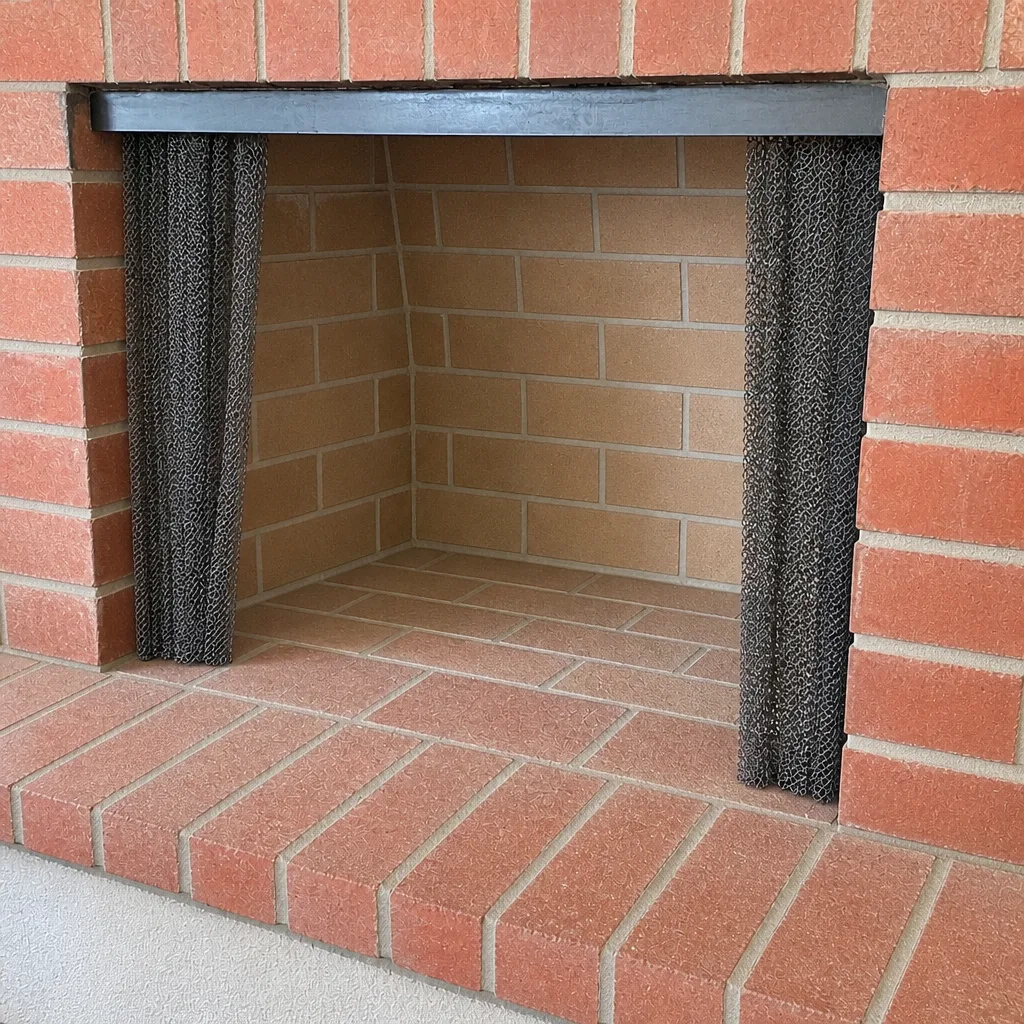 After
When to Call a Professional
Some chimney checks are fine to run yourself, like looking for a cracked crown from the ground. But call a professional for anything involving the flue interior, the liner, or the firebox. High-tension components, hot flue surfaces, and roof height are not places for a homeowner to experiment. Scenarios where you should call right away include visible flue damage, smoke backing into the room, water stains around the chimney, animal intrusion, or gas-appliance venting concerns. If you’re preparing to sell a home and need documented inspection findings, that’s a professional job too. La Habra Chimney Sweep Pros offers free estimates in La Habra. Call (855) 337-1997. We answer 24/7. Fast dispatch from 7am to 7pm, Sunday through Friday.
Frequently Asked Questions
Ask about the four product categories that matter most: flue sealers and resurfacers (HeatShield is the recognized resurfacing system), relining materials (DuraFlex for flexible liners), mortar and crown compounds, and chimney caps (Famco and Copperfield both make industry-grade caps). A contractor should be able to name their products in each category. If they can’t, the “brand” question just answered itself. Call (855) 337-1997 for a free estimate and we’ll walk you through what a specific repair would use.
Cross-reference the products against standards set by the Chimney Safety Institute of America (CSIA) and the National Fire Protection Association (NFPA). Both bodies publish recognized manufacturing and installation standards, and a product compatible with them has a documented performance record. Not every contractor knows this and that’s the point: the contractor who can name their products and point to standards usually works with better materials.
No, and this is where failures happen. Standard fireplace caulk is usually rated for intermittent heat exposure around a firebox opening. A flue sealer has to be rated for continuous heat because hot gases pass through it every time you burn. Using a caulk rated for intermittent exposure inside a flue can lead to cracks within a couple of seasons. Ask which rating a product carries before it’s applied.
Galvanized steel is the most economical and has the shortest realistic lifespan. Stainless steel is a step up in corrosion resistance and typically the longest-lasting practical choice. Copper is the premium option with natural corrosion resistance and a distinctive patina. In La Habra’s sun-heavy climate, stainless and copper routinely outlast galvanized caps. Call (855) 337-1997 for a free estimate on a cap and crown.
Often, yes, and it’s worth asking. HeatShield is a patented ceramic-based resurfacing system that can restore a cracked or deteriorated flue liner without full demolition. That’s a big difference from a full reline, both in scope and in what it entails. The key is whether your liner is structurally sound enough for resurfacing. A proper inspection with a camera view will tell you, and we’ll show you the evidence. Call (855) 337-1997 to schedule one.
La Habra winters are mild, so a chimney here doesn’t face deep cold. The main environmental stress is steady sun exposure on caps and crowns through most of the year. That UV exposure ages cheaper coatings faster than homeowners expect, and the gaps between fires in a mild climate mean more thermal cycling on any sealant inside the flue. Industry-grade materials handle both stresses better than generic substitutes. Call (855) 337-1997 for a free estimate in La Habra.
The Bottom Line
Choosing the right chimney cleaning brand in La Habra isn’t really about the brush. It’s about the products that go into your chimney when a repair is needed: flue sealer ratings, flexible relining capability, crown compound quality, and cap material. Ask for product names by category. Cross-reference them against CSIA and NFPA standards. Request a camera view of any finding. If a contractor can’t name their products, that’s the answer you needed. If they can, you’ve found someone who takes the materials as seriously as the sweep. For a full-scope visit, see our work at La Habra Chimney Sweep Pros.
When you’re ready to book, call (855) 337-1997. We answer 24/7. Fast dispatch from 7am to 7pm, Sunday through Friday. Estimates are free, and the price is set per job by the written estimate.
Written by the team at La Habra Chimney Sweep Pros.